

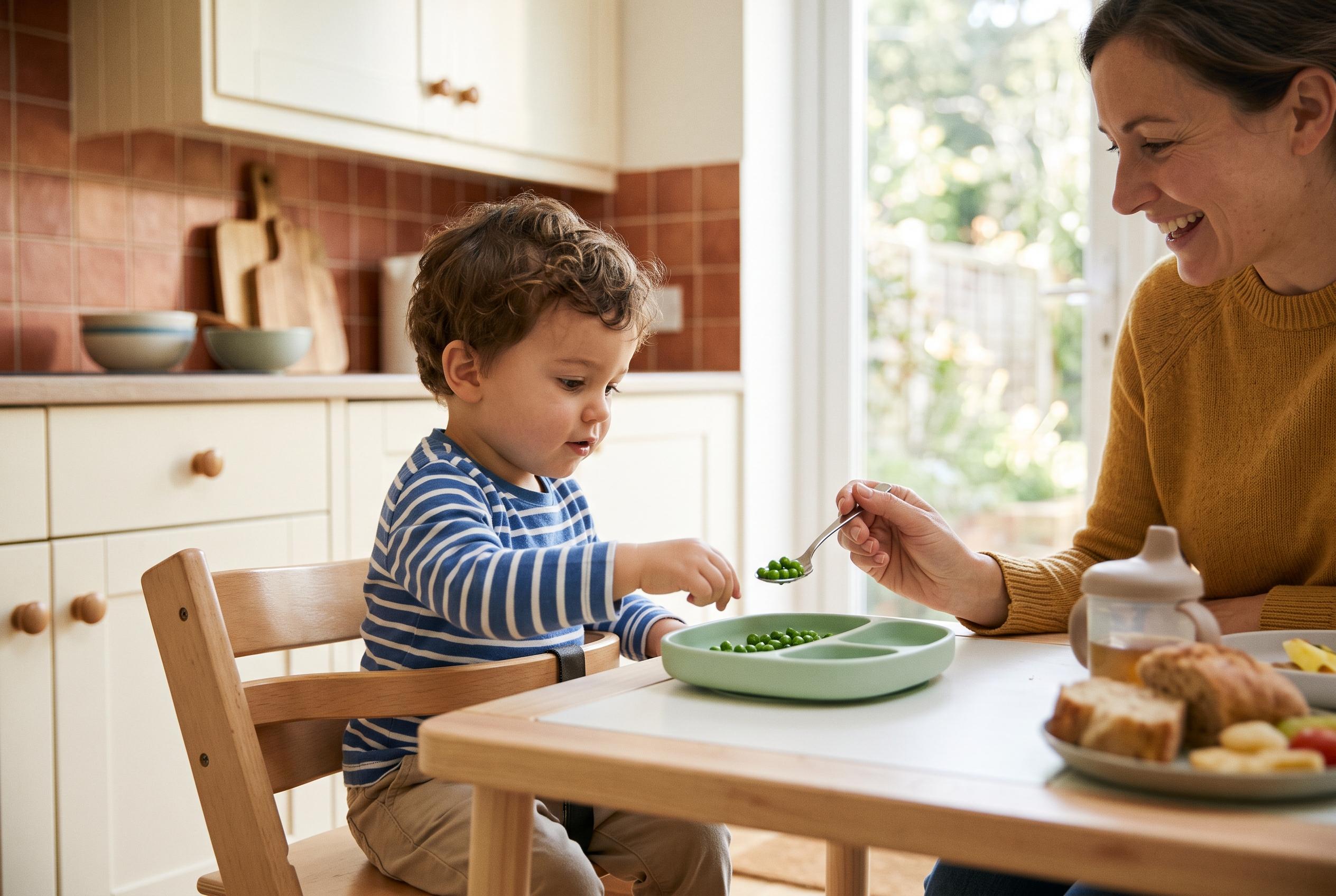

Small portions, familiar pairings and gradual exposure can help toddlers approach new foods without turning mealtimes into a battle, specialists say.
Toddlers often act as though a food they ate happily last month has become unrecognisable overnight. For parents, that can be frustrating, but specialists say it is a normal part of early development. The aim is not to win a battle over one meal, but to help a child feel safe enough to approach new tastes and textures gradually.
According to guidance from the Centres for Disease Control and Prevention, children may need repeated exposure before a food becomes acceptable, and they are more likely to try something new when it is offered alongside foods they already know and like. The CDC also suggests making mealtimes playful and low-pressure, rather than turning them into a test of will. Enfamil makes a similar point, noting that many toddlers need to see a food many times before they will even taste it.
Experts consistently recommend keeping portions small. A tiny serving, such as a single pea, slice of fruit or spoonful of vegetables, can feel far less daunting than a full helping. Pairing the unfamiliar with a familiar favourite also helps. That might mean roasted sweet potato beside chicken nuggets, or a new vegetable served with a dip a child already enjoys. The logic is simple: when the new food feels less threatening, a toddler is more likely to explore it.
Another useful tactic is what feeding specialists call food chaining, or moving in small steps from something a child already accepts to something slightly different. A child who only eats one brand of nugget, for example, may be ready to try a different brand before moving on to homemade strips and then plain chicken. Optivance, which offers feeding advice for parents, says this kind of bridge can make change feel manageable because only one detail shifts at a time.
Parents are also encouraged to remember that progress does not always look like a bite. Touching, smelling, licking and even moving food around the plate can all count as important exposure. The CDC says children may be more willing to engage when adults show they enjoy the same foods, while HealthyChildren.org advises against bribes and clean-plate demands, which can make mealtimes more stressful and less effective. Keeping the table calm, predictable and matter-of-fact is usually more helpful than coaxing or bargaining.
That said, persistent refusal is not always just a phase. Parents should speak to a paediatrician if a child is losing weight, growing poorly, gagging or vomiting with certain textures, refusing entire food groups or reacting with intense distress when unfamiliar foods appear. In some cases, families may be referred to a feeding therapist or paediatric dietitian. The long-term goal, specialists say, is not a perfect plate tonight, but a child who can eventually eat a wider range of foods without fear.
Disclaimer: This content is for informational purposes only and is not intended to be a substitute for professional medical judgment, advice, diagnosis, or treatment.



