

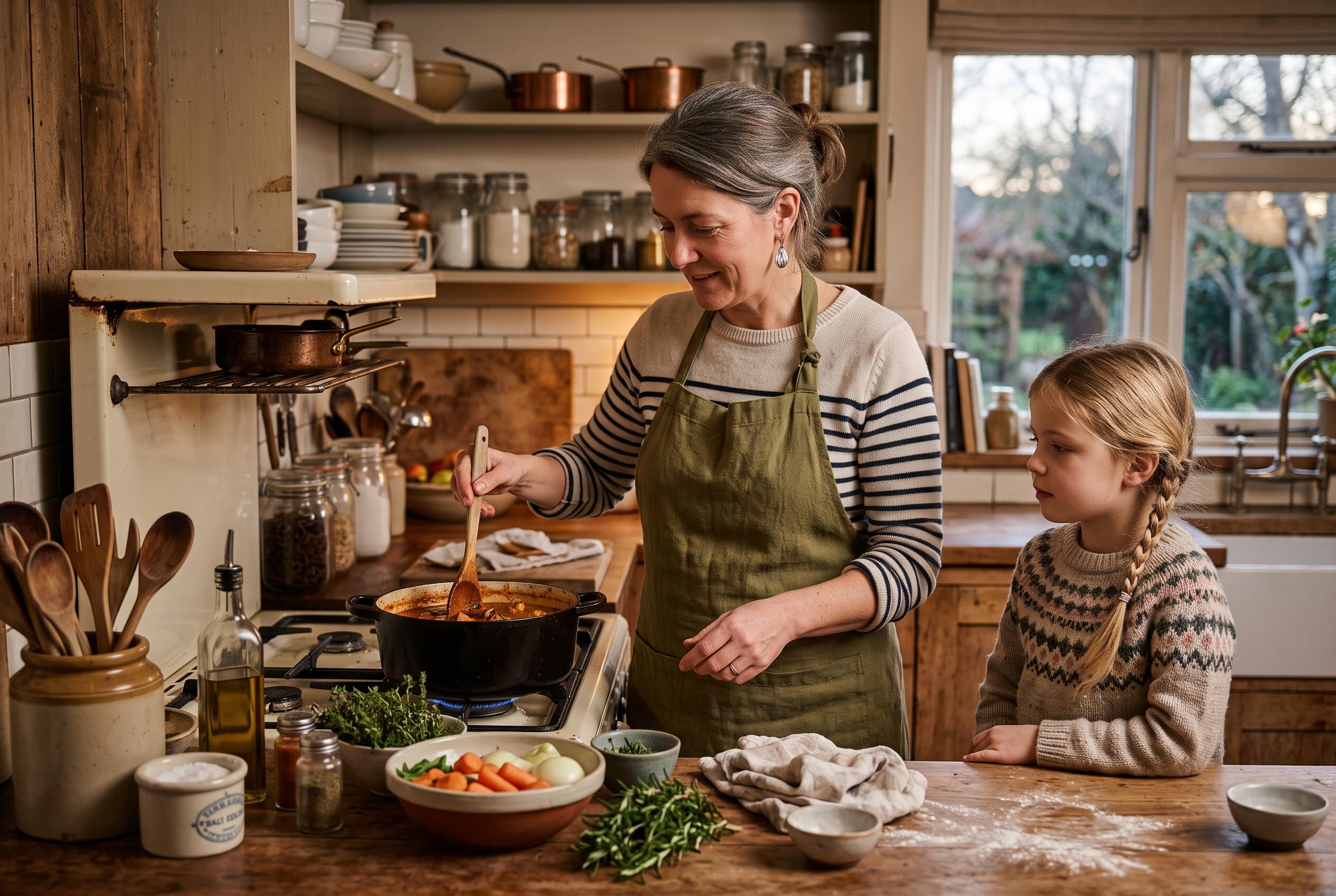

Experts say recipe makeovers should serve a clear health purpose, while treasured dishes may be better preserved as occasional treats.
A home cook’s instinct to tweak a familiar dish can cause friction at the dinner table, especially when a recipe carries family memories. That was the case with biscuits and sausage gravy, a comfort food that can easily become thicker, richer or saltier depending on who is cooking. Julie Garden-Robinson, a North Dakota State University Extension food and nutrition specialist, uses that kind of kitchen disagreement to make a broader point: recipes are not sacred, and they do not all need the same level of adjustment.
Her advice is to change a recipe only with a clear purpose. If someone is managing calories, fat, sugar or sodium for health reasons, modest alterations can help support long-term wellbeing. But Garden-Robinson says the case for alteration is much weaker when a food is eaten only occasionally or in small amounts, particularly if the recipe comes from a relative. In those cases, preserving flavour and memory may matter more than cutting a few grams of fat or sugar.
Nutrition guidance from the Australian Government’s Eat for Health programme, Mayo Clinic, Colorado State University and other health groups largely echoes that approach. They recommend trimming saturated fat, using more vegetables and fibre, and replacing some ingredients with lighter alternatives. Practical swaps include using fruit purées in place of some butter, choosing lower-fat dairy, and relying on herbs and spices rather than salt for flavour. For baked goods such as muffins and quick breads, experts often say a small reduction in fat or sugar is usually less likely to damage texture than it would be in a delicate cake or yeast bread.
Garden-Robinson also points to simple cooking habits that can improve a dish without changing it beyond recognition. Chilling soup and removing the hardened fat, draining browned meat, choosing fresh or frozen vegetables over canned, and cutting back on sugar by about a quarter are all relatively low-risk adjustments. For a dish such as fried green tomatoes, though, she suggests treating it as an occasional indulgence and being careful with the oil temperature, since frying makes nutrition harder to measure precisely. The broader lesson is straightforward: modify when health calls for it, leave a cherished dish alone when tradition matters more, and make the change deliberately rather than out of habit.
Disclaimer: This content is for informational purposes only and is not intended to be a substitute for professional medical judgment, advice, diagnosis, or treatment.



