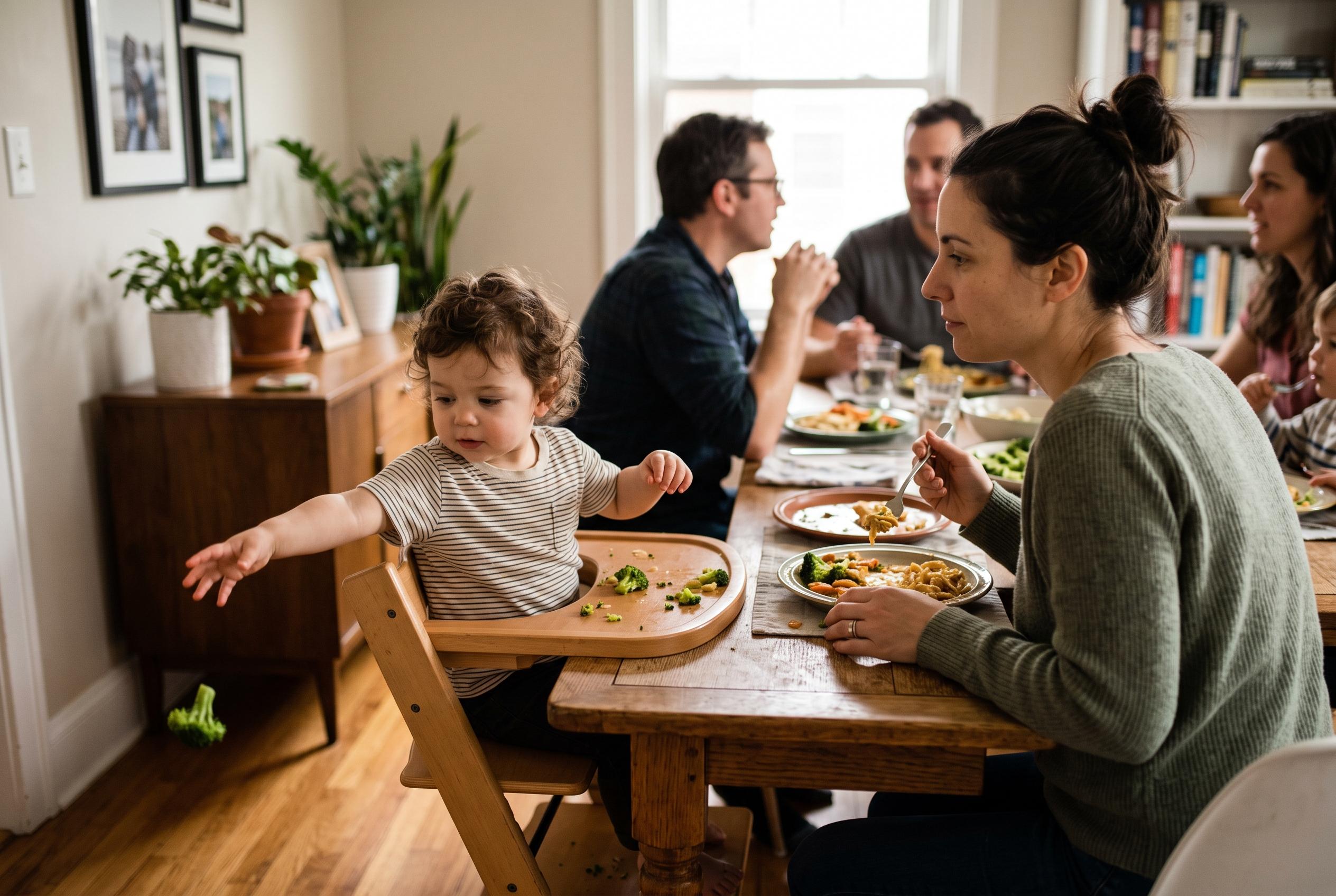

Food throwing among toddlers is a common developmental phase driven by curiosity, communication attempts, and sensory exploration. Experts suggest calm, consistent responses to help parents navigate this behaviour as children learn boundaries and communication skills.
Toddlers who fling peas, pasta or bits of toast across the table are usually not acting out of malice. More often, they are doing what young children do best: experimenting, testing limits and learning how the world works. Child development guides from Montessori Parent Guide, The Bump, Little Lunches and Solid Starts all describe food throwing as a common phase that tends to appear as babies become more mobile, more curious and less reliant on words.
One reason it happens is simple discovery. Dropping or throwing food lets toddlers see gravity, hear a sound and watch a parent react, turning dinner into an informal lesson in cause and effect. It can also be a form of sensory play, especially for children who are drawn to texture, sound and movement. At the same time, throwing can be a way to practise emerging motor skills and to check where boundaries begin, which is why experts say it is usually more about development than defiance.
Limited speech is another factor. When a child cannot yet say “I am finished” or “I do not want this”, food may become the easiest way to communicate. That is why many parenting resources recommend teaching a simple replacement, such as a sign or phrase for “all done”, and pairing it with a clear routine. Offering a “no thank you” spot for rejected food can also help toddlers feel some control without turning mealtimes into a mess.
How adults respond matters. The guidance across the related articles is consistent: stay calm, keep expectations short and clear, and avoid turning the throw into a dramatic moment. If a child is getting attention from the reaction, even negative attention can reinforce the behaviour. A neutral response, followed by a calm reminder that food stays on the table, is usually more effective than scolding. Some experts also suggest setting up meals for success with small portions, a stable high chair and a limited mealtime window so boredom does not creep in.
The behaviour is usually temporary. The Bump and Solid Starts both note that food throwing often eases as toddlers gain language, self-control and a better sense of routine. If it lingers well past the preschool years, or comes with other concerns such as extreme selectivity or sensory difficulties, parents may want to mention it to a paediatrician. For most families, though, the phase fades as quickly as it arrived.
What feels like chaos at the table is often just another sign that a child is learning fast. Consistent boundaries, simple communication and a steady response from adults usually do more than punishment ever will. The spilled food is frustrating, but in most cases it is also temporary.
Disclaimer: This content is for informational purposes only and is not intended to be a substitute for professional medical judgment, advice, diagnosis, or treatment.