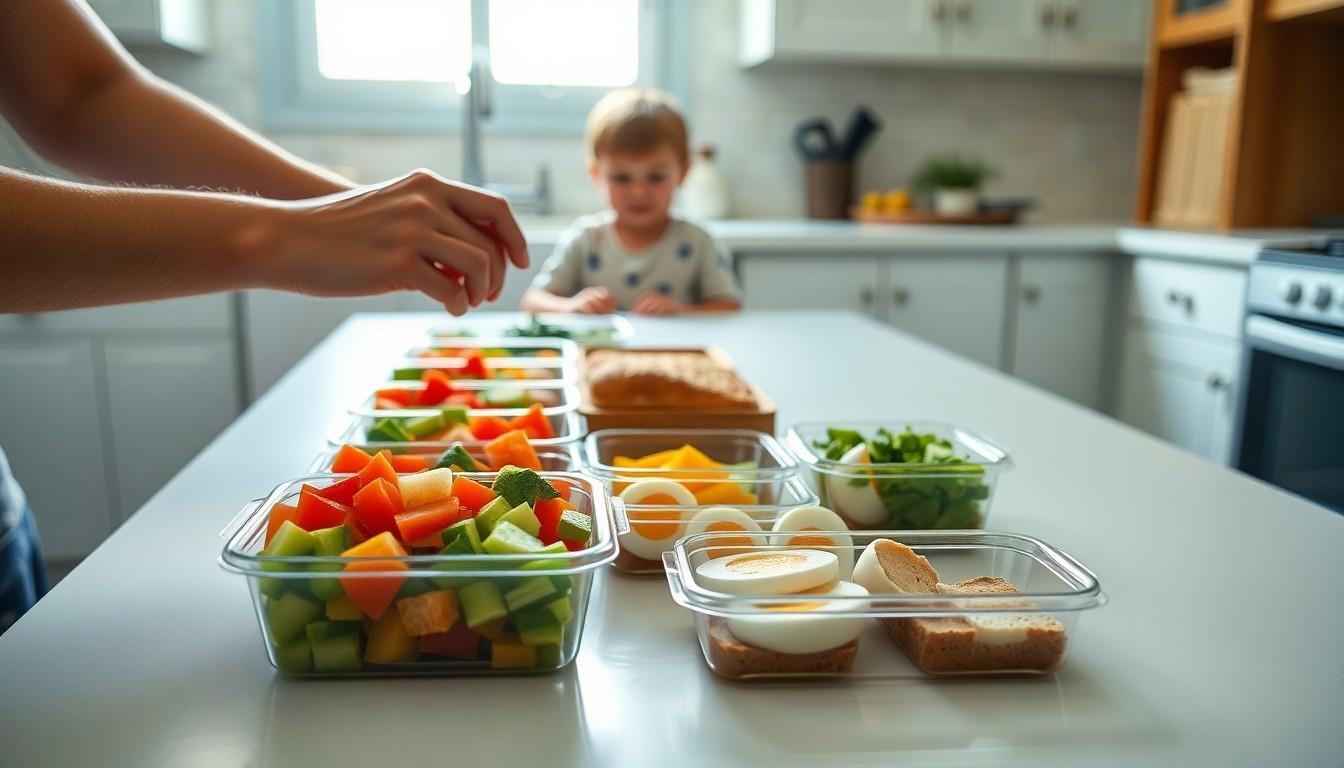

Family-friendly tips reveal how to prepare nutritious and diverse school lunches without breaking the bank, by reusing simple ingredients and planning ahead.
Packing school lunches on a tight budget can become one of the more repetitive tasks in family life, yet it also offers an easy way to cut costs without defaulting to processed convenience food. The article from Love Tabitha argues that the simplest approach is often the most effective: use what is already in the kitchen, lean on low-cost staples, and build meals around ingredients that can be reused in different ways through the week.
That idea is echoed by Hello Brigit, which highlights planning and simple ingredients as the basis for lunchbox meals children are likely to eat. GoodRx likewise points to sandwiches, wraps, salads and dinner leftovers as practical options that can keep lunches varied while still including fruit, vegetables, whole grains and protein. In other words, a budget lunch does not have to be a nutritionally thin one.
Many of the suggested meals rely on familiar, inexpensive building blocks. Bread, tortillas, rice, pasta, eggs, beans, yoghurt, cheese and canned tuna can all be stretched across several lunches, while leftovers such as roast chicken, taco meat or pasta can be repurposed into wraps, quesadillas or pasta salad. Childcare Path makes the same case for cooking from scratch, buying in bulk and reworking leftovers, noting that dishes such as egg salad, rice and beans, and pasta with butter and parmesan are all low-cost options that also save time.
The ideas themselves are deliberately practical rather than elaborate. DIY lunchboxes, peanut butter and jelly sandwiches, ham and cheese wraps, mini bagel pizzas, chicken salad sandwiches, tuna salad with crackers and bean-and-cheese burritos all appear as easy, child-friendly choices. Breakfast-style boxes, grilled cheese triangles packed warm, hummus snack boxes and thermos lunches such as soup or rice bowls widen the list further, while Elizabeth Rider’s lunch ideas and the YouTube recipe round-up similarly favour simple, repeatable meals that can be prepared without much fuss.
Fresh produce is another way to keep costs down, particularly if some of it comes from a garden. Cherry tomatoes, cucumber slices, snap peas, peppers, berries, apples and grapes can all bulk out a lunchbox cheaply, while fresh herbs can lift wraps and pasta salads. Less of a Mess adds that homemade smoothies and yoghurt can be cheaper than buying packaged snacks, and that swapping crisps for popcorn can reduce both spending and plastic waste.
The broader lesson is that school lunches become easier, and less expensive, when preparation is treated as a routine rather than a daily improvisation. Prepping fruit and vegetables in advance, freezing muffins or pancakes in batches, keeping lunch containers in one place and using bulk buys for staples can all shave minutes and money off the school morning scramble. As several of the guides suggest, the best lunchbox is often the one built from ordinary ingredients used well.
Disclaimer: This content is for informational purposes only and is not intended to be a substitute for professional medical judgment, advice, diagnosis, or treatment.