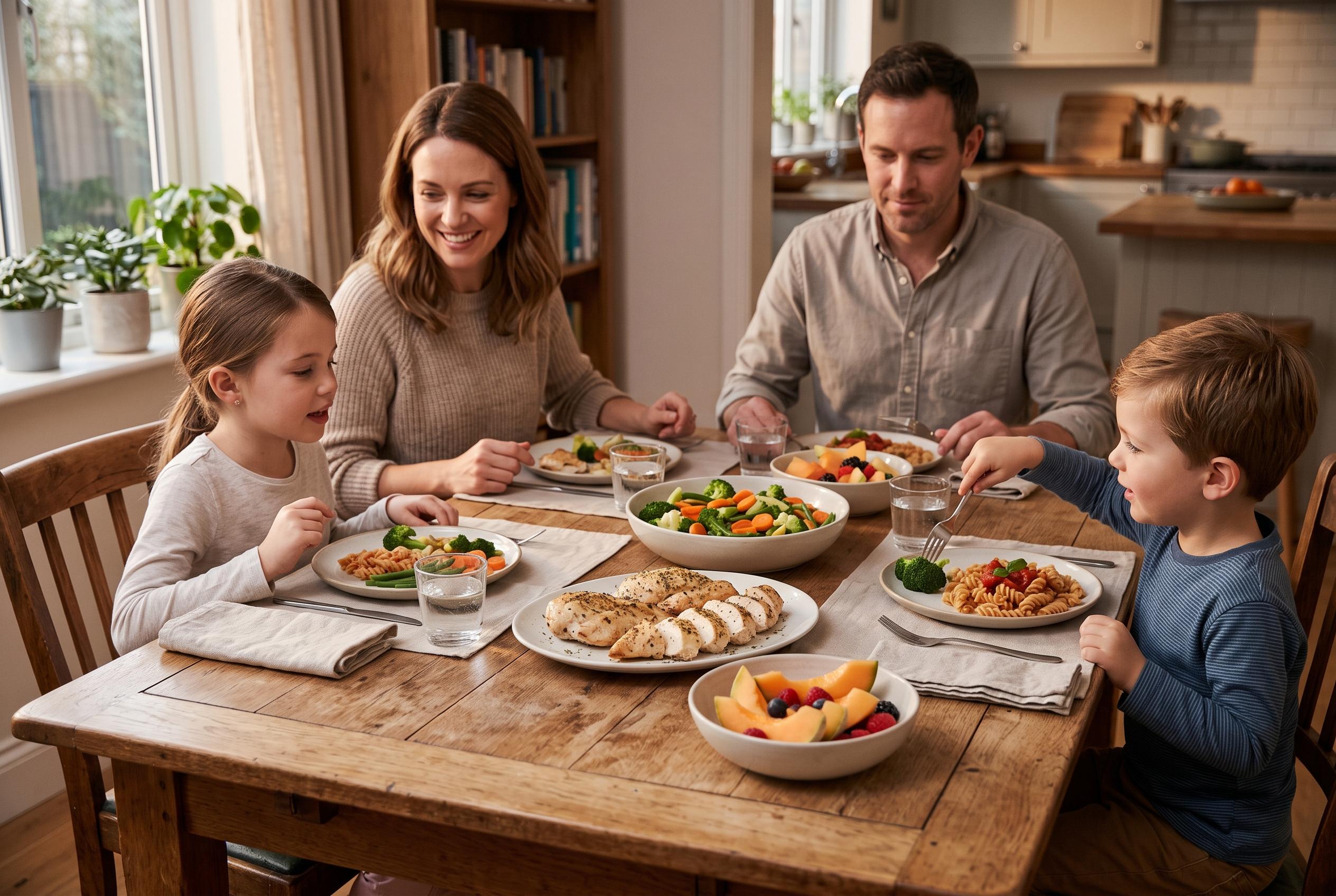

Expert advice suggests that making familiar and straightforward dishes appealing and consistent can help children develop better eating habits, emphasising balance, simplicity, and familiarity over complexity in family mealtimes.
Helping children eat well at home often comes down to making familiar foods more appealing rather than overcomplicating the menu. Nutrition specialists featured by Healthline say breakfasts built around whole grains can provide steadier energy through the morning, while the Cleveland Clinic recommends pairing carbohydrates with protein to help children stay full for longer. That makes simple dishes such as porridge with fruit, toast with nut butter or eggs on wholegrain bread practical options for busy families.
The same approach works at lunch and dinner, where balance matters more than novelty. A child-friendly meal does not need to be elaborate to be complete: protein, vegetables and a filling carbohydrate can sit comfortably on one plate. Recipes from Children’s Health Hub show how chicken soup, chicken stir-fry and lentil vegetable soup can be made mild, soft and easy to digest while still delivering vegetables, protein and warmth. MedlinePlus also highlights baked meatballs and fish or beef dishes as straightforward family meals that can fit into a varied weekly rota.
For children who graze between meals, the healthiest snacks are usually the ones that combine texture, fibre and natural sweetness. Fruit, yoghurt and small portions of nuts or dried fruit can help bridge the gap between meals without leaning on sugary packaged foods. The Cleveland Clinic says planning ahead and rotating options can keep breakfast and snack time from becoming repetitive, which is often what makes children more willing to eat them.
Drinks deserve the same attention. Water should remain the default, with homemade lemonade or fruit smoothies used more as occasional extras than everyday staples. Even then, the healthiest versions are those made with little or no added sugar and boosted with yoghurt, milk or leafy greens when appropriate. In practice, the goal is not perfect eating but consistency: regular meals, sensible portions and foods children recognise.
That is the thread running through most family-friendly nutrition advice. Children are more likely to eat well when meals are simple, predictable and attractive, and when parents keep offering a range of foods without turning the table into a battle. Recipes that combine whole grains, protein, vegetables and fruit can support growth and development while also making everyday eating feel manageable for the whole household.
Disclaimer: This content is for informational purposes only and is not intended to be a substitute for professional medical judgment, advice, diagnosis, or treatment.