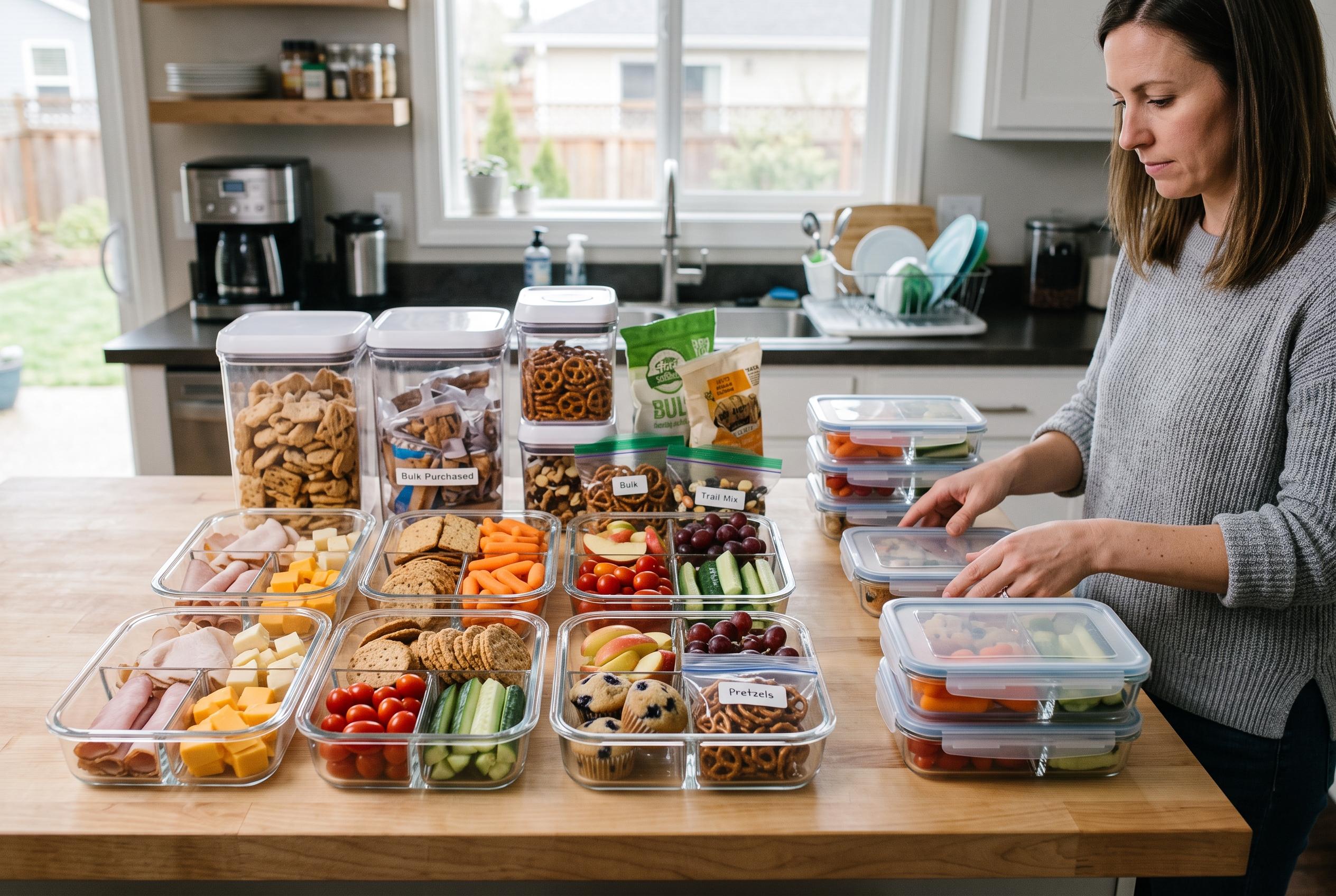

Parents are embracing straightforward, component-based lunch ideas, meal prep, and affordable bulk buying to streamline morning routines and ensure children enjoy nutritious, finishable lunches amid hectic schedules.
Packing school lunches often sounds straightforward until the morning rush hits and the fridge is nearly empty. A growing body of lunchbox advice from parenting and food sites points to the same answer: keep the routine simple, rely on repeatable formulas and build meals around a mix of protein, fruit, vegetables and whole grains. GoodRx, for example, recommends planning ahead and using a balanced mix of foods that can be assembled quickly, while the University of Arkansas system stresses that protein and fibre help children stay energised and focused through the school day.
One of the easiest approaches is to think in components rather than recipes. Coles suggests dividing a lunchbox into a main item, a savoury snack, a sweet treat, fruit and vegetables and a drink, a method that can help parents avoid overthinking the process. That might mean turkey and cheese pinwheels with carrot sticks, a cold pasta salad with leftover vegetables and beans or chicken, or a simple quesadilla served at room temperature. Elizabeth Rider’s school-lunch ideas lean in the same direction, with practical options such as DIY Lunchables, turkey-and-cheese roll-ups and bento-style boxes.
The snacks matter too. Colorado Parent recommends fresh fruit, crunchy vegetables, hard-boiled eggs and hummus as easy add-ons that can round out a lunch without much extra work. Netmums and BBC Good Food also favour familiar, child-friendly combinations that are quick to prepare and easy to eat, from ham-and-cheese roll-ups to more playful sandwiches and egg-based options. The aim is not novelty for its own sake, but lunches children are actually likely to finish.
Money-saving habits can help as much as recipe ideas. Colorado Parent advises buying full-size ingredients rather than pre-portioned packs when possible, then cutting them down at home, which can reduce per-unit costs. It also recommends bulk-buying shelf-stable staples such as crackers, peanut butter and beans once you know your child will eat them. That kind of planning can make a week’s worth of lunches less expensive and less repetitive at the same time.
Parents can also make the routine easier by preparing ahead. Batch cooking, freezing yoghurt tubes or applesauce cups to help keep lunchboxes cool and involving children in the evening packing process can all cut down on morning stress. The simplest version of the advice is also the most useful: choose a few dependable combinations, prep what you can the night before and let the lunchbox become a small system rather than a daily scramble.
Disclaimer: This content is for informational purposes only and is not intended to be a substitute for professional medical judgment, advice, diagnosis, or treatment.