

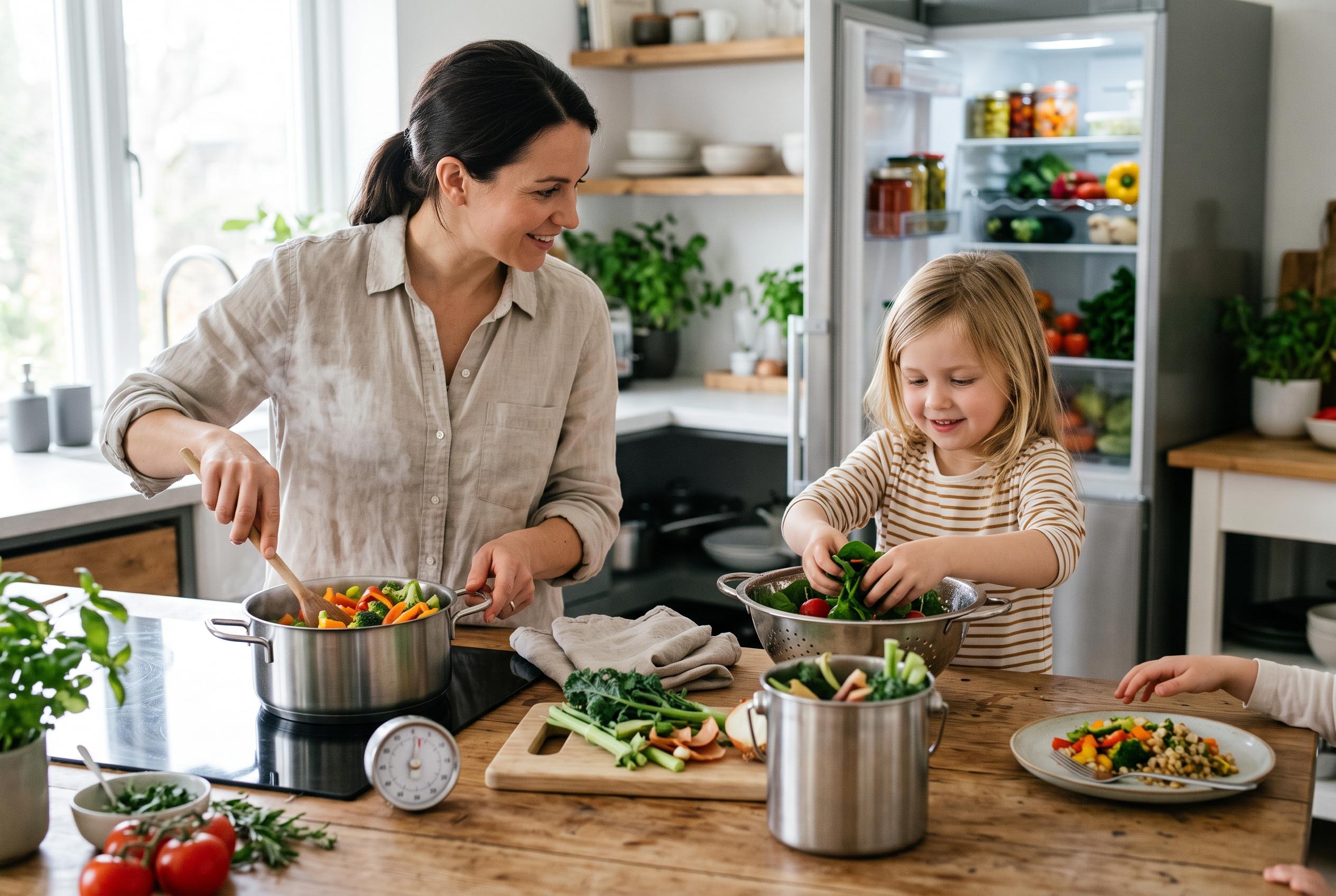

Nutritionist Del Sol advocates for shorter cooking times and moderate indulgence as practical steps towards healthier, more sustainable eating. Small, manageable changes can preserve nutrients, reduce waste, and make nutritious meals easier to maintain.
In the search for healthier eating, many people focus on restriction, but a more practical approach often starts in the kitchen. According to Vogue Japan, nutritionist and caterer Del Sol recommends a simpler rule: avoid cooking food longer than necessary. Gentle methods such as steaming, brief sautéing and quick roasting can help preserve flavour, texture and nutrients, while reducing the chance that heat-sensitive vitamins are lost in the process. Healthline similarly notes that some nutrients, including vitamin C and certain B vitamins, are vulnerable to heat and can leach into cooking water, which is one reason shorter cooking times can be useful.
The same thinking applies to how people judge foods that are higher in calories. Del Sol argues that calorie content should not be confused with nutritional value, and that a healthy diet is not built around labelling foods as simply good or bad. Instead, the overall pattern of eating matters, including how much is eaten and how often. For people who want something sweet without turning to highly processed snacks, she points to 100% peanut butter as a sensible option. Healthline says peanut butter can be satisfying because it contains protein and healthy fats, but it also advises moderation and choosing versions without added sugar or unhealthy fats.
That approach reflects a broader shift away from all-or-nothing diet rules. Small changes, such as cooking vegetables just enough to keep their colour and bite, or keeping a jar of plain peanut butter on hand for toast, fruit or yoghurt, can make healthy eating feel more manageable. The result is not a perfect menu, but a more sustainable one: less waste in the pan, more flavour on the plate and fewer reasons to reach for an ultra-processed alternative. In that sense, Del Sol’s advice is less about strict discipline than about building meals that are practical, satisfying and easy to repeat.
Disclaimer: This content is for informational purposes only and is not intended to be a substitute for professional medical judgment, advice, diagnosis, or treatment.



