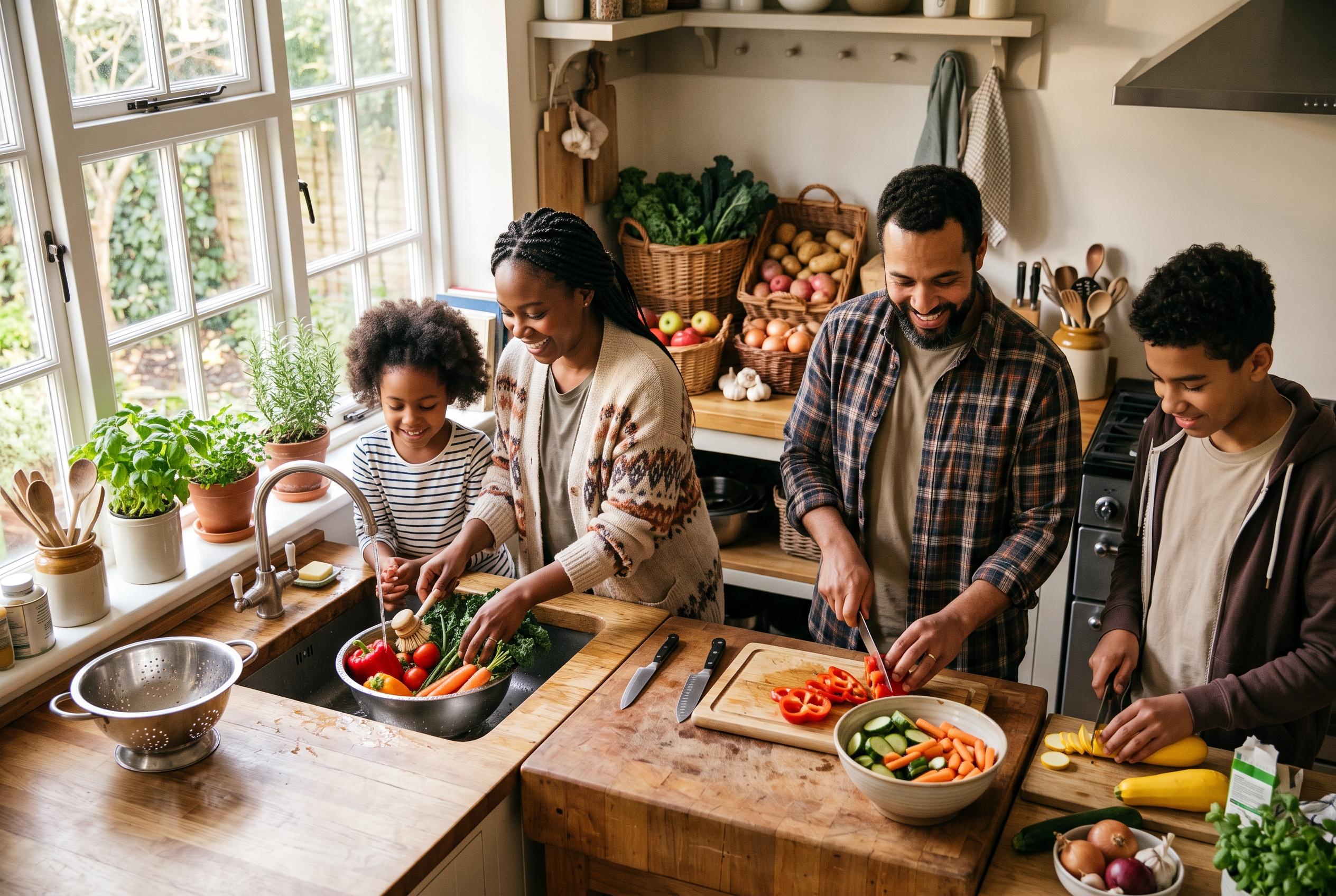

Small, manageable changes in shopping, storage, and meal preparation can help establish a consistent, produce-rich diet, according to experts and recent advice.
Building a more fruit-and-vegetable-rich diet does not have to mean overhauling every meal. Simple changes to shopping, storage and everyday recipes can make produce easier to eat regularly, according to the advice collected by El Diario, with additional practical guidance echoed by the Centres for Disease Control and Prevention, Harvard Health and Consumer Reports.
One of the most effective changes begins before cooking starts: buying fruit and vegetables with a plan. When produce is already in the kitchen, it is far more likely to end up on the plate. The general benchmark often cited is about 400 grammes a day, or roughly five portions, but experts note that many people will do better by building up gradually rather than trying to transform their habits overnight.
Reducing the effort needed to prepare vegetables can also make a difference. Washing, chopping and storing carrots, peppers, celery and leafy greens soon after shopping means they are ready to use during the week. Keeping fruit in a visible bowl and using clear containers in the fridge can also serve as a useful reminder. Harvard Health and Consumer Reports both recommend starting small, with easy additions such as berries on cereal, peppers in eggs or spinach in sandwiches.
The same approach works at lunch and dinner. Rather than learning entirely new recipes, people can fold vegetables into meals they already make: rice with onion, aubergine or carrots; soups with pumpkin or spinach; or blended vegetables as sauces for pasta, fish or meat. The CDC says one practical guide is the plate method, in which half of the plate is filled with fruit and vegetables, and it also notes that frozen and canned produce can be just as useful as fresh, provided they do not contain added sugar or heavy sauces.
Breakfast and snacks are another chance to add colour and fibre. Fruit mixed with yoghurt or oats is an easy start to the day, while apple slices, kiwi, strawberries or blueberries can replace less nutritious options between meals. Vegetable sticks can serve the same purpose when hunger strikes. Consumer Reports says roasting vegetables can bring out their sweetness, while smoothies can help make greens like spinach and kale more appealing.
The key, nutrition groups say, is consistency rather than perfection. A single daily change, such as adding one portion of produce at breakfast or choosing fruit for a snack, can build into a lasting habit. If one vegetable is unappealing, another may work better, and different cooking methods, seasonings and textures can make it easier to keep going.
Disclaimer: This content is for informational purposes only and is not intended to be a substitute for professional medical judgment, advice, diagnosis, or treatment.