

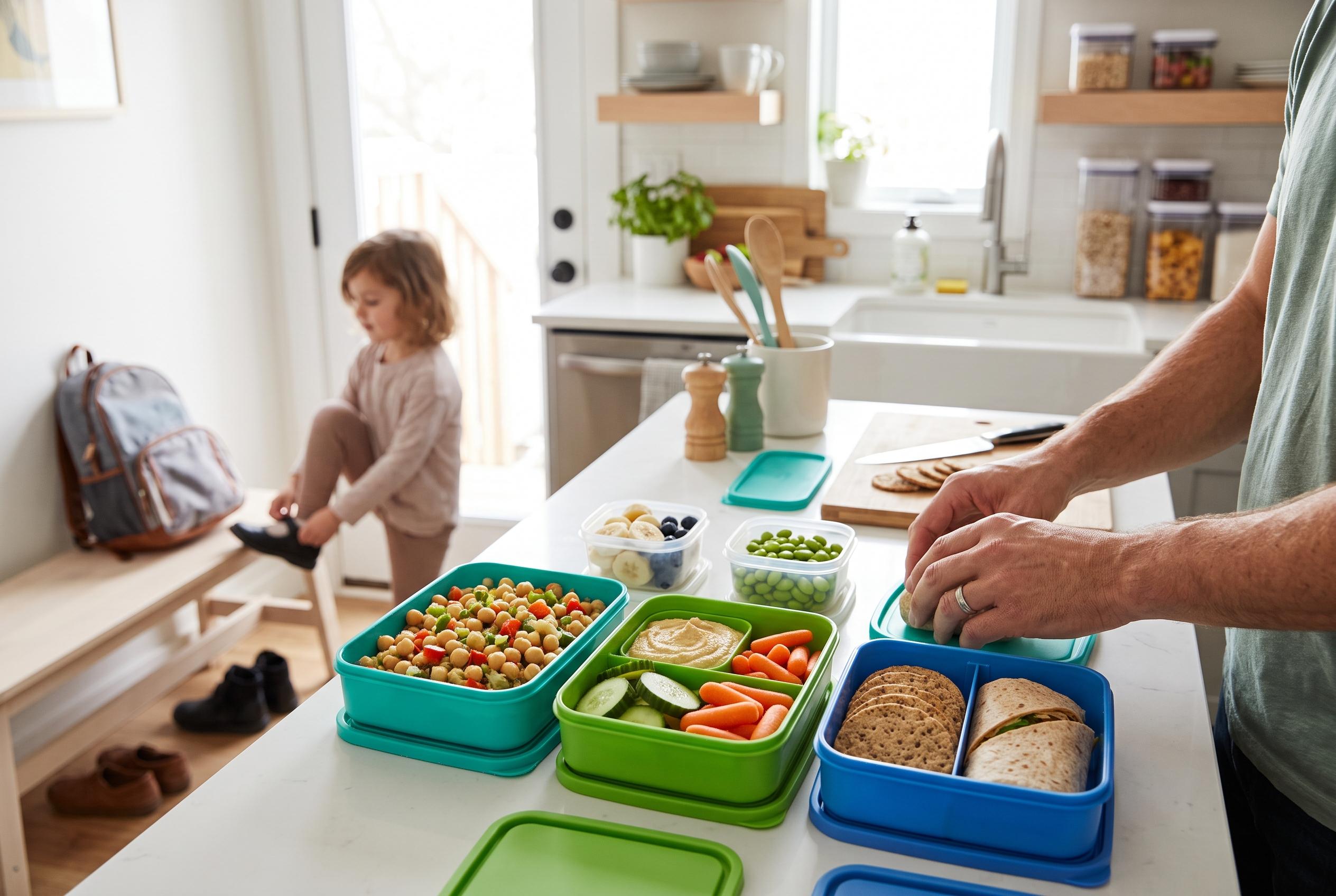

A straightforward weekly plan for nut-free, plant-based school lunches aims to ease decision fatigue and meet safety requirements, emphasising familiarity and protein-rich foods for children of all ages.
Packing school lunches for children who range from preschool age to the early teenage years can feel like a daily logistics test, especially when the lunchbox has to meet a nut-free rule and still survive the trip to school. The guidance shared by vegan lifestyle writer in the lead article centres on a simple answer: settle on one weekly plan, do one shop, prepare most of it on Sunday, and then spend only a few minutes each school night finishing the job. That kind of routine, the article suggests, is less about culinary creativity than reducing decision fatigue for busy families.
The week’s menu is built around familiar foods that children are likely to recognise and eat. Monday begins with sealed SunButter and jam sandwiches, sliced pears, baby carrots and oat energy bites. Tuesday switches to cracker stacks with baked tofu and vegan cheddar, alongside cucumber, grapes and dried mango. Midweek, chickpea cookie dough dip with graham crackers is paired with strawberries, snap peas and either roasted chickpeas or popcorn, while Thursday brings veggie sushi rolls or onigiri with edamame, mandarins and more energy bites. Friday finishes with a warm rice bowl, plant chicken, peas and carrots, cherry tomatoes, melon, vegan cream cheese and pretzel crisps. The thread running through the plan is protein that children already know, including SunButter, tofu, chickpeas, edamame and plant-based chicken.
The article’s preparation schedule is deliberately low-friction. On Sunday, the energy bites are rolled and Monday’s sandwiches are assembled; during the school week, parents are told to slice, portion and pack rather than cook from scratch. A thermos trick also features: fill it with hot water while the rice cooks, then empty it just before packing so a hot lunch stays warm until noon. The same framework is adjusted for different ages, with younger children getting sandwiches cut into quarters and fruit prepared in smaller pieces, while older children are given larger portions or more room to assemble their own cracker combinations.
That practical approach aligns with broader guidance on plant-based eating for children. The American Academy of Pediatrics’ HealthyChildren.org says plant-based diets can fit into a healthy pattern when meals include vegetables, plant proteins such as beans and tofu, healthy fats and fruit, while also noting possible long-term health and environmental benefits. Nutrition guidance aimed at families also points to legumes, soy foods and grains as useful sources of protein for children. For parents trying to build lunchboxes that are both filling and simple, the message from those resources is clear: balance matters more than novelty, and plant foods can do the job well when they are chosen carefully.
Because school lunches also have to satisfy allergy rules, the article spends time on substitutions and label checks. It recommends seed butter in place of peanut butter, notes that some vegan cheeses and plant butters contain nuts, and flags specific products such as certain graham crackers and chocolate chips that may help parents avoid common allergens. That caution is echoed in other nut-free lunch round-ups, which similarly emphasise seed-based spreads, chickpeas, crackers, fruit and other easy-to-pack foods as dependable alternatives. In a school setting where safety rules vary by classroom and district, the article’s final point is the most important: read every label, because recipes and factories can change without warning.
Disclaimer: This content is for informational purposes only and is not intended to be a substitute for professional medical judgment, advice, diagnosis, or treatment.



