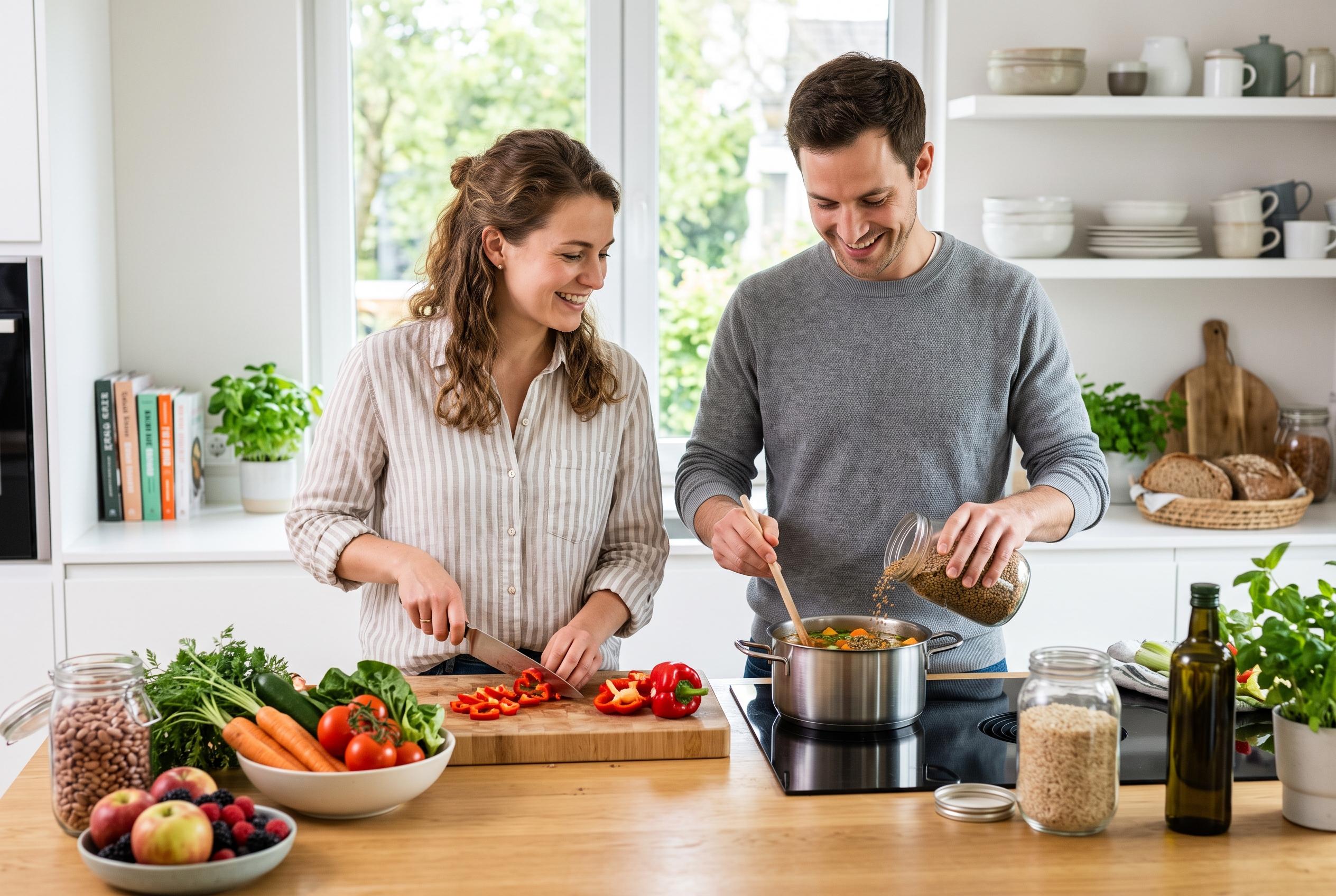

Practical and affordable kitchen swaps, endorsed by health experts, offer a way to reduce reliance on ultra-processed foods, improving health outcomes without complex recipes or costly ingredients.
Ultra-processed foods are everywhere, from breakfast cereals and fizzy drinks to supermarket bread, sauces and packaged snacks. The BBC’s Melissa Hogenboom set out six simple home-made swaps designed to cut back on them without demanding expensive ingredients or hours in the kitchen. Her point is backed by the American Heart Association, which says ultra-processed foods now account for more than half of the average US diet’s calories and are often loaded with salt, sugar and saturated fat.
One of the easiest places to start is dessert. Hogenboom found that overripe bananas blended with cocoa powder made a surprisingly creamy frozen treat, while frozen yoghurt mixed with fruit offered another quick option. The appeal is not just convenience: cocoa contains flavanols and theobromine, compounds associated with antioxidant and anti-inflammatory effects, while fruit adds natural sweetness without the additives commonly found in shop-bought ice cream.
She also tried making bagels with just self-raising flour and yoghurt, then cooked them in an air fryer. The result was not perfectly uniform, but it was quick, cheap and higher in protein and calcium than many packaged alternatives. That matters because, as Northwestern Medicine notes, the best defence against ultra-processed foods is often not total elimination but a shift towards simpler foods with shorter ingredient lists and fewer unfamiliar additives.
For savoury meals, Hogenboom replaced jarred tomato sauce with a basic mix of onions, garlic, tomatoes and herbs simmered together at home. She also built her own stir-fry sauce from soy sauce, honey, sesame oil and garlic rather than relying on a packet version with a long ingredient list. The American College of Cardiology has reported on research linking frequent ultra-processed food intake with a higher risk of adverse health outcomes, including hypertension, digestive disease and cardiovascular events, which has sharpened interest in these small, practical substitutions.
For snacks, Hogenboom suggested thinking about whether a food still resembles its original form. Sarah Berry, a professor at King’s College London, says that is a useful rule of thumb. On that basis, she moved away from heavily flavoured crisps and towards home-made popcorn, which is naturally high in fibre and low in fat if prepared simply. That approach fits with wider advice from health groups such as the American Heart Association, which says some minimally processed packaged foods can be part of a balanced diet, but ultra-processed snacks should be limited.
Her final swap was oat bars, made from oats, chopped nuts and seeds, with bananas, honey or nut butter for sweetness. The BBC argued that these ingredients bring fibre, protein and healthy fats in a way many shop-bought cereal bars do not. That broader debate matters because ultra-processed foods are not all identical: some researchers and commentators, including a dietitian quoted by Time, argue that blanket warnings can overlook the role such foods play for people with limited access to fresh produce. Even so, recent research reported by Le Monde suggests the processing itself may have harmful effects that go beyond calorie counts alone.
The practical message is less about perfection than adjustment. Hogenboom’s recipes suggest that cutting back on ultra-processed foods may be easier when the goal is to add more whole ingredients rather than strip everything out. As Berry put it in the BBC report, the healthiest approach may be to ask what can be added, not only what should be removed.
Disclaimer: This content is for informational purposes only and is not intended to be a substitute for professional medical judgment, advice, diagnosis, or treatment.