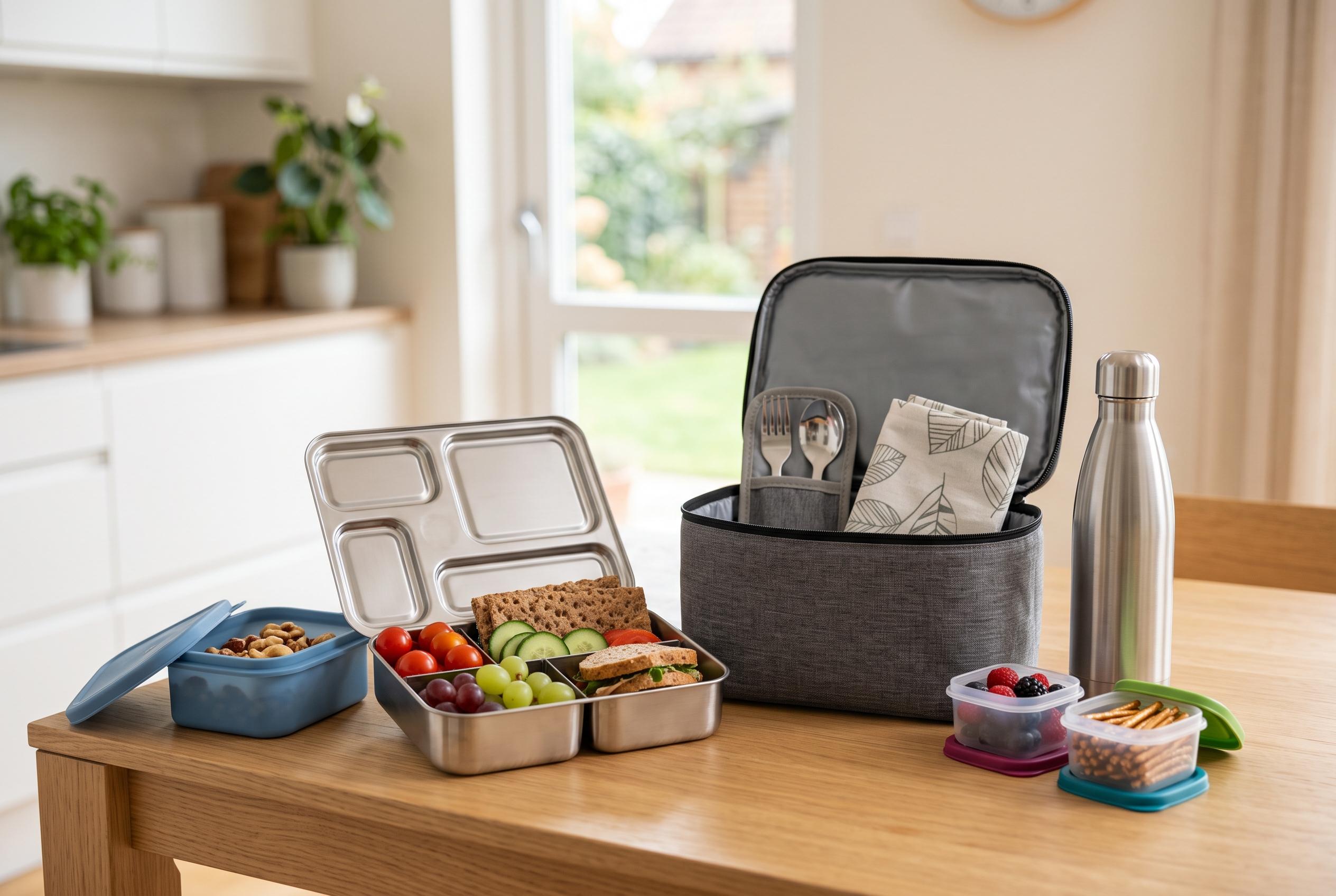

As plastic use in the US is projected to double by 2060, families are increasingly turning to durable, reusable lunch gear to reduce waste and combat environmental harm, highlighting a practical response to a growing pollution crisis.
Plastic wrap remains a default in many American kitchens, but its convenience comes with a growing environmental cost. The Pew Charitable Trusts has warned that plastic use in the United States is on track to more than double by 2060, adding to the pressure on waste systems and oceans. For families packing school lunches, the shift to reusable containers is becoming less of a lifestyle choice than a practical response to a pollution problem that begins at home.
That is the case made by VegNews in its round-up of reusable lunch gear for children, which argues that durable swaps can reduce waste while still making the morning routine easier. The publication points to evidence from Surfers Against Sewage that millions of plastic items enter the oceans every day, and it notes research from Friends of the Earth Canada suggesting households can save money by replacing single-use items with reusables. The broader case is reinforced by Stasher, which says one of its silicone bags can replace as many as 260 disposable plastic bags a year.
Among the products highlighted is Stasher’s silicone food bag, which the company says is dishwasher-safe, freezer-friendly and made from food-grade silicone rather than plastic. Stasher’s own materials say the bags are free from BPA, BPS, lead and phthalates, chemicals often raised in discussions about food-storage plastics. The brand also promotes a return-and-recycle route through TerraCycle, underscoring how manufacturers are trying to close the loop on products designed for repeated use.
For drinks, the guide points to insulated stainless-steel bottles from Thermos, which are designed to keep water cold through the school day, and to Bentgo’s compartmented lunch boxes, aimed at making packed meals more organised and less messy. It also recommends insulated lunch bags from FlowFly, stainless-steel utensils from Elk and Friends, reusable snack containers from Everusely and squeezable silicone pouches from Squeasy for yoghurt, purées and smoothies. Reviews cited by the publication suggest parents value durability and child-friendly designs, although some products may be harder for younger children to open or clean.
The practical appeal is clear: these items are meant to cut down on waste without making lunch packing more complicated. That matters at a time when, according to Michigan State University research reported by ScienceDaily, packaging choices can carry a substantial climate footprint. For parents looking to move away from disposable plastic, the message is simple: a few reusable staples can make school lunches cleaner, cheaper and less disposable.
Disclaimer: This content is for informational purposes only and is not intended to be a substitute for professional medical judgment, advice, diagnosis, or treatment.