
Doctors warn that children’s increasing consumption of junk food and reduced outdoor activity are accelerating health risks, urging parents to promote balanced diets and active lifestyles to safeguard long-term wellbeing.
Doctors are warning that many children are paying a steep price for a diet built around pizza, burgers, packaged snacks and fizzy drinks, while traditional meals such as dal, roti, vegetables, milk and yoghurt are pushed aside. The concern is not simply about weight gain. Paediatric specialists say poor eating habits, combined with less physical activity, are contributing to a rise in obesity and related health problems that can begin far earlier than many parents expect.
The shift away from home-cooked food is being driven by busy family routines, urban lifestyles and the ease of ready-to-eat products. Fast food is heavily marketed, attractively packaged and convenient, which makes it especially appealing to children. But doctors say these foods often deliver little beyond excess salt, sugar and unhealthy fat. The result can be a diet that fills a child without properly nourishing growth, immunity and brain development.
Health authorities and medical guidance from the Mayo Clinic, the US Centres for Disease Control and Prevention and MedlinePlus all link childhood obesity to a higher risk of high blood pressure, high cholesterol, type 2 diabetes and fatty liver disease. Children’s Health has also warned that ultra-processed foods can affect metabolism and heart health, while weakening overall diet quality. NDTV has similarly reported that junk food can undermine immunity and concentration, making it harder for children to stay well and learn effectively.
Doctors say the damage is often made worse by long hours in front of screens and too little outdoor play. Without regular movement, children burn fewer calories and are more likely to store excess energy as body fat. They are urging parents to make daily exercise part of family life, with at least an hour or more of active play where possible. That, they say, helps digestion, strengthens muscles and supports healthier weight management.
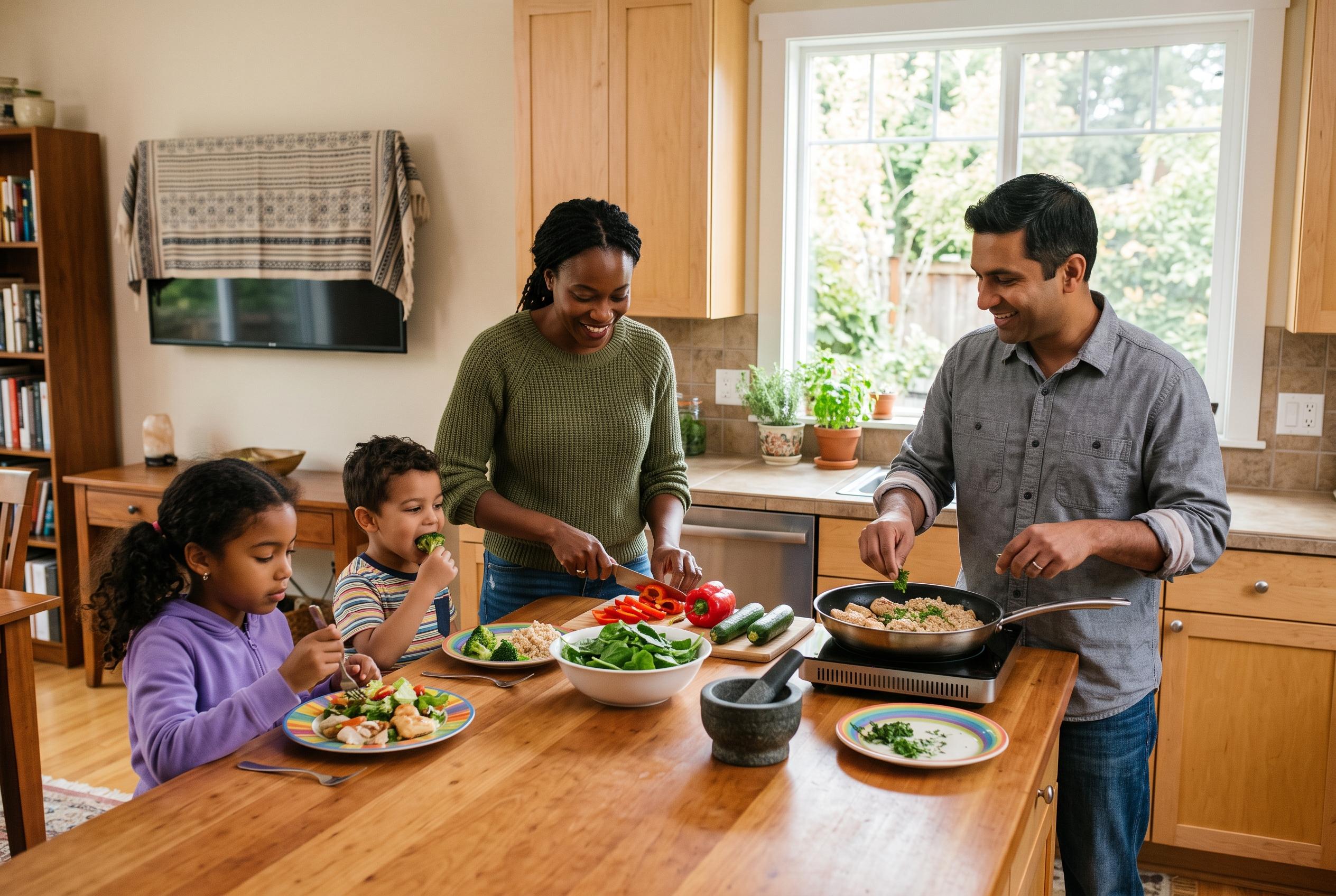
The advice to parents is practical rather than extreme: stop keeping junk food within easy reach, make traditional meals more appealing, and lead by example. Healthier versions of familiar favourites, such as homemade vegetable burgers, whole-wheat pizza or nutritious lentil pancakes, can help ease the transition. Fresh fruit, salads, milk, buttermilk and hot home-cooked meals remain the core of a balanced child’s diet. Doctors say the goal is not deprivation, but to rebuild eating habits early enough to protect children’s long-term health.
Disclaimer: This content is for informational purposes only and is not intended to be a substitute for professional medical judgment, advice, diagnosis, or treatment.