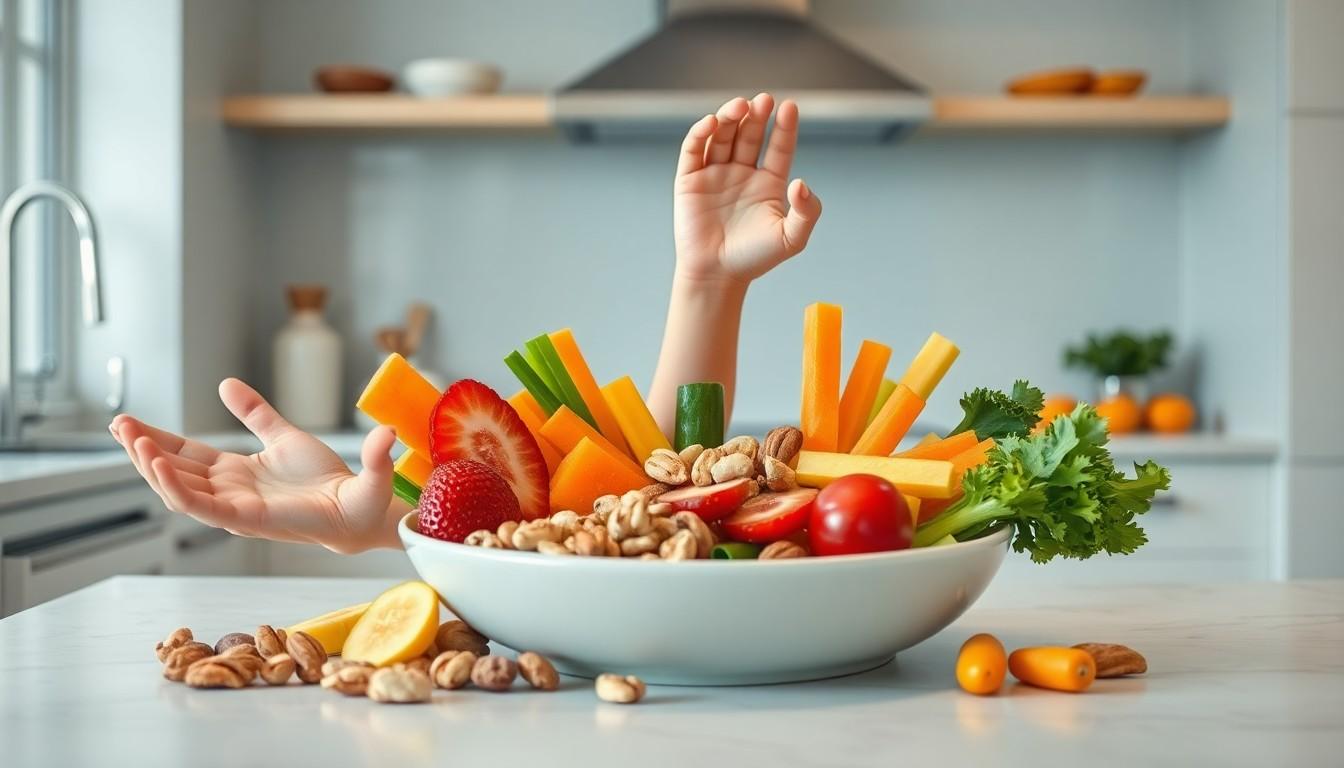

As modern snack options become more processed and ubiquitous, experts urge a shift from traditional meal and snack routines towards prioritising food quality and mindful eating to support children’s health.
Pediatric advice has long suggested that children should eat three meals and two snacks a day, but a growing number of nutrition experts say that guidance belongs to a different food era. The concern is not that snacking itself is the problem; it is that the original thinking assumed children were eating simple, whole foods, while today’s snacks are far more likely to be ultraprocessed and consumed away from the table.
Tamara Hannon, a paediatric endocrinologist at Indiana University School of Medicine, has argued that the evidence behind the old advice came from children eating foods such as fruit, vegetables and homemade items, rather than the packaged products now common in shops and school bags. Kelly Brownell, an emeritus professor at Duke University, has also described how dramatically snacking has changed within a single lifetime, with eating now happening in cars, waiting rooms and on the move. Ashley Gearhardt of the University of Michigan has said food companies helped normalise those settings as places to eat, marketing heavily to children and placing vending machines in family spaces.
The latest research suggests the more useful question is not how many times a child snacks, but what is being offered. Jennifer Orlet Fisher, a behavioural nutritionist at Temple University, has said that in a recent study the number of snack occasions was not linked to diet quality, whereas the content of those snacks was. Whole and minimally processed options such as fruit, vegetables, beans, nuts, dairy and eggs can improve nutrient intake, and repeated exposure may even help children accept vegetables more readily.
That has practical implications at home. Johns Hopkins Medicine recommends choosing snacks that combine food groups, while HealthyChildren.org advises using snack time to increase fruit and vegetable intake and keeping healthier options ready. Dartmouth Health Children’s suggests predictable snack times in a designated place, with portions smaller than a meal. The broader message from experts is that a snack should be a small, seated eating occasion, not a second lunch taken wherever a child happens to be.
Experts also stress that this is not an argument for restricting food from hungry children. Young children have small stomachs and may need to eat between meals, and children with diabetes, food allergies, coeliac disease, feeding disorders or growth concerns should be managed with clinical advice. Families under financial strain can ask about WIC, SNAP and school meal programmes. The emphasis, nutrition specialists say, should be on food quality, routine and access, not on policing every bite.
Disclaimer: This content is for informational purposes only and is not intended to be a substitute for professional medical judgment, advice, diagnosis, or treatment.