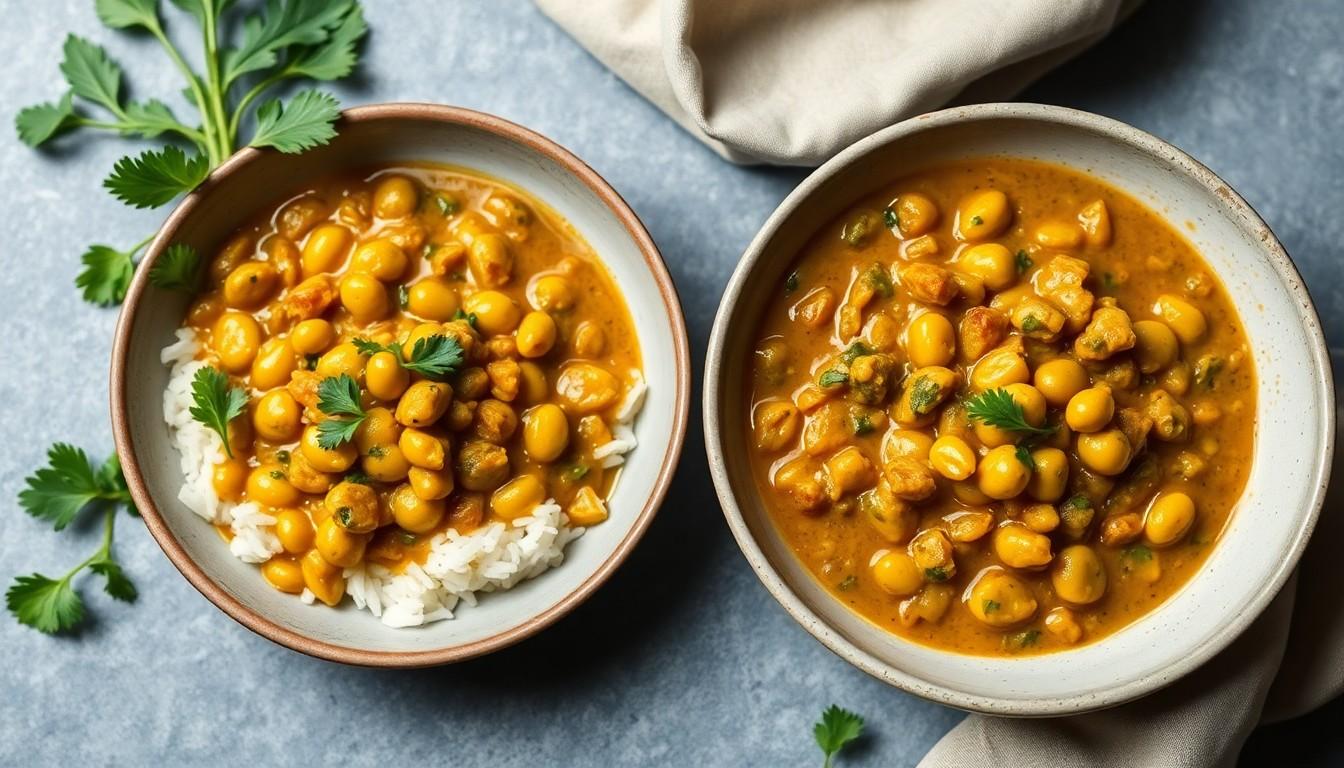

A timeless home-style dish, cabbage dal is gaining popularity through innovative variations that enhance its comforting qualities. Combining simple ingredients like moong dal and cabbage, this adaptable curry features bold flavours and can be tailored to suit different tastes and diets, making it a staple for weekday meals and packed lunches.
Cabbage dal is one of those modest home-style dishes that relies on a short ingredient list and careful seasoning rather than complexity. Built around split yellow moong dal and finely chopped cabbage, it is finished with tamarind, green chillies and a ghee-based tempering, giving the curry a balance of softness, tang and warmth. The result is filling without feeling heavy, and it works well as a weekday lunch or a simple evening meal.
What makes the dish appealing is its flexibility. The cabbage is cooked until tender enough to melt into the dal, while the tamarind adds brightness and the jaggery or sugar rounds out the sourness. According to the recipe notes, the dish can be kept entirely coconut-free and still turn creamy, though some South Indian versions use a coconut paste for a richer finish. It can also be adapted with toor dal, or a mix of dals, if a thicker texture is preferred.
Other versions of cabbage moong dal follow a similar structure but add their own layers. Blend With Spices uses mustard seeds, chana dal, urad dal, curry leaves and dried red chillies in the tempering, while Cooking and Me adds onions and tomatoes for extra depth. Cookpad’s cabbage moong dal poriyal takes a drier, side-dish approach with coconut, and a YouTube demonstration of cabbage pesara pappu uses mustard seeds, urad dal and ghee to keep the flavour profile close to a classic South Indian home curry. Across all of these variations, the common thread is the same: cabbage and moong dal make a dependable, nourishing pairing.
Served with steamed rice, a little ghee and a crisp side such as papad or poriyal, cabbage dal becomes a complete and comforting plate. It also travels well into lunch boxes and can be paired with chapati, phulka or tandoori roti. The dish keeps for a couple of days in the fridge, and, as with many dals, it may thicken on standing; a splash of water when reheating restores the original consistency.
Disclaimer: This content is for informational purposes only and is not intended to be a substitute for professional medical judgment, advice, diagnosis, or treatment.