

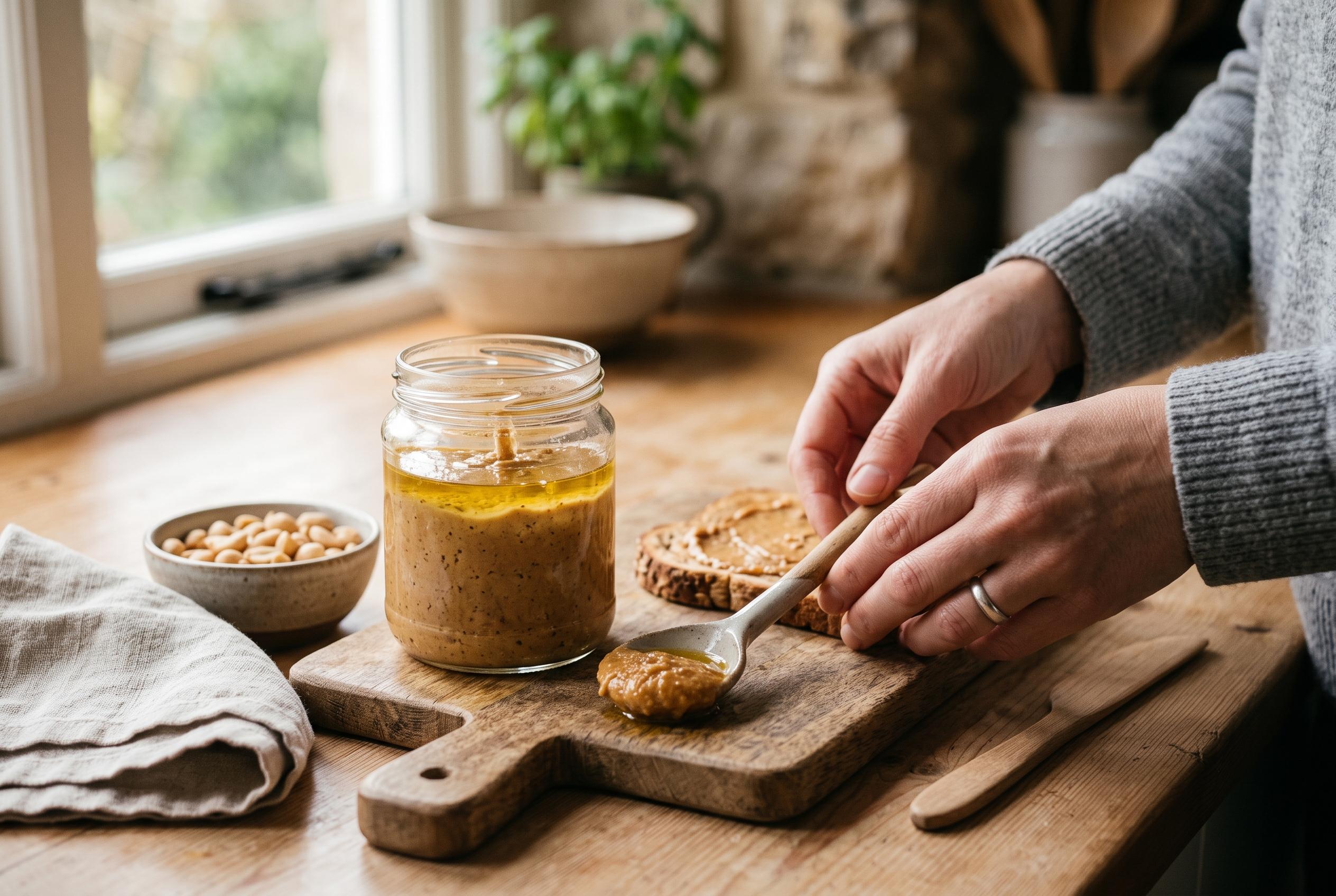

Dietitians recommend selecting natural peanut butter with oil separation as an indicator of minimal additives, emphasising the importance of simple ingredients for a healthy, balanced snack.
Peanut butter can be a nutritious everyday food, but dietitians say the healthiest jars are often the ones that look the least processed. NBC 5 DFW, drawing on advice from nutrition experts, says the simplest clue to look for in the supermarket is natural oil separation, which usually means the spread has been made without extra stabilisers or sweeteners.
That separation is not a flaw. In natural peanut butter, the oil rises to the top because the jar does not contain ingredients added to keep everything blended. Dietitian Natalie Rizzo has previously advised choosing a product with as short an ingredients list as possible, ideally just peanuts and salt, or even unsalted. The more familiar the ingredients panel looks, the better the odds that the product has fewer additives.
Healthline and Cleveland Clinic both note that peanut butter and peanuts can be a useful source of protein, healthy fats and other nutrients, with potential benefits for heart health and blood sugar control. But those sources also caution that many commercial versions contain added sugar, trans fats or other extras that can make them less appealing as an everyday choice. Flavoured varieties, such as honey-roasted spreads, are best treated as occasional foods rather than staples.
Dietitians also recommend paying attention to how peanut butter is eaten. A spoonful from the jar is fine, but pairing it with wholemeal toast or an apple can make the snack more filling and more balanced. Healthline says the protein and fat can help curb appetite, which is one reason peanut butter can fit into a weight-conscious diet when portions are sensible. The practical takeaway is simple: choose the jar with the plainest label, stir if needed, and keep the sugary versions for special occasions.
Disclaimer: This content is for informational purposes only and is not intended to be a substitute for professional medical judgment, advice, diagnosis, or treatment.



