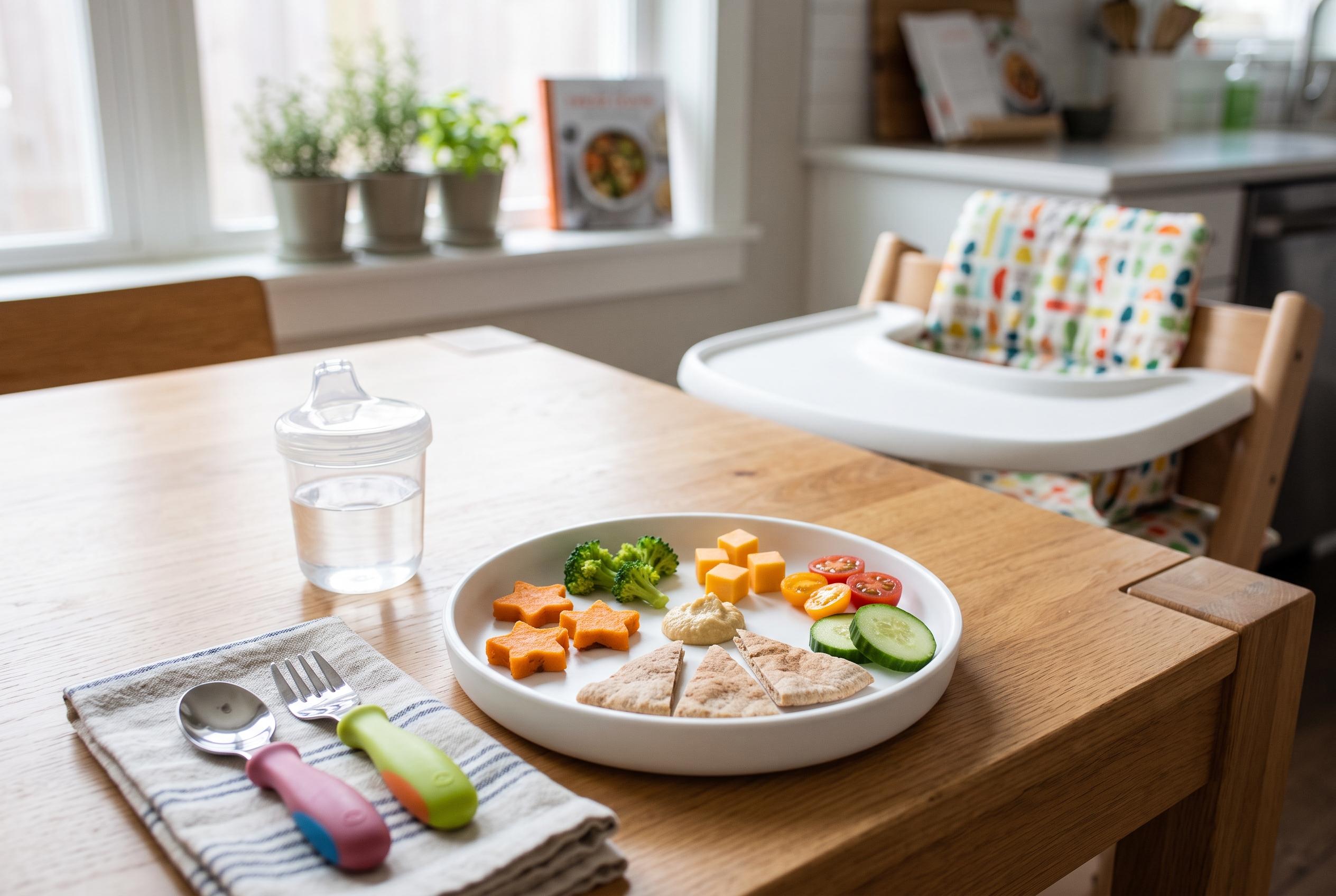

Health experts emphasise patience, routine, and engaging presentation methods to help young children overcome fussiness at mealtimes, highlighting that this phase is usually temporary and can be managed without pressure.
Parents facing a child who turns up its nose at dinner are often told to stay calm, stay consistent and keep the pressure off. Health experts say picky eating is common in the toddler years, when children are asserting independence and adjusting to new tastes and textures. The basic advice is not to turn the table into a battleground.
Specialists at Cleveland Clinic say routine matters: regular mealtimes, small portions and at least one familiar food can reduce stress for everyone involved. Mayo Clinic Health System recommends offering new foods alongside things a child already accepts, while HealthyChildren.org, the American Academy of Pediatrics’ parent site, says families should avoid bribery, threats or forcing children to clean their plates.
Experts also say presentation can help. Making fruit and vegetables look fun, involving children in cooking and letting them help choose meals may make unfamiliar foods less intimidating. Healthline notes that repeated exposure is often necessary and that parents should not expect instant success; a child may need to see the same food many times before trying it. Boston Medical Centre adds that children are more likely to copy adults who eat a variety of foods themselves.
The broader message from paediatric sources is that occasional fussiness is usually a phase, not a crisis. Boston Medical Centre says most children outgrow it as they get older, and Cleveland Clinic warns that pressure often backfires by creating more conflict and less willingness to try anything new. For many families, patience, repetition and a calmer atmosphere are more effective than ultimatums.
Disclaimer: This content is for informational purposes only and is not intended to be a substitute for professional medical judgment, advice, diagnosis, or treatment.