
A Canadian study reveals that brightly coloured, cartoon-laden cereal boxes targeted at children often mask high sugar levels and misleading health claims, prompting calls for more vigilant parental oversight.
Brightly coloured cereal boxes may look like a harmless way to get children fed before school, but a Canadian study suggests parents should look past the cartoons and gimmicks before filling the trolley. Researchers who examined 103 children’s cereals sold at major retailers found that the products were heavily marketed to children while still carrying a strong sugar burden, with most exceeding Health Canada’s sugar limits. A separate federal study published in 2017 found the same pattern across a broader sample of 262 child-targeted cereals, reinforcing that the problem is not new.
The sugar content alone was striking. The newer study found that children’s cereals averaged about 30 per cent of calories from sugar, and one product reached 58.2 per cent. Health Canada’s earlier analysis reported that 96 per cent of child-targeted cereals exceeded its sugar threshold. Public health researchers have also warned that ultra-processed foods, including sugary cereals, make up a large share of children’s diets and are linked to poorer diet quality and higher risks of excess weight.
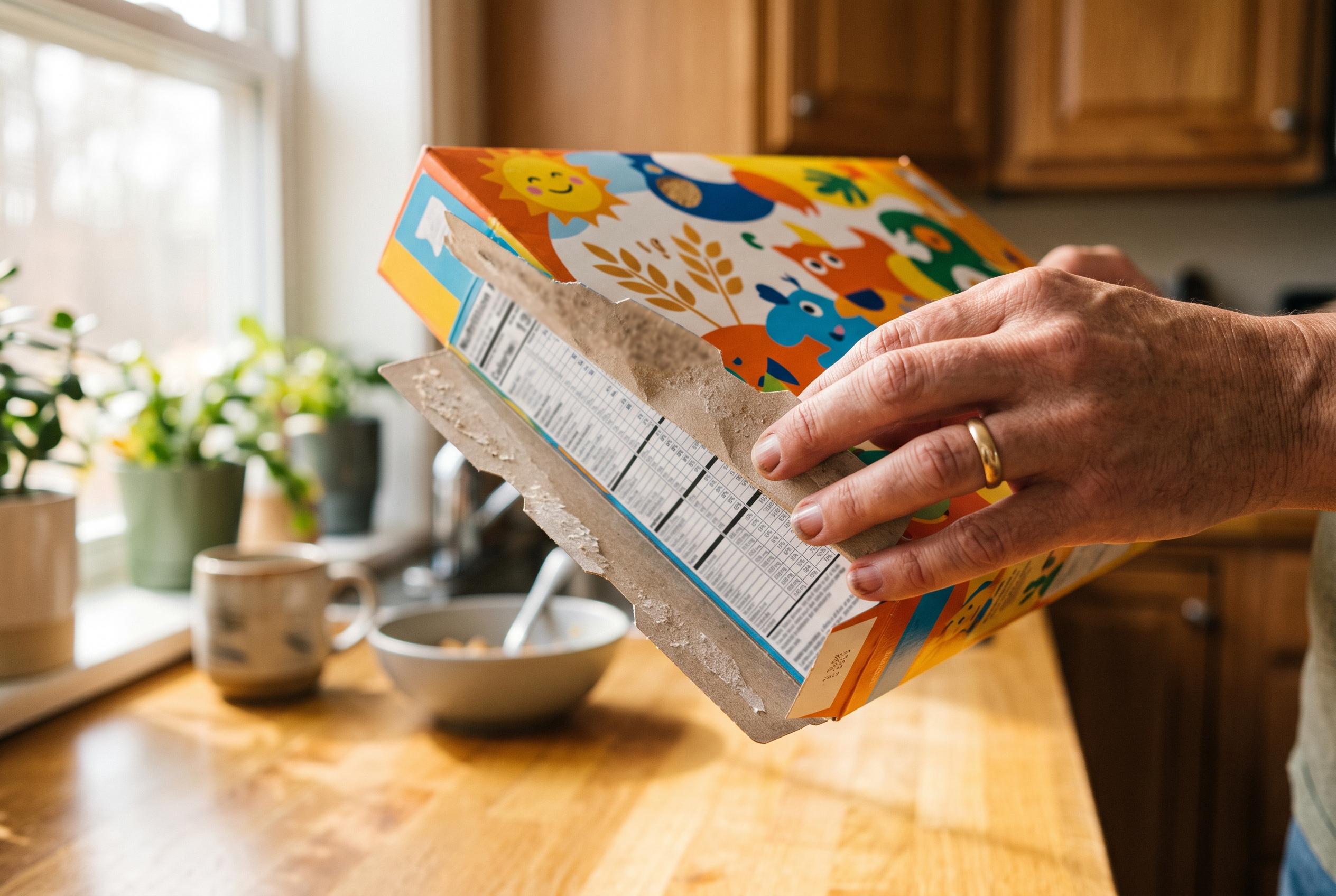
The packaging, however, is doing much of the selling. According to the Canadian study, 83 per cent of the cereals featured cartoons, mascots or characters tied to children’s entertainment, while about half used visual “movement” such as flying cereal or a bowl bursting open. Almost 9 in 10 boxes carried health or nutrition claims aimed at parents, including phrases such as “whole grain”, “source of fibre” and “made with real” ingredients. Researchers say this creates a “health halo”, encouraging adults to read the product as wholesome even when the nutrition panel tells a different story.
That gap between marketing and substance is at the heart of the concern. The study pointed to cereals that highlighted whole grains or essential nutrients while still ranking high in sugar, showing how front-of-pack claims can distract from the ingredient list and nutrition facts. Health Canada’s own food guide now urges Canadians to be aware of food marketing, a sign that regulators see packaging as more than decoration. Researchers say parents can use cereal boxes as a teaching tool, helping children spot cartoons, attention-grabbing images and persuasive claims before asking the more important question: what is actually in the box?
The findings also underline a regulatory divide. When the cereals were tested against proposed Health Canada criteria for marketing to children, none would have qualified. But under an industry code designed to guide responsible advertising, 69 per cent would have been allowed. That difference matters, because it shows how the standards used to judge a product can sharply change how “child-friendly” it appears. For parents, the practical answer is simple: compare labels, treat front-of-pack claims with caution and remember that “better-for-you” is not the same as “good for you”.
Disclaimer: This content is for informational purposes only and is not intended to be a substitute for professional medical judgment, advice, diagnosis, or treatment.