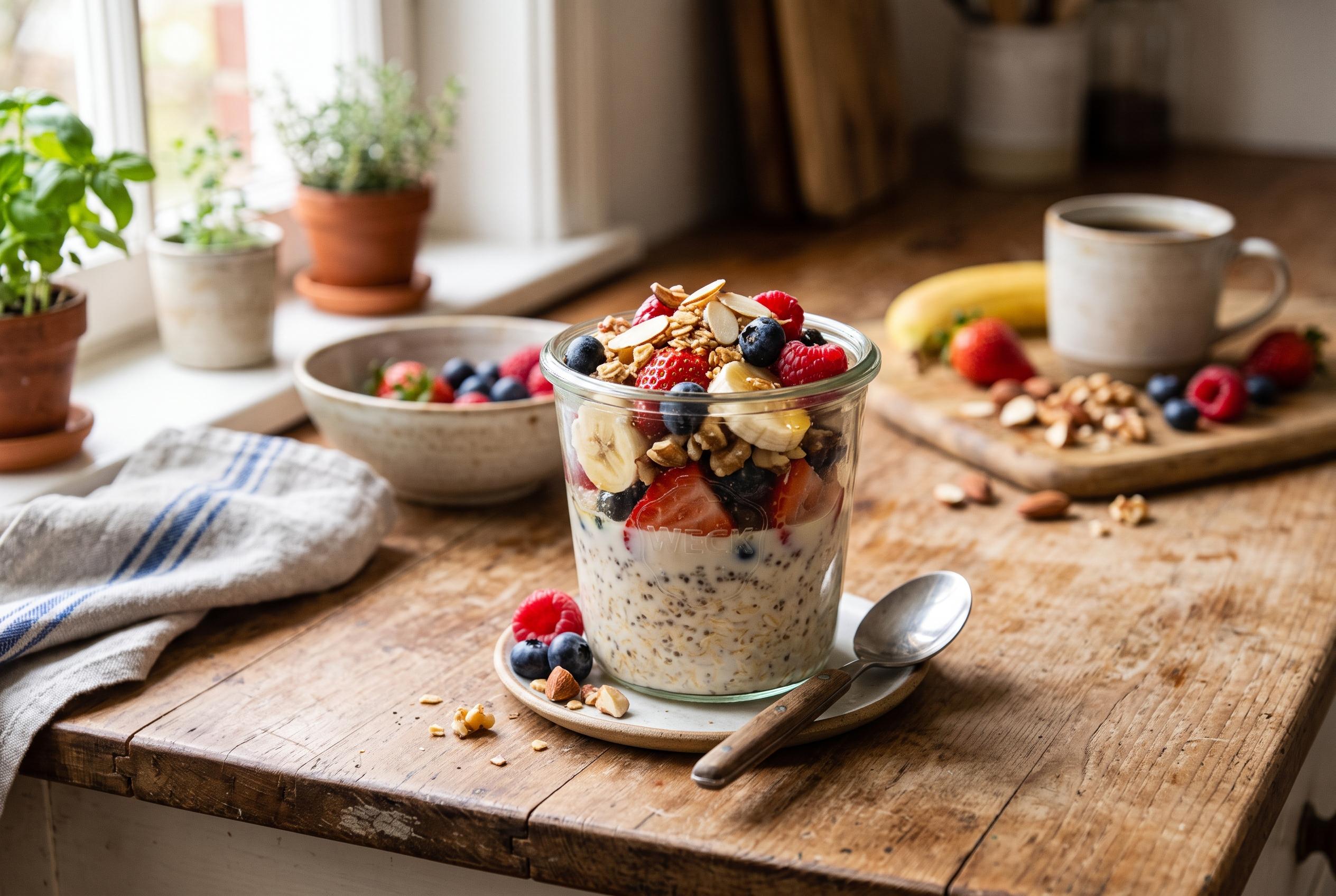

The shift towards overnight oats reflects a growing preference for nutritious, versatile, and convenient breakfast options, driven by pandemic habits and busy lifestyles, transforming morning routines across households.
Breakfast at home has changed quietly over time. What began with supermarket bread, buns and familiar spreads has shifted towards jars of overnight oats, a change that grew out of pandemic habit, a need for more convenience and a more deliberate focus on nutrition. That shift reflects a wider pattern: oats are often chosen for their fibre, their versatility and the fact that they can be prepared well in advance. According to Healthline and Cleveland Clinic, oats are valued for beta-glucan, a soluble fibre linked with better heart health and steadier blood sugar.
In this household, the move was not driven by one decisive moment. It happened gradually, as high cholesterol readings, strength training and the demands of growing children made breakfast feel less like a formality and more like a practical part of the day. The result is a breakfast base built from oats, milk, Greek yoghurt and protein powder, with flavours ranging from cocoa and berries to strawberry cheesecake, banana black sesame and Black Forest-inspired versions. That mix of protein and fibre also helps with satiety, which Cleveland Clinic notes can make oatmeal a useful breakfast for people trying to stay full through busy mornings.
The appeal is not only nutritional but logistical. Overnight oats remove the morning decision-making entirely: they are made the night before, chilled in the fridge and ready to eat with no cooking or washing up. BBC Good Food’s collection of overnight oat recipes makes the same case for the format, highlighting how easily it can be adapted with fruit, nuts, seeds and extra protein. A Couple Cooks similarly presents overnight oats as a straightforward, customisable meal-prep breakfast that can be adjusted to different tastes.
There is also room for preference. Some people favour rolled oats, which are widely used in overnight recipes, while others prefer a finer texture. Healthline says different oat types offer similar overall benefits, though less processed varieties tend to have a lower glycaemic index than quick oats. In practice, the choice often comes down to texture, taste and what keeps breakfast sustainable on school mornings and workdays alike.
That does not mean bread has disappeared. Homemade loaves and buns still have a place, especially at weekends and on days when the family wants something different. But the weekday default has changed, and that may be the most realistic lesson here: breakfast does not need to be perfect, only workable. For now, the jar in the fridge has become the easiest answer to a hectic morning, and, unexpectedly, the one most likely to be greeted with enthusiasm.
Disclaimer: This content is for informational purposes only and is not intended to be a substitute for professional medical judgment, advice, diagnosis, or treatment.