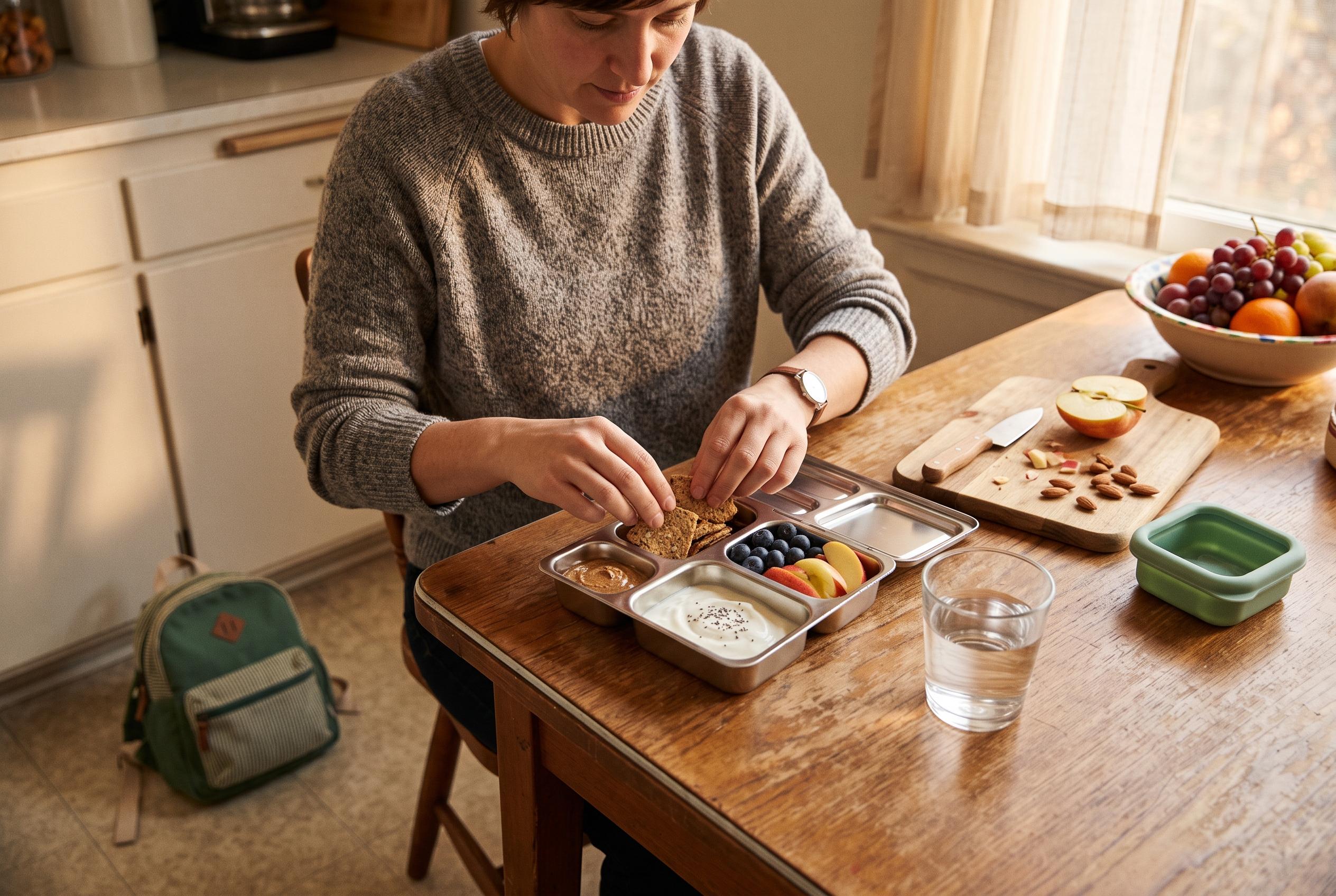

Nutritionists and health authorities recommend combining protein, healthy fats, and complex carbohydrates for nutritious school snacks, cautioning against sugary and processed options that offer quick energy but long-term satisfaction.
For schoolchildren, the best snack is one that combines protein, fat and complex carbohydrates, according to nutritionist Veronika Sergunina, who told NEWS.ru that such a mix helps children stay fuller for longer and maintain energy through the school day. She said fruit and berries can provide fibre, vitamins and quick energy, while nuts and seeds add healthy fats and protein.
That advice broadly matches guidance from major paediatric and hospital sources. The Cleveland Clinic says good snacks for children can include fruit, vegetables, whole-grain crackers, nuts and nut butters, while pairing vegetables with hummus can boost both fibre and protein. Nationwide Children’s Hospital similarly recommends fruit, vegetables, dairy and whole-grain foods as sensible options between meals.
Other experts cited in the related material suggest simple, portable combinations such as string cheese with grapes, yoghurt-based fruit smoothies, whole-grain pretzels with peanut butter and homemade trail mix with dried fruit, cereal and seeds. The Mayo Clinic Press also points to homemade muffins made with whole-wheat flour and fruit or vegetables as a practical school snack that is more nourishing than packaged alternatives.
Sergunina warned against giving children bars, sweets, biscuits, sugary drinks and juice as everyday snacks, saying they may provide a quick burst of energy but do not keep a child satisfied for long. She also advised against highly processed items such as crisps, savoury crackers and processed meat snacks, a view echoed by Cleveland Clinic and Atlantic Health, which both stress that minimally processed foods are generally more filling and more balanced.
Disclaimer: This content is for informational purposes only and is not intended to be a substitute for professional medical judgment, advice, diagnosis, or treatment.