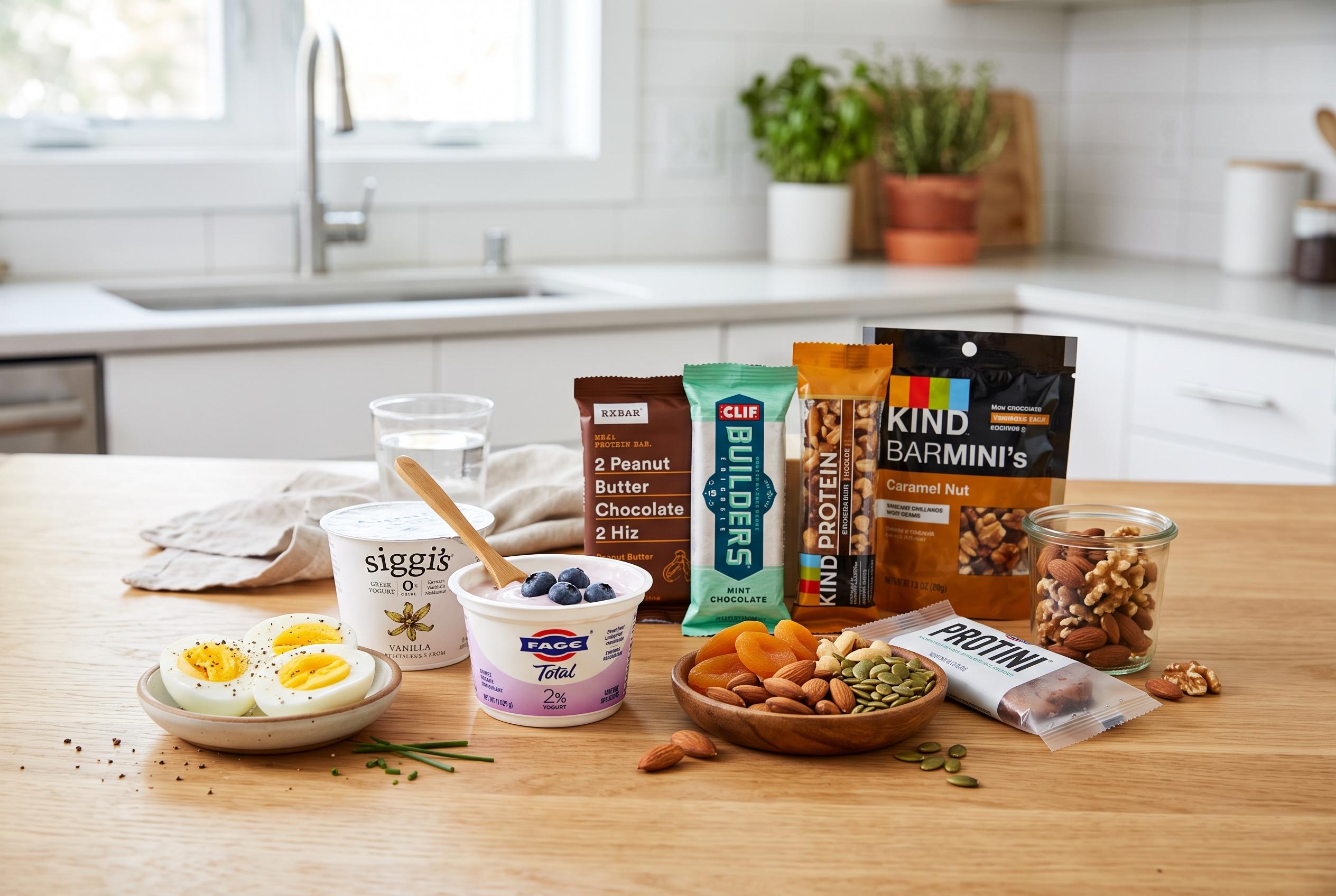

A growing body of expert advice underscores the importance of protein-rich snacks that are portable, convenient, and balanced with other nutrients, offering a practical solution for managing hunger between meals.
A packet of crisps or a few crackers may take the edge off hunger, but protein tends to make a snack feel more substantial. Health-focused round-ups from Healthline, Harvard Health, Forbes Health, Men’s Fitness and Good Housekeeping all point to the same basic idea: snacks built around protein are more likely to keep people satisfied between meals, while also helping support muscle maintenance and steady energy.
The best choice often depends less on chasing the highest protein figure and more on matching the snack to the moment. Harvard Health notes that protein can help with appetite control, while pairing it with fibre, fat or carbohydrates can make the snack more filling still. A pot of Greek yoghurt with fruit, cheese with an apple or eggs on wholegrain toast all combine different nutrients in a way that works better than protein alone.
For snacks that need to travel, jerky remains one of the most practical options. Healthline and Men’s Fitness both list it among the go-to choices, and Good Housekeeping’s recent snack awards also highlighted tinned fish and other portable protein foods. The appeal is simple: unopened packets can live in a desk drawer, car or bag without refrigeration. Nutrition labels still matter, though, because serving sizes can be misleading and flavoured varieties may carry more sugar and salt than plainer versions.
At home, the refrigerated options are broad. Greek yoghurt, cottage cheese, hard-boiled eggs, cheese portions and tuna or salmon packets can all be turned into quick snacks with very little preparation. Forbes Health and Xwerks also point to roasted chickpeas, roasted edamame, pistachios and protein bars as useful alternatives, especially when convenience matters as much as protein content.
The most effective snack routine is usually the simplest one. Keep chilled items in the fridge and shelf-stable ones in places where hunger tends to strike first. Pair a protein source with fruit, vegetables, nuts or wholegrains, and aim for something you will actually eat. The point is not perfection; it is getting from one meal to the next with something that does the job.
Disclaimer: This content is for informational purposes only and is not intended to be a substitute for professional medical judgment, advice, diagnosis, or treatment.