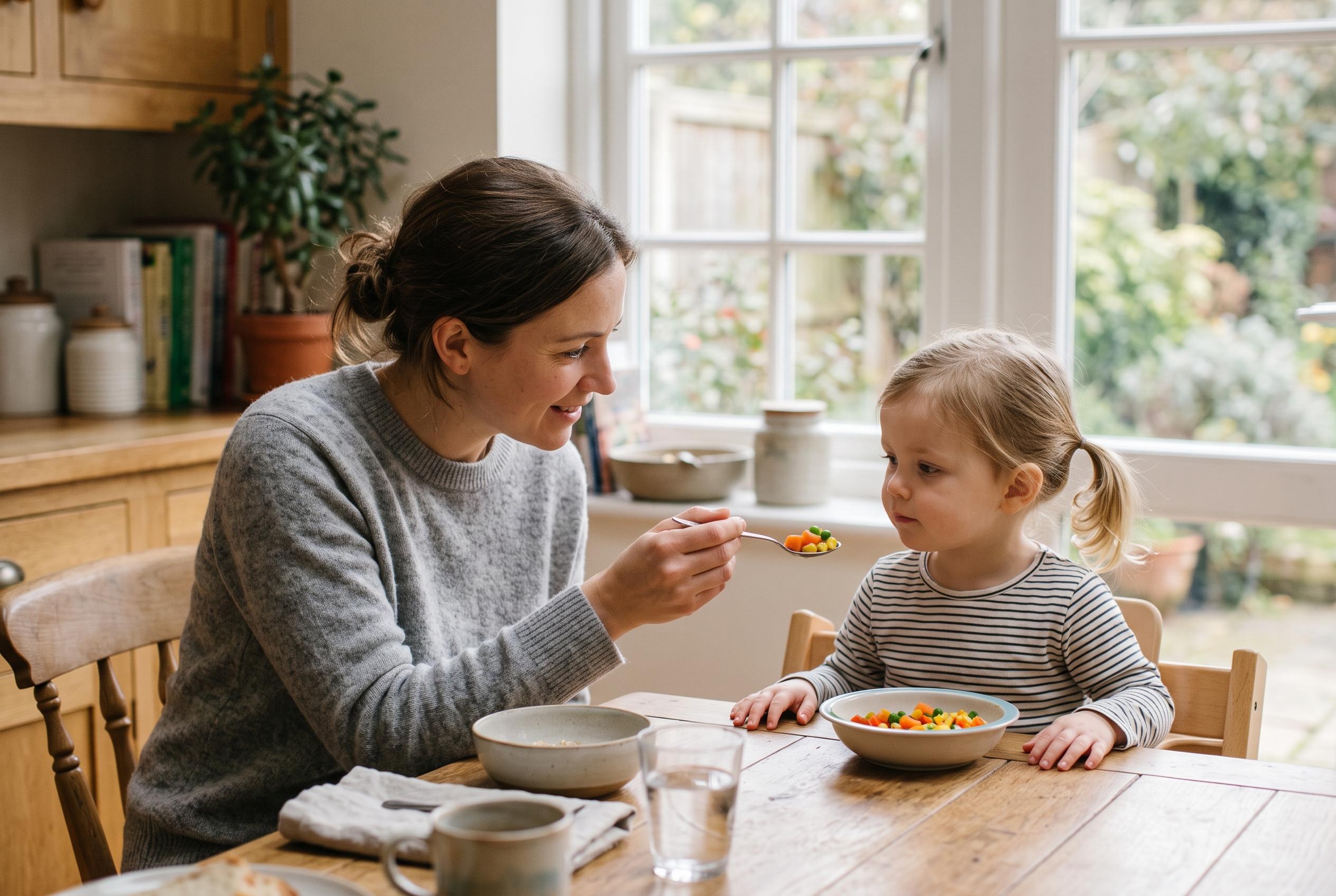

Experts emphasise that early childhood picky eating is normal and suggest strategies focusing on patience, exposure, and role modelling to encourage healthier eating habits without stress or pressure.
Picky eating is often a normal part of early childhood, not a sign that something is seriously wrong. Parents may see a child reject a food after one bite, refuse anything with an unfamiliar texture, or insist on eating the same few items again and again. Registered dietitian Jaclyn Reutens said this kind of behaviour is common in toddlers and pre-school children, and it often reflects a child testing independence as much as taste.
That is why experts say mealtimes should not become a contest. The more pressure children feel, the more likely they are to link a food with stress rather than curiosity. Cleveland Clinic advises parents to stay calm and avoid forcing children to eat, while the American Academy of Pediatrics says children should not be made to clean their plates or turned into unwilling participants in a daily struggle over food.
A more effective approach is to split responsibility clearly. Parents decide what food is offered, when it is served and where it is eaten. Children decide whether they will eat and how much. Reutens said this approach helps children feel secure while giving them room to respond to hunger on their own terms. It also makes it easier for parents to step back when a child refuses a meal without assuming the worst.
Context matters, too. A child who eats little at one sitting may have snacked earlier, been very active, or simply not be hungry yet. Reutens said it is better to look at patterns over time than to judge one meal in isolation. She added that parents should pay attention to warning signs such as low energy, poor growth, difficulty chewing or swallowing, or ongoing stomach pain, which may require medical advice.
Nutrition experts also recommend widening the conversation beyond what a child refuses and focusing on what can be added. Reutens pointed to nutrient-dense foods, which provide more vitamins, minerals and fibre for the calories they contain. That includes colourful fruits and vegetables, whole grains and other foods that pack more nutritional value into smaller servings. She said the aim is not perfection, but to make each bite count.
Exposure matters as much as appetite. Children do not have to swallow a new food for the experience to help; touching, smelling and tasting can all count. Health guidance from the CDC, Cleveland Clinic and HealthyChildren.org all stresses repeated, low-pressure exposure. Some children need to see the same food many times before they accept it, and that process works best when adults keep the mood light.
Parents can also make progress by serving small portions and building from familiar foods. Healthline describes food chaining, a gradual method that moves from foods a child already likes towards similar options. The CDC and the American Academy of Pediatrics also recommend involving children in food preparation, offering a variety of tastes and textures, and keeping meals enjoyable rather than overly controlled. The broader message from paediatric experts is consistent: variety, routine and patience matter more than force.
Setting an example at home helps, too. Children notice how adults react to food, including whether a parent grimaces, dismisses vegetables or praises one meal while criticising another. Reutens and other specialists say parents do not need to pretend to love everything, but they do need to show that trying new food is normal. In practice, that means staying steady, keeping options available and accepting that progress may come slowly.
Disclaimer: This content is for informational purposes only and is not intended to be a substitute for professional medical judgment, advice, diagnosis, or treatment.