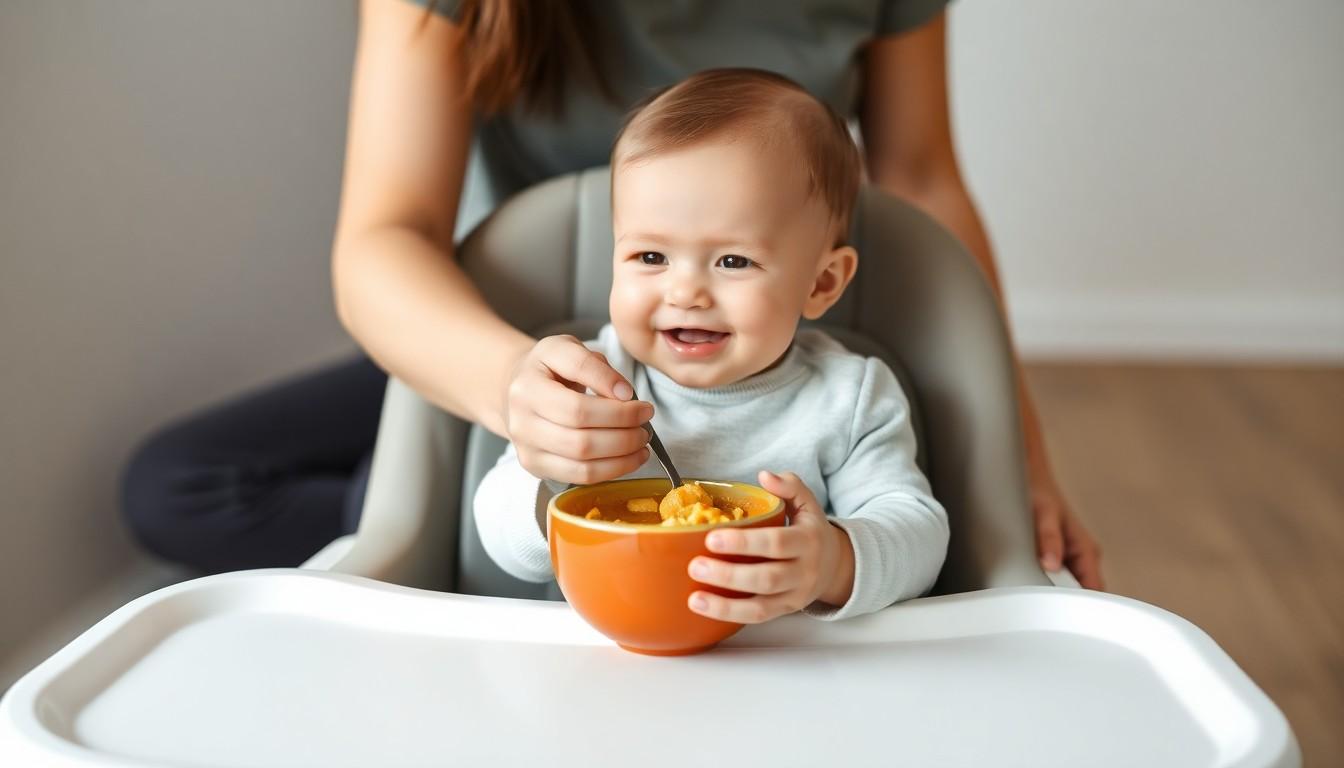

Navigating the chaotic yet rewarding phase of introducing solids to your baby, with expert tips on signs of readiness, safe foods, allergens, and practical tips for a stress-free experience.
Starting solids is one of those milestones that sounds neat in theory and wildly chaotic in practice. In the imagination, a baby sits calmly in a highchair and accepts a spoonful of purée with dignified enthusiasm. In real life, food often ends up in the eyebrows, on the floor and everywhere in between.
Most babies are ready to begin around 6 months, but age alone is not the best guide. Better signs include steady head and neck control, the ability to sit with support, showing interest in food, opening the mouth when offered a spoon and swallowing rather than pushing food straight back out with the tongue. Guidance from Mayo Clinic Press, Gale Care and other paediatric health sources says these developmental clues matter more than the calendar, and that parents should seek advice if they are unsure or if readiness signs are not appearing.
The first foods do not need to be complicated. Iron-rich options are especially useful at this stage, including iron-fortified baby cereal, well-cooked egg, soft meat, beans, lentils, chickpeas, tofu and fish with all bones removed. Soft fruit, cooked vegetables, yoghurt, avocado and porridge can also be offered. Several health sources advise starting with small amounts and allowing the baby to decide how much to take in.
Parents do not need to choose between purées and baby-led weaning as if there were a prize for picking the right camp. Smooth or mashed foods, soft finger foods or a mixture of both can all work, provided the texture is safe. The key is to move gradually towards lumpier textures as the baby’s skills develop. Mess is part of the process, not a sign that anything is going wrong.
Breast milk or infant formula remains the main source of nutrition when solids begin. Early meals are mostly about practice rather than replacing milk feeds. Several paediatric guides say solids are best offered when a baby is alert and calm, rather than overtired or extremely hungry. Cow’s milk should not be used as a main drink before 12 months, although small amounts may be used in food in some settings.
Allergens can usually be introduced from around 6 months, including well-cooked egg, peanut butter, dairy, wheat, soy, fish and shellfish, as long as they are offered in a baby-safe form. Health guidance says these foods should be introduced one at a time and then kept in the diet if tolerated. Whole nuts remain a choking risk, so smooth nut butter should be thinned or spread lightly rather than served in thick spoonfuls. Babies with severe eczema, an existing food allergy or a past reaction to food may need individual advice first.
Gagging is common and can sound alarming, but it is not the same as choking. Choking can be silent, which is why supervision matters. Babies should sit upright while eating and be kept away from hazards such as whole nuts, popcorn, raw or runny egg, grapes served whole and other round or hard foods that need careful preparation. A basic baby first-aid course can help make the whole experience feel less daunting.
The practical setup does not need to be elaborate. A safe highchair, a couple of spoons, an open cup and a bib will do most of the work. Above all, the aim is not perfection. It is to offer suitable food, keep mealtimes relaxed and let a baby learn a completely new skill one messy mouthful at a time.
Disclaimer: This content is for informational purposes only and is not intended to be a substitute for professional medical judgment, advice, diagnosis, or treatment.