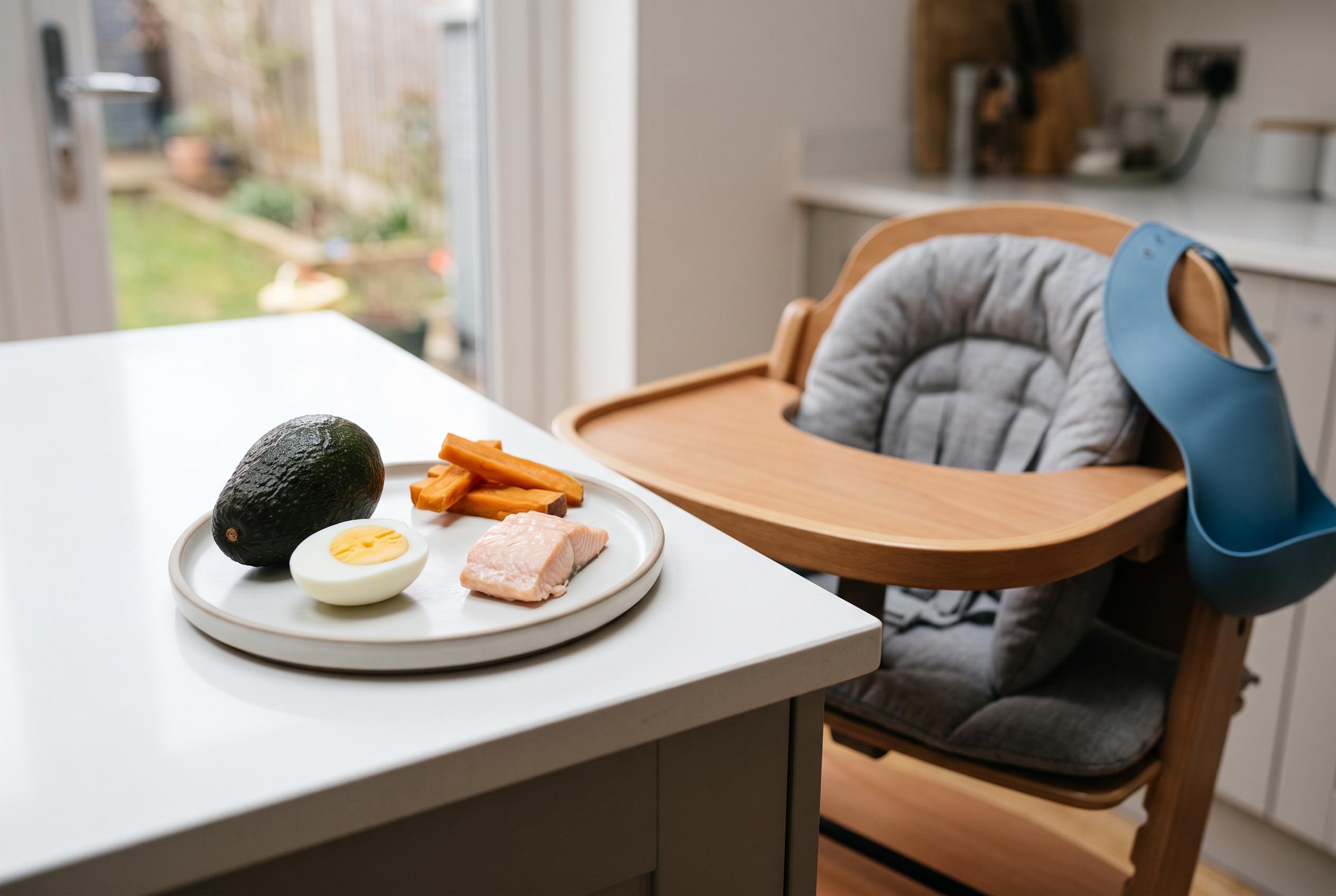

As WHO emphasises the shift from calorie-focused feeding, recent guidance underscores the role of energy-rich, protein and healthy fat foods like avocado, eggs, and fatty fish in supporting babies’ growth from 6 months onward.
During the complementary feeding stage, parents are often advised to think beyond simply adding calories. The goal is to give babies foods that support steady growth, supply key nutrients and fit their age and feeding ability. According to the World Health Organisation, breast milk alone is no longer enough after 6 months, so nutrient-dense foods should be introduced gradually alongside milk feeds.
One of the most useful approaches is to focus on foods that combine energy with protein and healthy fats. Avocado is often recommended because it is naturally rich in fat and easy to mash. Eggs, once fully cooked, provide high-quality protein, while fatty fish such as salmon or sardines add omega-3 fats that support brain development. Healthline and Indonesian health sites also point to red meat, poultry and other protein-rich foods as helpful options when a baby needs extra nourishment.
Dairy foods can also play a role when introduced appropriately. Plain yoghurt and cheese offer protein, fat and calcium, all of which support bone growth and overall development. For energy, simple staples such as potatoes and sweet potatoes can help provide the carbohydrates babies need, while also being soft enough for many infants who are just starting solids. Healthline notes that calorie-dense whole foods are generally preferable to sugary or heavily processed products.
Some foods need extra care. Ground or smooth nut pastes can be useful because they contain protein and healthy fat, but they must be offered in forms that reduce the risk of choking. Liver can also be nutritious in small amounts because it contains iron and vitamin A, though it should not be given in excess. The key is balance: the aim is not rapid weight gain, but healthy growth supported by varied foods.
WHO also stresses that the success of complementary feeding depends on frequency and variety, not just the menu itself. Babies aged 6 to 8 months are generally fed 2 to 3 times a day, with nutritious snacks if needed, then the number of meals rises as they get older. Parents are advised to monitor weight regularly and seek medical advice if growth does not follow the expected curve.
Disclaimer: This content is for informational purposes only and is not intended to be a substitute for professional medical judgment, advice, diagnosis, or treatment.