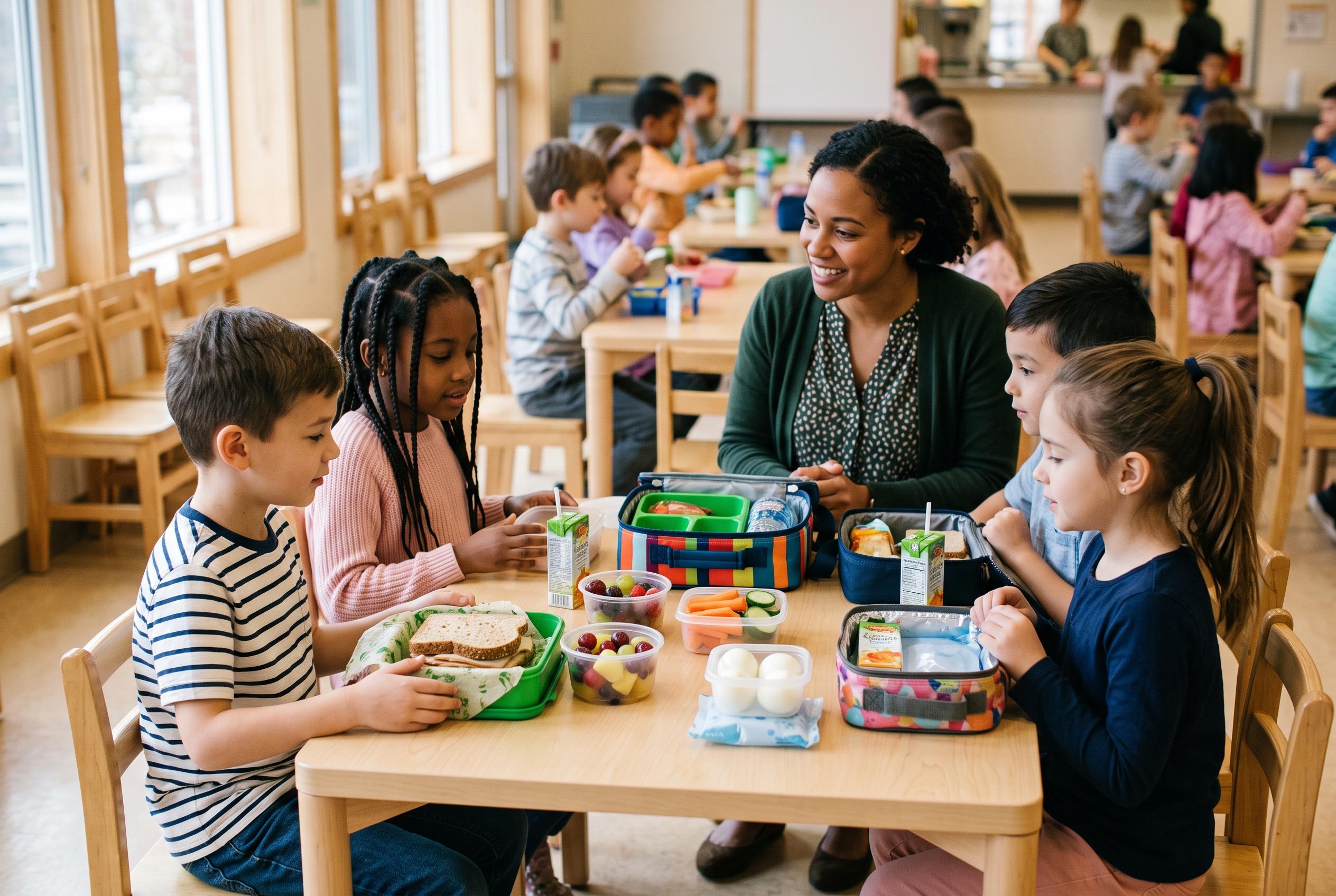

Recent guidelines emphasise that simple, non-perishable foods are safest for packed school lunches, with special attention to time and temperature to prevent bacterial growth and ensure children’s health.
The safest school lunch is not necessarily the most elaborate one, but the one that can survive the journey from kitchen to classroom without becoming a breeding ground for bacteria. According to the USDA’s Food Safety and Inspection Service, the key issue is time and temperature: perishable food should not stay in the so-called danger zone, between 4.4C and 60C, for more than two hours, or one hour if the weather is very hot. The CDC gives the same warning and notes that some bacteria can double in number in as little as 20 minutes when food sits in unsafe conditions.
That means a sandwich made early in the morning and eaten only at lunchtime may already be outside the safe window, especially if it has been left in a warm bag, on a bus seat, or near a sunny window. For parents, the practical lesson is simple: foods that do not need constant refrigeration are the easiest and safest choice for a school bag.
Whole fruit, such as apples, bananas, pears and mandarins, is a reliable option because the skin helps protect it. So are plain crackers, wholegrain bread, cereal bars, dried fruit, nuts and seeds, which have little moisture and are much less likely to spoil quickly. Hard cheeses tend to hold up better than soft, fresh cheeses, while nut and seed butters are also stable enough for a packed lunch.
By contrast, mayonnaise-based sandwiches, soft dairy products, peeled eggs, cooked meat slices and pre-cut fruit or vegetables are more vulnerable if they are left unrefrigerated. The USDA and the CDC both advise that hands should be washed before food is prepared, and Penn State PRO Wellness also recommends washing fruit and vegetables well, using clean utensils, and avoiding reuse of wrapping materials that have already touched food.
If a child does need to carry yoghurt, sliced meat or another perishable item, an insulated lunch bag with a reusable ice pack can help keep food cold for longer. For hot meals, an insulated container is the better option. The same basic rules apply at home: cool cooked food promptly, store leftovers safely, and avoid packing food while it is still steaming, because trapped moisture can create conditions that bacteria like.
A sensible lunch box usually combines a protein, a filling carbohydrate, a fruit or vegetable, and water. In practice, that can be as simple as a cheese sandwich on wholegrain bread, a whole apple, a handful of nuts, and a bottle of water. The aim is not culinary spectacle, but a meal that is still safe, and still appetising, when the school bell rings.
Disclaimer: This content is for informational purposes only and is not intended to be a substitute for professional medical judgment, advice, diagnosis, or treatment.