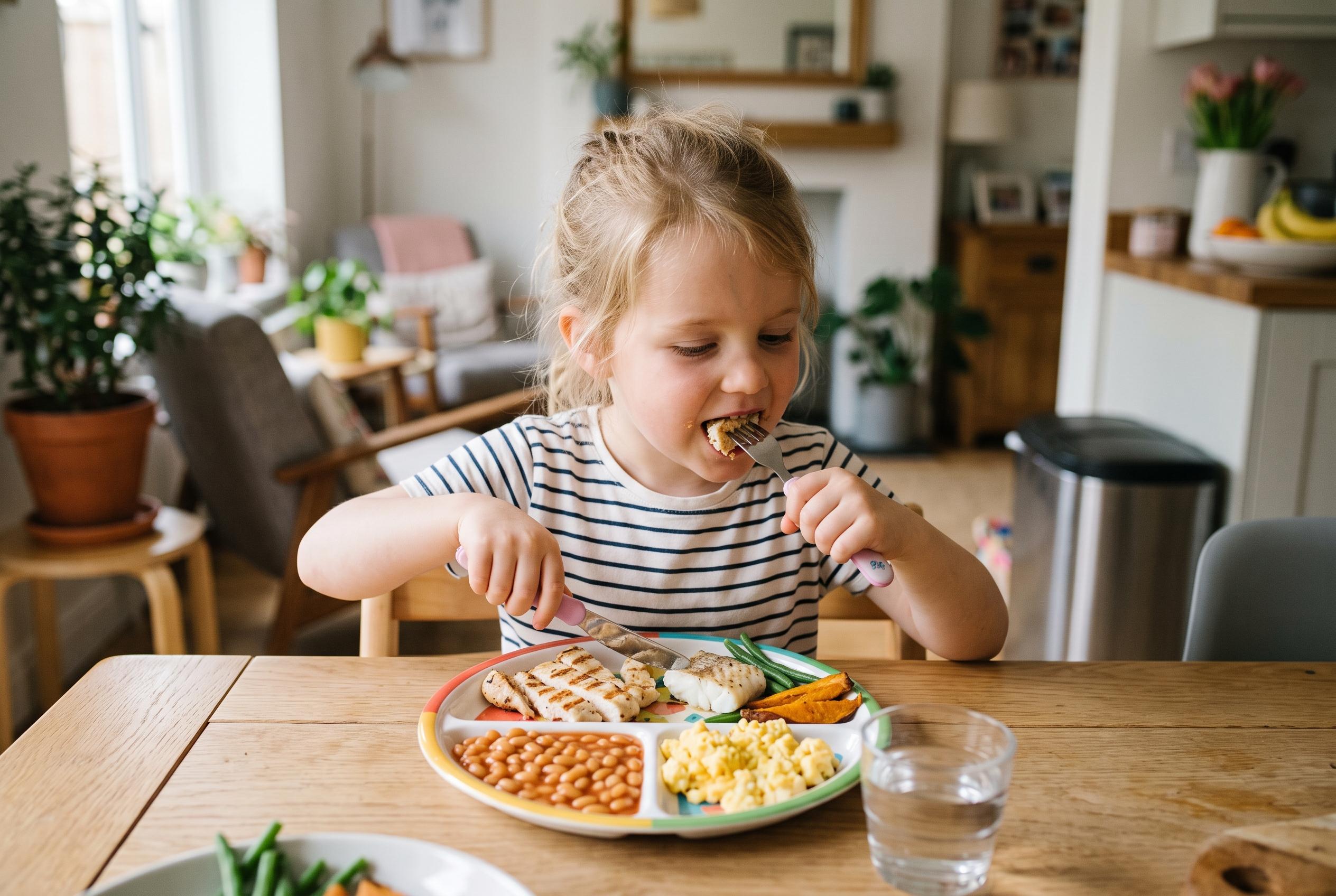

Experts highlight the importance of spreading protein sources across meals for children’s development, cautioning against unnecessary supplements and stressing variety for optimal growth.
Protein matters just as much for children as it does for adults, but the role it plays is often easier to overlook in younger diets. It helps provide the building blocks for growth, supporting muscles, skin and other tissues as children move through rapid stages of development. Cleveland Clinic says protein is only one part of a healthy pattern, but it remains an important one alongside carbohydrates, fats, vitamins and minerals.
For most children, the answer is not more protein but enough variety. Lean meat, chicken, fish, eggs, milk, yoghurt and cheese are all straightforward sources, while beans, lentils, chickpeas, tofu, nuts and seeds can do the job too. The trick, according to Cleveland Clinic and Mayo Clinic guidance, is to spread protein across the day through regular meals and snacks rather than trying to load it all into one plate.
How much a child needs depends on age. The Australian and New Zealand Nutrient Reference Values put daily protein at 14 grams for ages 1 to 3, 20 grams for ages 4 to 8, 40 grams for boys aged 9 to 13 and 35 grams for girls in the same age group. Other medical guidance also notes that older children and teenagers may need more, especially as body size and activity levels rise.
Parents dealing with picky eating do not need to turn every meal into a nutrition battle. Practical options include yoghurt with fruit, hummus with crackers, egg in a sandwich or peanut butter on wholegrain toast. Experts caution that extra protein supplements are usually unnecessary for healthy children and can be unhelpful if they crowd out other foods, while a balanced diet remains the safest and simplest approach.
Disclaimer: This content is for informational purposes only and is not intended to be a substitute for professional medical judgment, advice, diagnosis, or treatment.