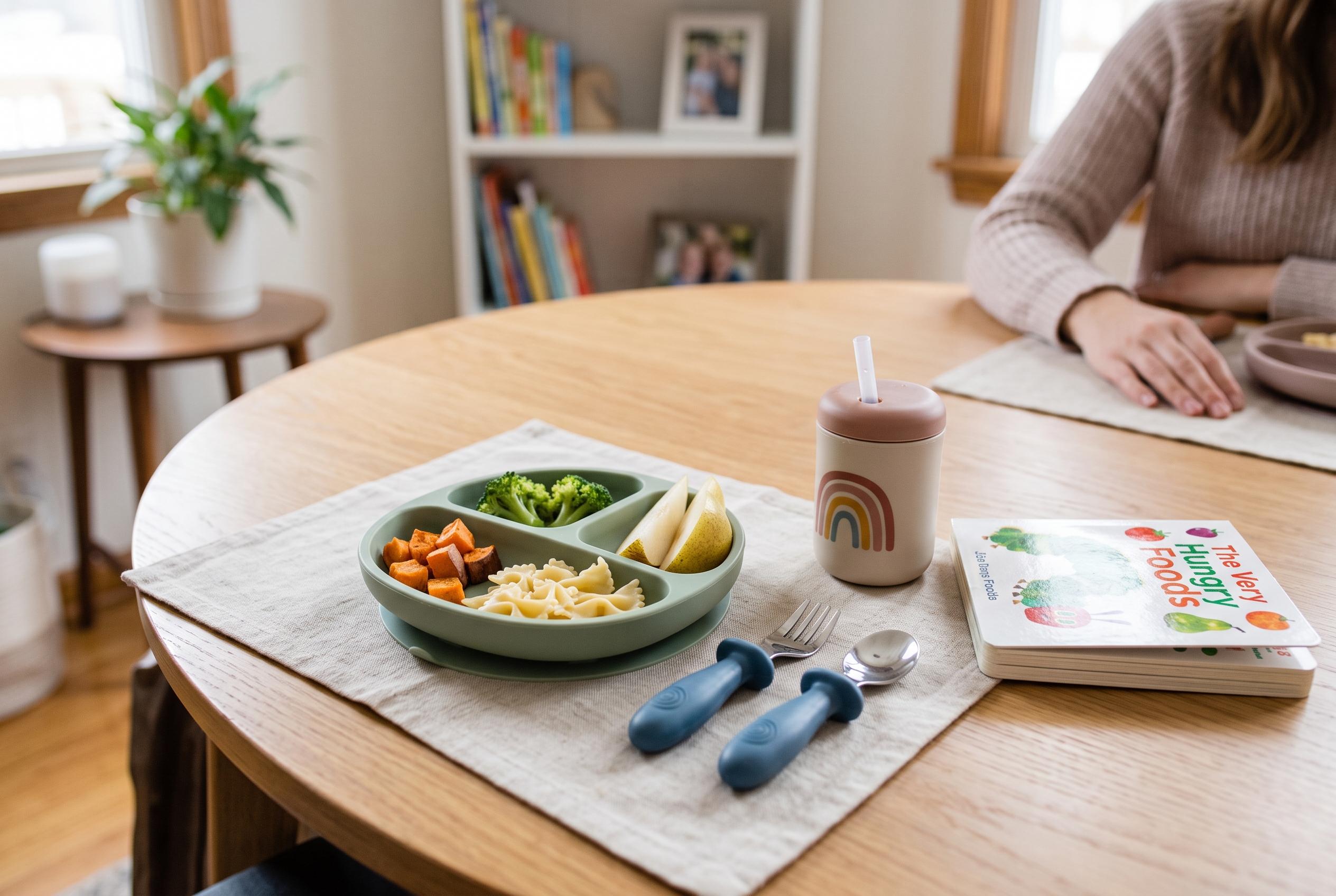

Health expert Ruth Watts and NHS guidance emphasise avoiding pressure and making mealtimes stress-free to encourage healthy eating habits in toddlers amid common refusal of foods.
Toddlers refusing food, spitting out vegetables or suddenly rejecting a favourite meal is often part of normal development, and child health guidance says it is usually not a cause for alarm. According to the NHS, many children eat erratically from day to day, so parents are better off looking at what a child eats over the course of a week rather than worrying about one difficult meal. The key test is whether the child is active, gaining weight and generally well.
That wider context matters because, as registered health visitor Ruth Watts told her Instagram followers, some common dinner-table habits can make the problem worse. Watts said parents should avoid pressure, bargaining and constant commentary about what is on the plate. In her view, turning broccoli into a battle or a dessert into a prize can give certain foods an unhealthy status and make children more determined to resist them.
Specialist advice from the NHS and other child health guides broadly backs that approach. Parents are encouraged to offer a range of foods without forcing them, keep mealtimes calm and enjoyable, and serve familiar food alongside new options so children have something they recognise. Experts also say repeated exposure helps: a child may need to see a new food many times before accepting it.
Watts also pointed to portion size, saying many parents serve too much food, especially in the evening. Smaller servings can reduce pressure and make the plate feel less overwhelming, while family conversation at the table can help shift the focus away from policing every bite. Child health advice similarly suggests eating together when possible and avoiding mealtime distractions, while trusting that a toddler’s appetite often reflects a normal stage rather than a parenting failure.
Disclaimer: This content is for informational purposes only and is not intended to be a substitute for professional medical judgment, advice, diagnosis, or treatment.