
Parents are urged to monitor iron intake in young children amid recent toddler death cases in Queensland and ongoing worries about widespread iron deficiency affecting energy, growth, and learning.
Parents unsettled by the recent deaths of three toddlers in Queensland linked to low iron levels have reason to pay closer attention to a nutrient that is easy to overlook in early childhood. Life-threatening iron deficiency is rare, but iron shortage itself is one of the most common deficiencies in young children, and it can affect energy, growth, learning and immunity.
Iron helps the body move oxygen and is especially important in the first years of life, when the brain and body are developing quickly. Health authorities including the CDC say too little iron can lead to anaemia, a condition in which the blood cannot carry oxygen efficiently, and may also affect learning and development.
The warning signs can be subtle. Toddlers with low iron may seem tired, pale, irritable or less interested in food. Some may grow more slowly or lose enthusiasm for play. In some cases, children develop pica, a craving for non-food items such as dirt or paper. As Mayo Clinic notes, these symptoms are not specific to iron deficiency, which is why doctors rely on blood tests rather than appearance alone.
A typical check looks at ferritin, which reflects iron stores, and haemoglobin, which shows whether deficiency has progressed to anaemia. That distinction matters because a child can run low on iron long before blood counts change. If parents are worried about diet, growth or behaviour, clinicians generally advise speaking with a GP, child health nurse or accredited practising dietitian.
Diet is often the key factor. Large amounts of cow’s milk can crowd out other foods and increase the risk of deficiency, because milk contains little iron. Australian guidance says milk after 12 months should be limited to about 500 millilitres a day, while children continue to eat a broad range of foods. Breastfeeding remains beneficial into the second year and beyond, but breast milk alone no longer meets iron needs once babies are around six months old.
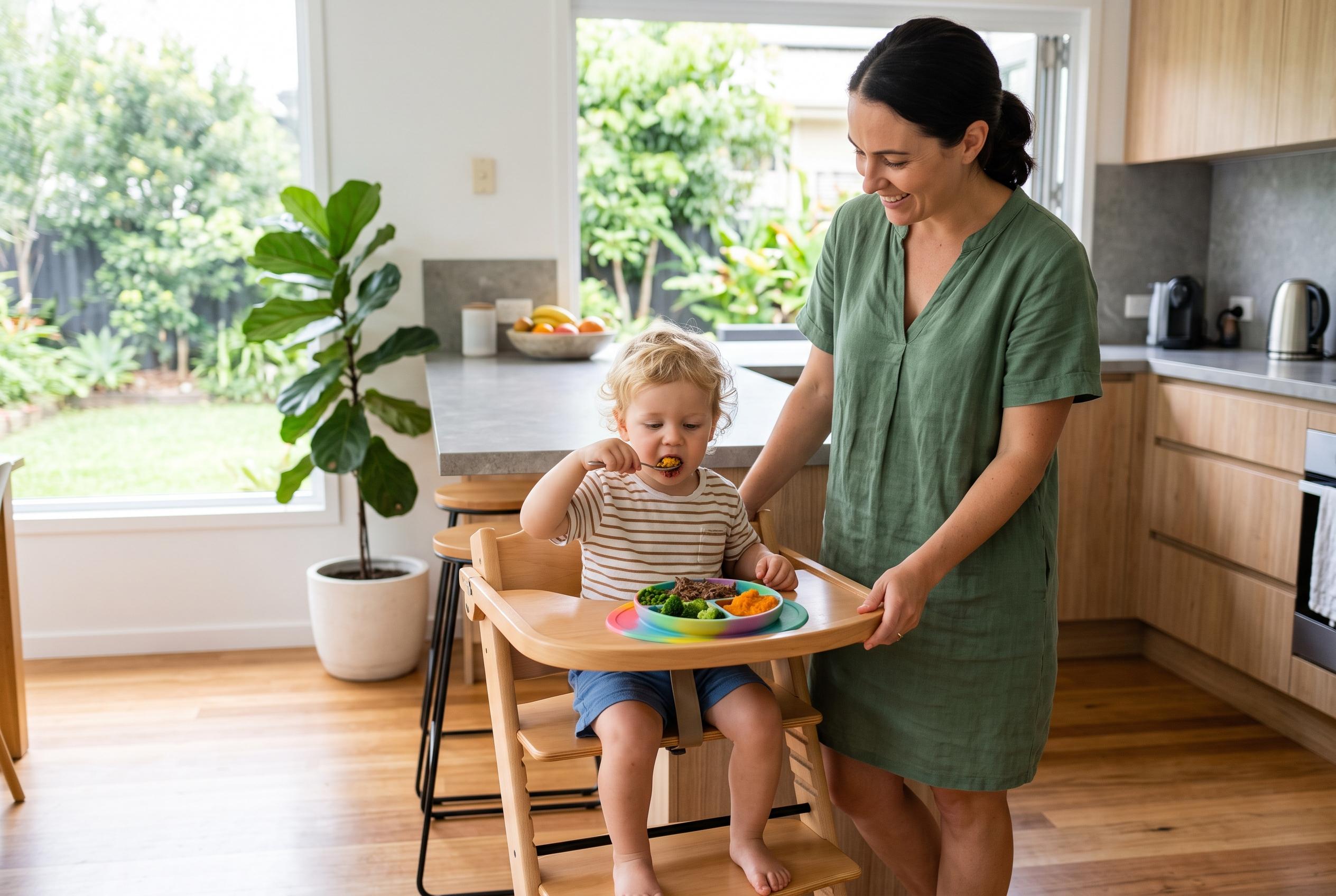
That is why iron-rich complementary foods matter so much. Lean red meat, chicken, fish, eggs, beans, chickpeas, tofu and iron-fortified cereals all help, and foods with vitamin C, such as strawberries, kiwi fruit or capsicum, can improve absorption from plant-based sources. The CDC and Mayo Clinic both stress that prevention is usually straightforward: offer varied meals, keep milk in check and seek medical advice if concerns persist.
For most families, the message is not alarm but consistency. A toddler who eats a mixed, balanced diet will usually get enough iron. When uncertainty remains, a simple blood test can clarify the picture and guide treatment before deficiency becomes more serious.
Disclaimer: This content is for informational purposes only and is not intended to be a substitute for professional medical judgment, advice, diagnosis, or treatment.