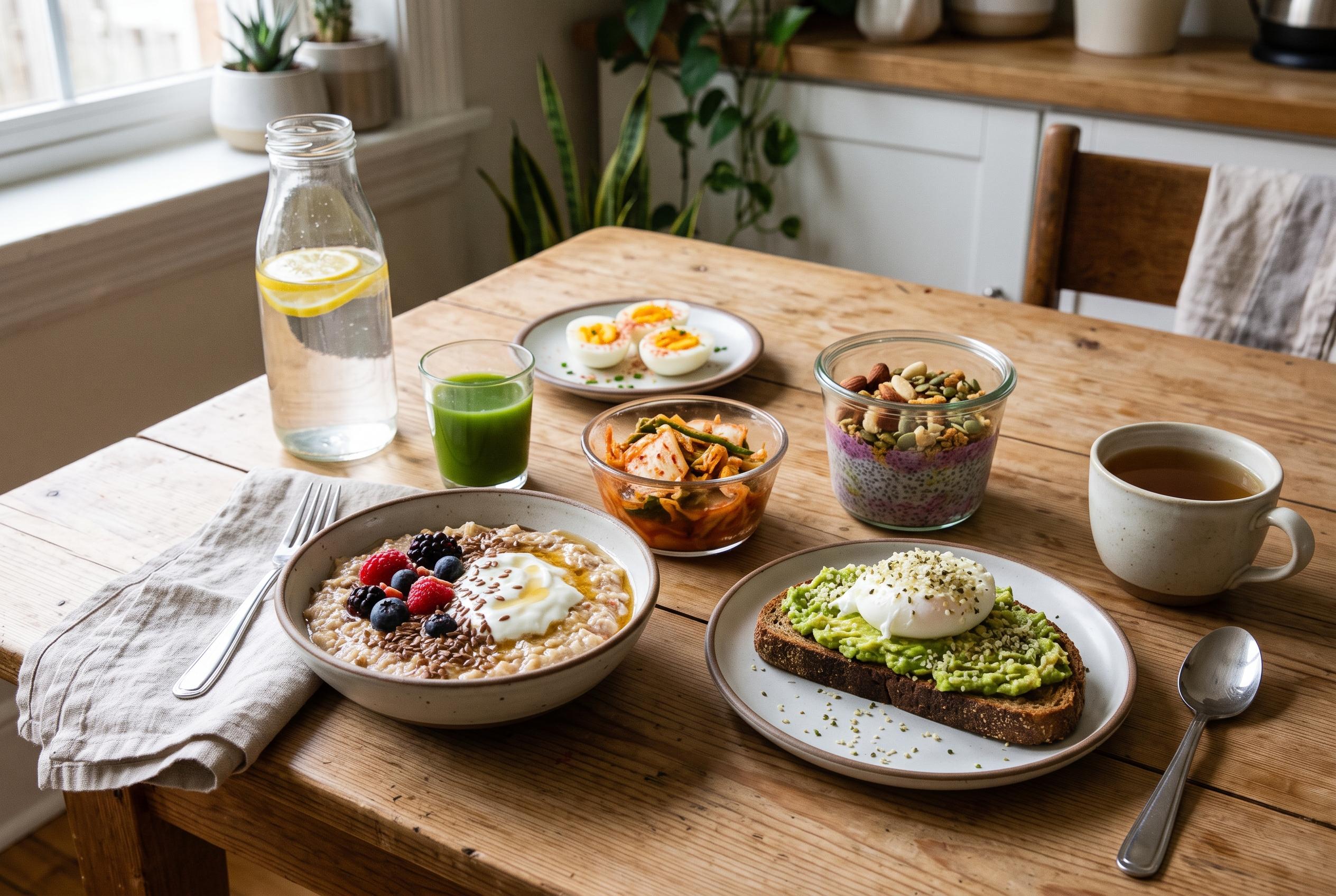

Innovative breakfast options focusing on fibre, fermented foods, and proteins are gaining attention for supporting a resilient gut microbiome, according to recent research and nutrition experts.
A breakfast built around fibre, protein and fermented foods can give the gut microbiome a useful start to the day, according to Focus and supporting nutrition research. The idea is simple: feed the beneficial bacteria that help keep digestion steady and the gut environment balanced. Fibre acts as a major fuel source for those microbes, while varied plant foods help support a more resilient microbiome, the Mayo Clinic Press says. Research published in the Proceedings of the Nutrition Society has also linked dietary fibre with the growth of helpful bacteria such as Bifidobacterium and Lactobacillus, which are associated with anti-inflammatory effects and metabolic regulation.
That is why the breakfast ideas highlighted by Focus lean heavily on oats, seeds, fruit, yoghurt and kefir. A microbiome muesli combines oats, berries or other fruit, natural yoghurt or kefir, flaxseed, chia, psyllium husk, nuts and hemp seeds, with optional acacia fibre or another prebiotic powder. A gluten-free yoghurt porridge uses oats, oat bran, yoghurt, berries and walnuts. Both meals aim to deliver fibre, live cultures and healthy fats in a form that is easy to prepare and likely to keep hunger at bay for longer.
The third recipe takes a savoury route: skyr topped with lightly roasted vegetables and kimchi. Focus presents it as a way to bring together protein, fibre and probiotic bacteria in one bowl. That combination reflects a broader nutrition principle seen in the research, where fermentable fibre supports bacterial activity and the production of short-chain fatty acids, compounds that are important for gut health.
The article also warns against common breakfast choices that can work against those goals. Highly sugary cereals, sweetened fruit yoghurts, pastries and other heavily processed baked goods may cause sharp rises in blood sugar and offer little benefit to the microbiome. Skipping breakfast altogether may also backfire for people who feel hungry in the morning, while rushing through a meal can add unnecessary strain to digestion. Heavy, greasy foods, including large portions of red meat at breakfast, are better avoided if the aim is to start the day with a lighter load on the gut.
Disclaimer: This content is for informational purposes only and is not intended to be a substitute for professional medical judgment, advice, diagnosis, or treatment.