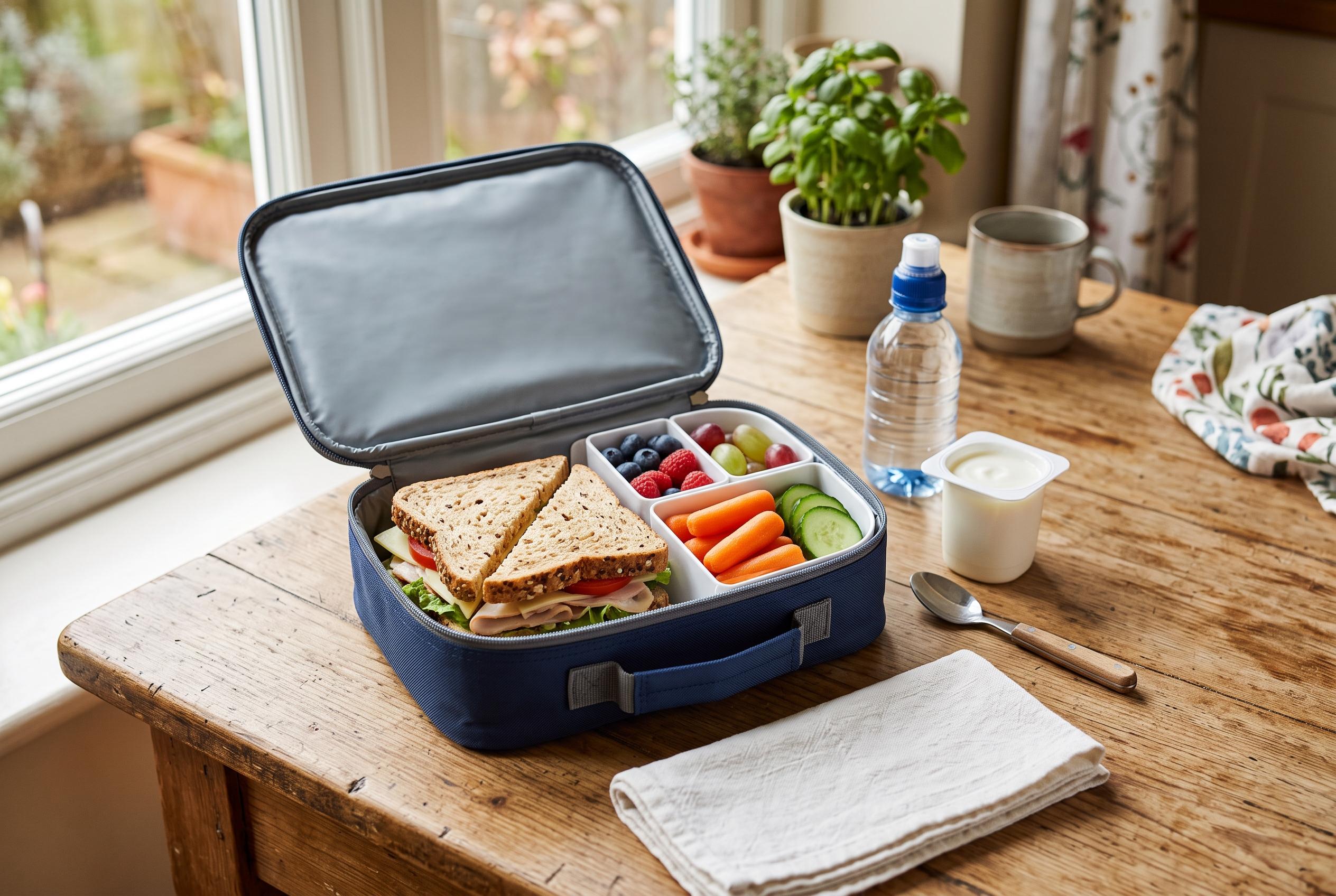

Parents aiming for nutritious school lunches face the challenge of making food appealing and consumable. Experts suggest that simplicity, familiarity, and involvement can make lunchtime a success, proving you don’t need elaborate ideas to feed children well.
Packing a school lunch can feel like a daily exam, with parents left wondering whether they have chosen the right foods, made it nutritious enough and kept it appealing enough for a child who may only have a few minutes to eat. But for many families, the more important question is simpler: will the child actually eat it?
For one mother writing for New Orleans Mom, that meant accepting that a lunch does not need to be elaborate to be successful. Her son prefers familiar foods, and she says the relief came when she stopped trying to turn every lunch into something inventive or picture-perfect. A ham sandwich, fruit and a favourite snack may not look especially impressive, but if they come home uneaten, they have not done the job.
That practical approach aligns with advice from Johns Hopkins Medicine, which says parents of picky eaters often do better by keeping lunchboxes fun but not unfamiliar. The hospital recommends using colour and simple presentation to make food more inviting, while also avoiding the mistake of introducing brand-new items at lunchtime, when children may be least willing to try them.
Scripps Health also advises parents to keep school lunches straightforward and affordable, and to involve children in the process when possible so they feel some ownership over what is packed. Other experts say the same basic principle applies even more strongly in school settings, where children have limited time to eat and foods can change in texture by midday. My Fussy Eater notes that safe, familiar foods are often the most reliable choice for picky eaters, while UChicago Medicine suggests that adding fibre-rich fruit and vegetables can help make lunches more balanced without making them complicated.
There is also a practical reason to keep expectations realistic: school lunches have to work within classroom rules, including allergy restrictions. That can rule out the easiest option on a busy morning, especially in nut-free settings. In the end, the message from both parents and child health guidance is similar: a lunch does not have to be fancy to be good. If it is packed with care, fits the school’s rules and gets eaten, that is enough.
Disclaimer: This content is for informational purposes only and is not intended to be a substitute for professional medical judgment, advice, diagnosis, or treatment.