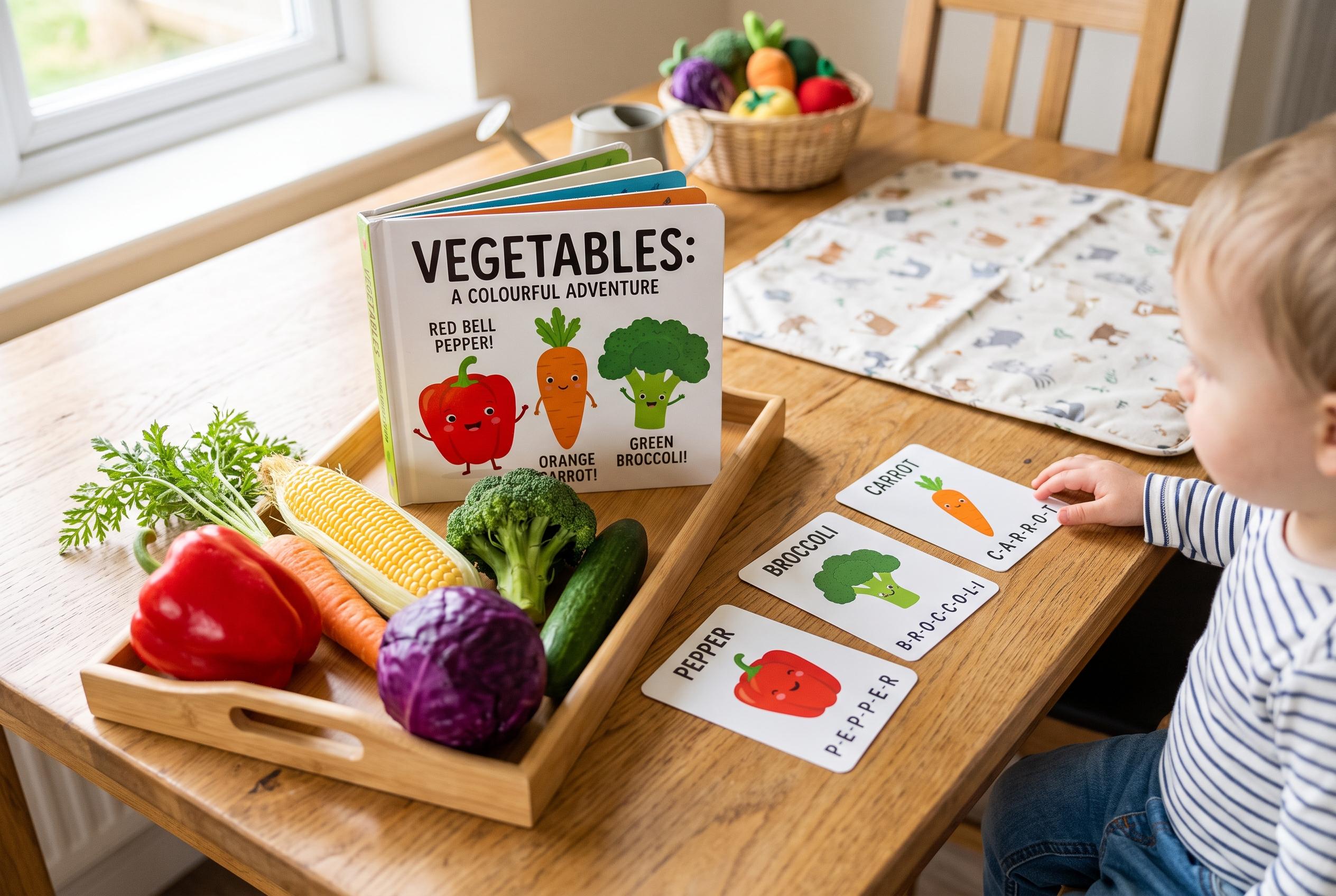

Teaching kids vegetable names not only enhances vocabulary but also fosters healthier eating habits and a deeper understanding of nutrition, variety, and cultural food knowledge.
Teaching children the names of vegetables can do more than expand vocabulary. It can also make food more familiar, help them recognise ingredients on their plate and encourage healthier eating habits early on. A broad list of vegetables, from avocado and asparagus to zucchini and yuca, gives children an accessible way to learn both everyday words and the idea that vegetables come in many shapes, colours and tastes.
That variety matters. Healthline says carrots are rich in beta-carotene, which the body turns into vitamin A, and also provide fibre, potassium and antioxidants. The same source notes that beetroots supply fibre, vitamins, minerals and nitrates that may support blood flow, while broccoli offers vitamins C, K and B9, along with compounds such as sulforaphane that have been linked to anti-inflammatory effects. In other words, learning vegetable names is a first step towards learning why different vegetables belong in a balanced diet.
The educational value is matched by the practical one. Harvard Health has said that eating around five servings of fruits and vegetables a day is associated with the strongest health benefits, including better heart health and a lower risk of chronic disease. Mayo Clinic Health System also recommends “eating the rainbow”, meaning a mix of red, orange, yellow and green produce to capture a wider range of nutrients. That makes alphabet-based vegetable lists especially useful for children, because they can be tied to colour, taste and simple cooking ideas.
The list itself shows just how wide the category is. Some entries are familiar kitchen staples, such as potato, onion, tomato, cucumber, cabbage and spinach. Others are less common but still useful for building food awareness, including kabocha squash, jicama, nori, watercress and romanesco broccoli. For young learners, this kind of range can turn vegetables from an abstract school topic into something concrete and memorable.
The article also highlights a simple truth: vegetables are not all the same. Some, like broccoli and cabbage, are leafy or flowering plants. Others, such as beetroot, carrot and radish, are roots. Then there are gourds, beans, tubers and herbs, each with its own texture and culinary use. That variety can make meals more interesting and can also help children understand that food is both science and culture.
For families and teachers, the list works best as a starting point rather than an end point. Children can be encouraged to name vegetables at the market, sort them by colour or type and talk about how they are cooked. With that approach, vocabulary learning becomes part of everyday life, and vegetables become more than a lesson: they become familiar, useful and worth eating.
Disclaimer: This content is for informational purposes only and is not intended to be a substitute for professional medical judgment, advice, diagnosis, or treatment.