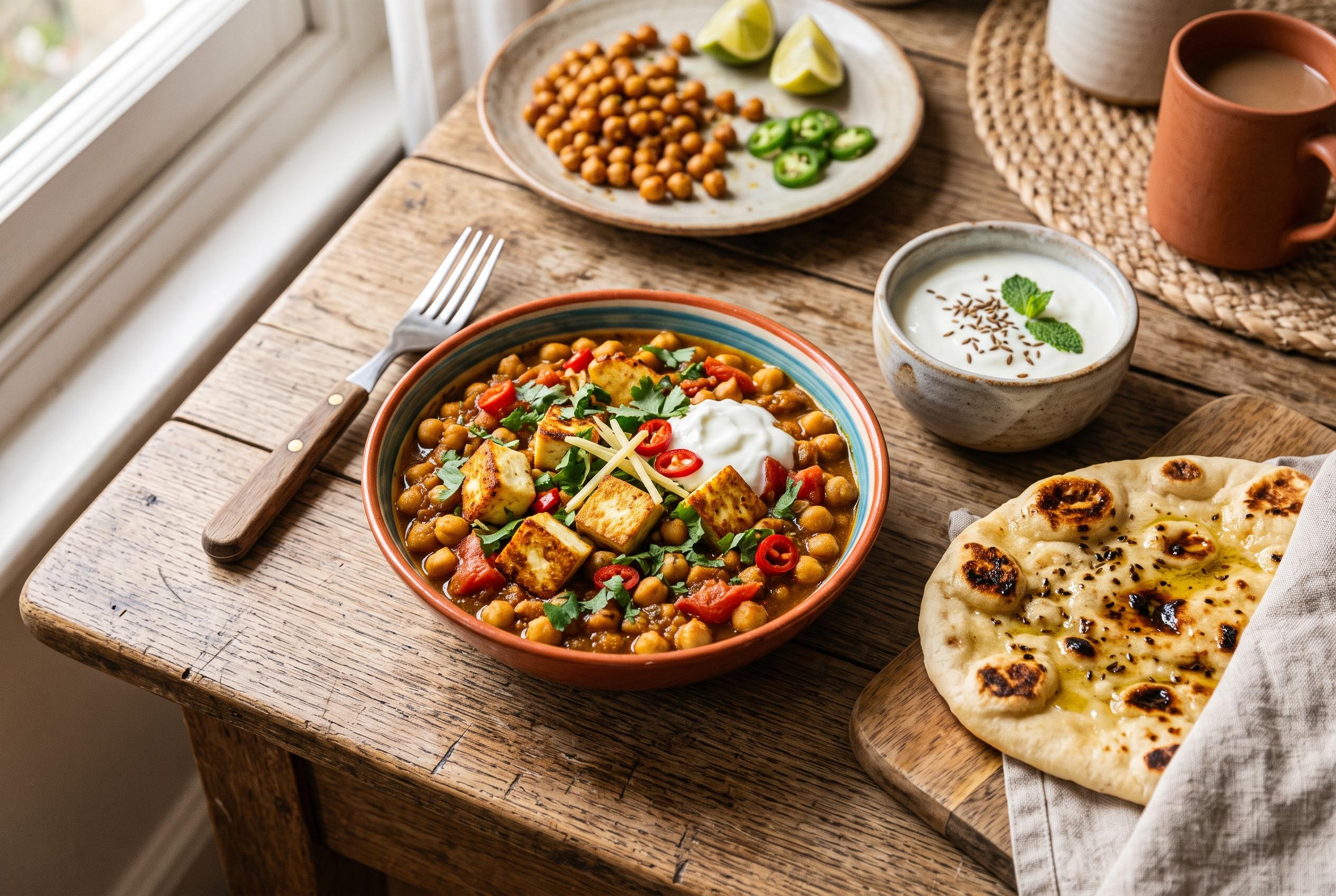

New chickpea and paneer recipes offer a tasty, protein-rich start to the day, supporting muscle repair and hunger management for busy, active individuals.
Chickpeas and paneer can make a simple breakfast far more filling, especially for people who want more protein at the start of the day. Chickpeas bring protein, fibre, iron and folate, while paneer adds protein and calcium, a combination that can support muscle repair and help keep hunger at bay for longer, according to the material shared by TV9 Hindi and medical sources on chickpea nutrition.
One easy option is a chickpea-paneer cheela. Soaked chickpeas are blended and mixed with paneer, onion, tomato and mild spices, then spread on a hot pan and cooked on both sides with a little oil. The result is a savoury pancake that is higher in protein than many standard breakfast dishes and can be useful for active people trying to meet daily nutrition goals.
A chickpea-paneer sandwich is another quick choice. The chickpeas are lightly mashed and combined with paneer, onion, tomato and fresh coriander, then tucked between slices of whole wheat bread and toasted until crisp. A chickpea-paneer salad works even faster: boiled chickpeas and cubed paneer are tossed with cucumber, tomato, onion, lemon juice and a little black salt for a no-cook meal that still delivers protein and fibre.
For those who want something more substantial, chickpea-paneer tikki is a practical option. Mashed chickpeas are mixed with grated paneer, onion, coriander and spices, shaped into small patties and cooked on a lightly oiled pan until crisp. Healthline, Cleveland Clinic and WebMD all note that chickpeas are rich in protein and fibre and can support digestion, blood sugar control and weight management, while paneer adds extra protein and calcium. The main caution from the TV9 Hindi piece is to keep the oil, salt and butter modest and to use fresh paneer.
Disclaimer: This content is for informational purposes only and is not intended to be a substitute for professional medical judgment, advice, diagnosis, or treatment.