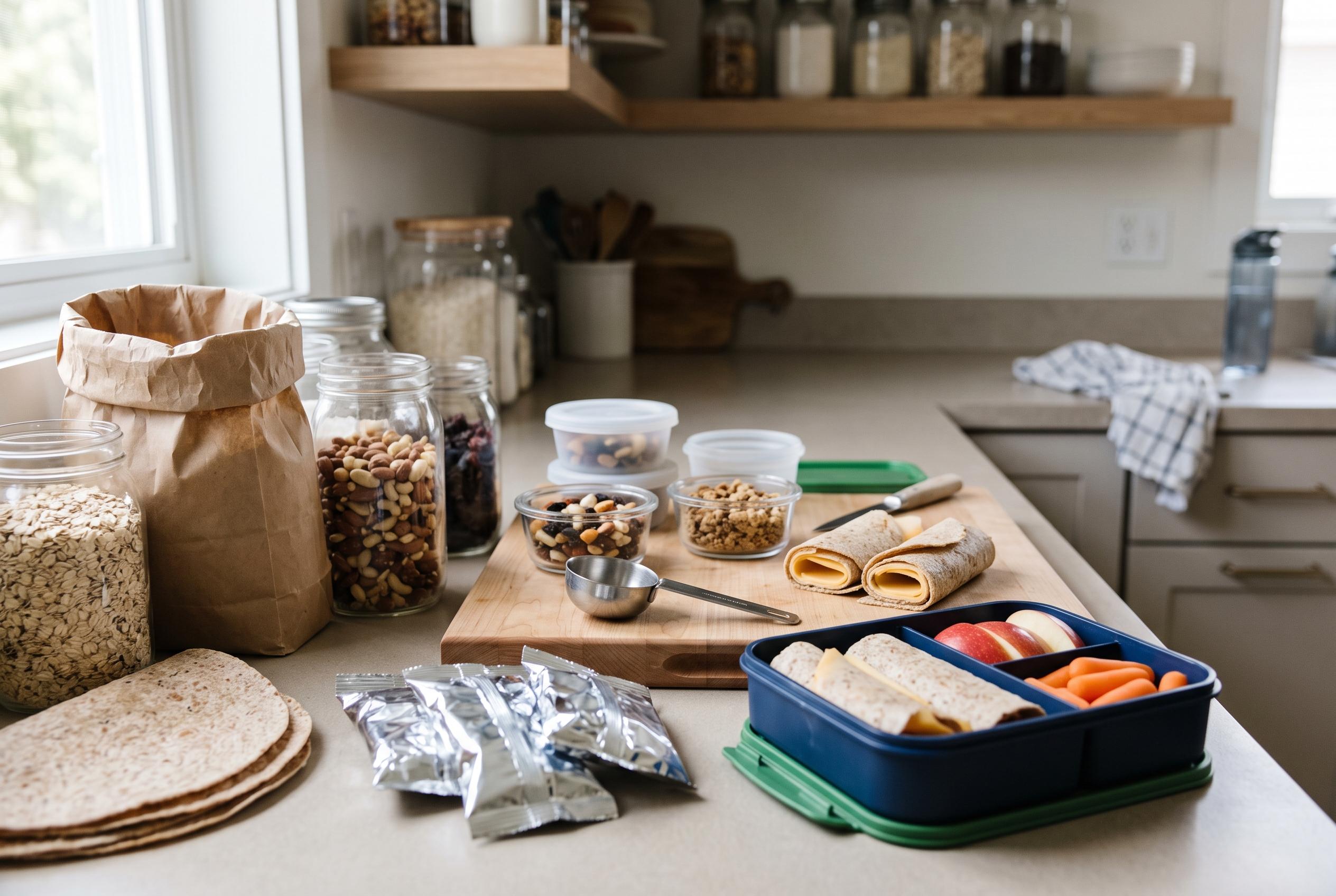

Parents can significantly reduce their grocery expenses for school lunches by adopting simple habits like buying in bulk, pre-portioning snacks, and simplifying lunch choices, proving that planning out meals is more cost-effective than relying on pricey multipacks and processed foods.
Parents trying to trim back-to-school spending can make a surprisingly quick dent in the grocery bill by moving away from single-serve snack packs and towards a few simple habits that deliver the same convenience at lower cost. The core idea is straightforward: buy in larger quantities, portion food at home, and use ingredients that do not come wrapped in individual plastic sleeves.
One of the easiest changes is to spend a little time at the weekend pre-portioning bulk snacks into reusable containers. That approach keeps mornings fast while avoiding the premium built into multipacks of crackers, nuts, dried fruit and similar items. It also works well with fresh produce. GoodRx says shoppers can often save by buying seasonal fruit and vegetables in bulk, while seasonal produce guides note that prices usually fall when crops are at their peak, especially when local supply is strongest.
Homemade baking can also replace some of the pricier packaged lunchbox staples. A batch of oat bars, muffins or savoury crackers can cover several days’ worth of snacks while giving families more control over sugar, salt and ingredients. For main lunches, a vacuum-insulated flask can turn leftovers into a practical alternative to pre-made frozen meals or processed sandwich fillings.
Dairy is another area where the smaller pack is rarely the cheaper one. Large tubs of yoghurt and blocks of cheese usually cost less per serving than individual pots or wrapped sticks, especially when they are divided at home. The same logic applies to pantry basics such as popcorn kernels, nut butters and whole-grain bread, which can be mixed and matched into different snack combinations without relying on branded snack products.
The final step is to simplify the lunch itself. Rather than chasing social-media-style lunchbox perfection, many families can save by sticking to a basic formula of one protein, one piece of fruit and one inexpensive snack. The article’s wider message is that a bit of planning beats convenience pricing: once parents know what their children actually eat, they can cut waste, reduce packaging and keep school-day meals far more affordable.
Disclaimer: This content is for informational purposes only and is not intended to be a substitute for professional medical judgment, advice, diagnosis, or treatment.