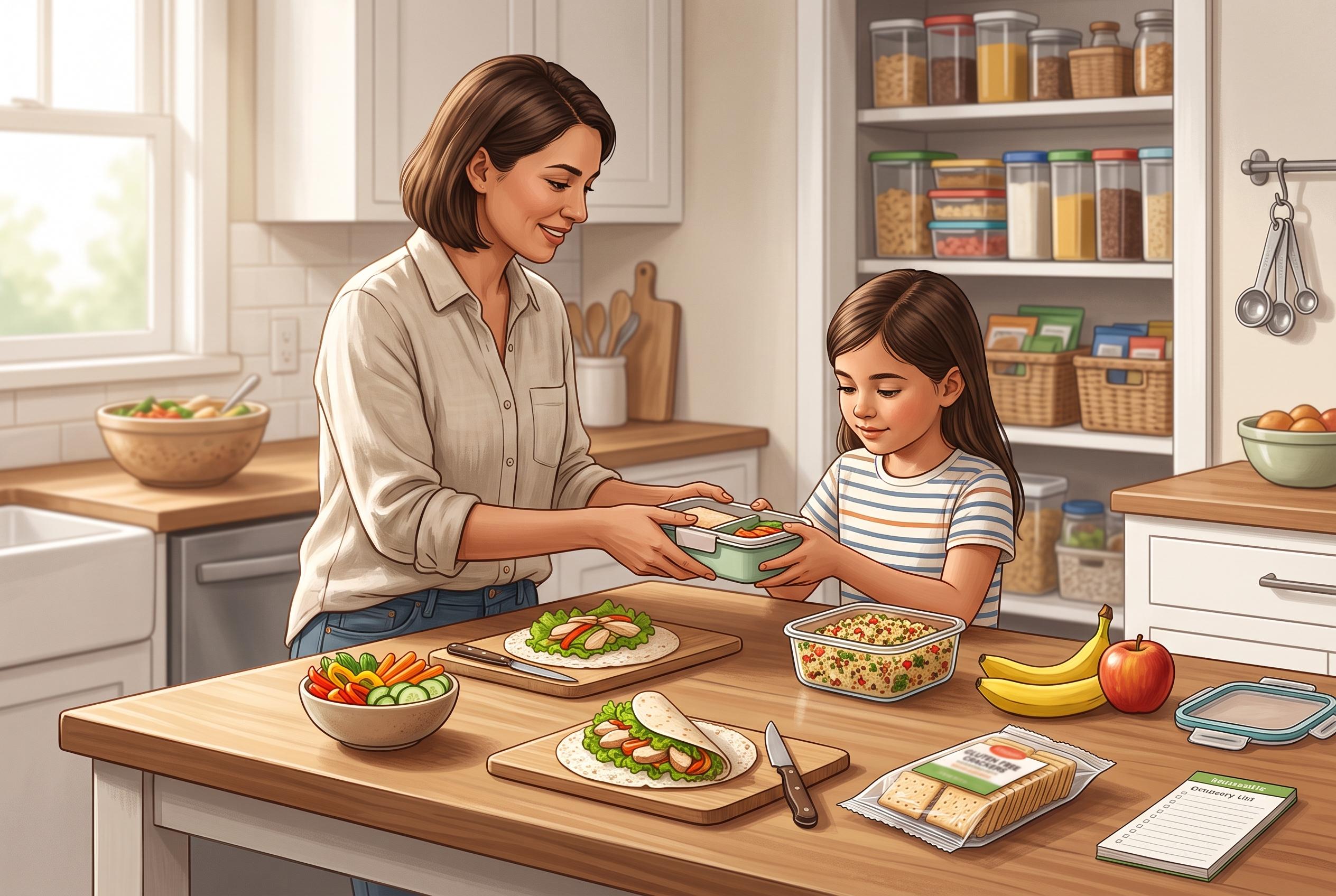

Implementing a gluten-free diet for children with coeliac disease or wheat allergies can be manageable with strategic meal planning, careful shopping, and inclusive practices to keep children healthy and happy.
Going gluten-free with children can feel daunting at first, but it becomes much more manageable when families focus on what still works rather than what has been removed. Gluten is found in wheat, barley and rye, so the first step is to build meals around foods that are naturally safe, such as fruit, vegetables, eggs, dairy, beans, rice, potatoes, quinoa and plain meat or fish. The American Academy of Pediatrics says families often find it easiest to shop around the edges of the supermarket, where fresh produce, dairy and unprocessed proteins are usually found.
For children who must avoid gluten because of coeliac disease or a wheat allergy, careful label reading matters. Gluten can turn up in unexpected places, including sauces, soups, seasonings and processed meats, and not every wheat-free product is truly gluten-free. Children’s Hospital of Orange County and Beyond Celiac both stress that parents should check ingredient lists every time they shop, because recipes and formulations can change. Oats also deserve caution because of the risk of cross-contamination during processing.
A gradual transition often works better than a complete pantry overhaul. Families can start with familiar meals and swap in gluten-free versions one at a time, such as trying different breads, pastas or crackers until a child finds one they accept. That approach can be especially helpful for selective eaters, who may struggle with new textures or tastes. Brain Balance’s guidance also encourages involving children in small choices, such as picking a snack or helping prepare a meal, so the change feels less like a restriction and more like a routine.
Nutrition should stay front and centre. Removing gluten does not automatically make a diet balanced, and some gluten-containing grains provide fibre, iron and B vitamins that children still need from other sources. Health systems including the American Academy of Pediatrics recommend leaning on a wide mix of nutrient-rich foods, including gluten-free whole grains, fruit, vegetables, dairy or fortified alternatives, healthy fats and protein. If a child eats only a narrow range of foods, a dietitian can help fill any gaps.
Daily life outside the home takes extra planning, especially at school, parties and restaurants. National Celiac Association says some households choose to keep the whole family gluten-free to reduce mistakes, but a mixed kitchen can also work if gluten-containing and gluten-free foods are stored and prepared separately. Families should ask about cross-contact in restaurants and consider sending a safe snack or cupcake to birthday parties so a child is not left out.
The broader message from paediatric and coeliac-focused sources is simple: make gluten-free eating safe, but also keep it realistic. Parents do not need to make every meal from scratch or replace every favourite food at once. A child who feels included, well fed and understood is more likely to adapt successfully than one who is constantly being told what they cannot have.
Disclaimer: This content is for informational purposes only and is not intended to be a substitute for professional medical judgment, advice, diagnosis, or treatment.