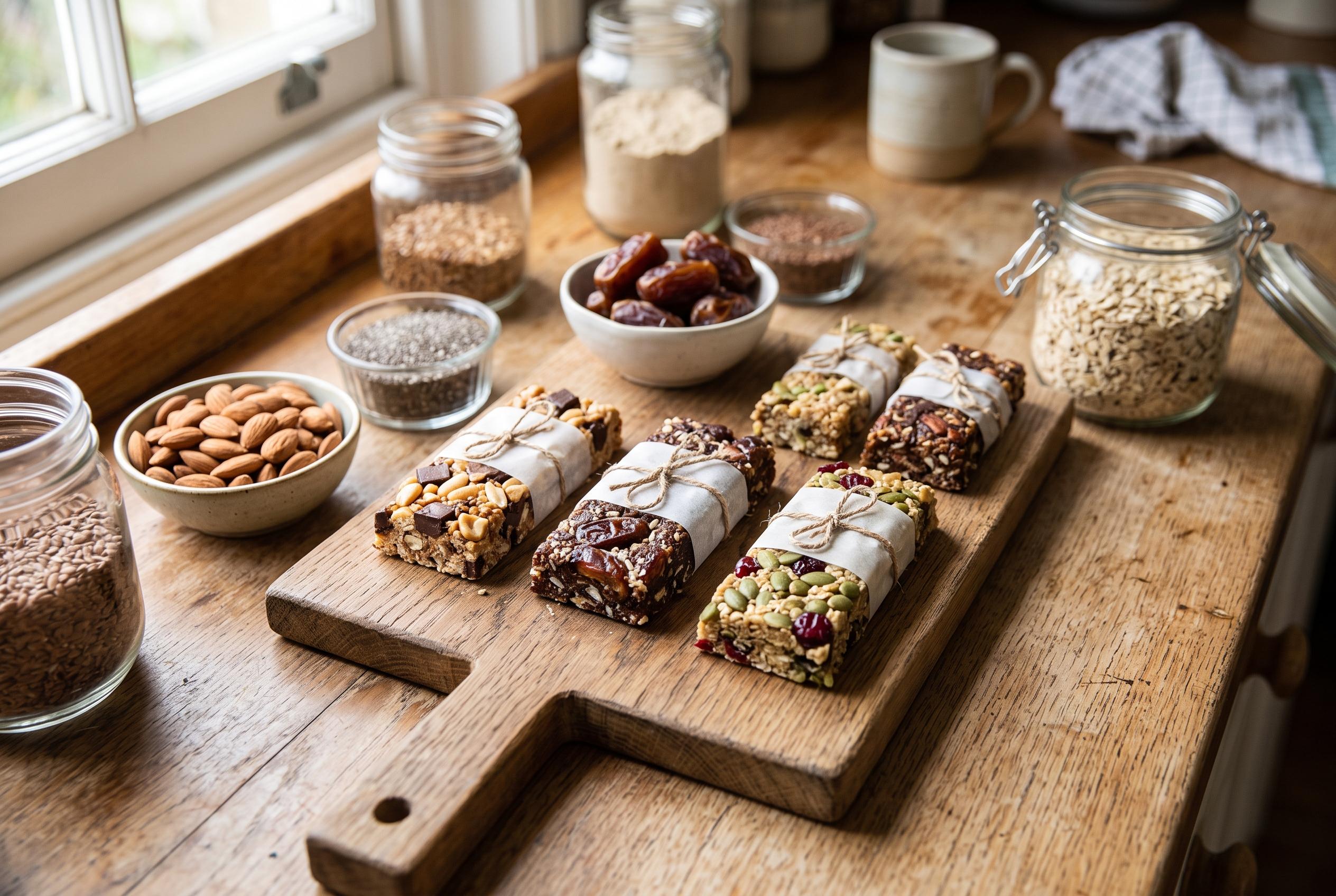

Amid scepticism towards the US food pyramid and rising concerns over processed protein products, making nutritious protein bars at home emerges as a practical and transparent alternative for health-conscious consumers.
Americans often struggle with nutrition not because the basics are mysterious, but because the message is muddled. The federal food pyramid has long been criticised for being shaped by politics as much as science, and recent revisions have only deepened that scepticism. At the same time, social media is full of confident but unreliable advice, leaving many people unsure what to trust when they shop, snack or train.
That confusion matters because protein has become a kind of dietary talisman. In theory, athletes need it. In practice, many products sold in that category are little more than sweets with a health halo. Reporting by The Atlantic this year noted that many protein bars contain sugar levels comparable to candy, while Cycling Weekly has pointed out that some ultra-processed sports foods can make sense during intense exercise but are not meant to replace ordinary meals.
The latest version of the U.S. dietary guidance has added to the noise. Stat News reported in January that the new inverted pyramid has been criticised for awkward design and poor clarity, while Food Navigator said the shift away from MyPlate has fuelled concerns that the public will find the new advice harder to follow. Separate reporting by Live Science said the revised guidance leans heavily towards a high-protein, meat-centric message and includes animal fats such as beef tallow and butter among its preferred foods, prompting criticism from scientists and public health advocates. TechTimes also reported that most of the replacement authors have documented links to the beef and dairy industries, which has raised fresh questions about independence.
Against that backdrop, making protein bars at home starts to look less like a culinary stunt and more like common sense. The recipe here uses quinoa, oats, chocolate chips, peanut butter, dates and nuts, then firms the mixture in the fridge. It is straightforward, inexpensive relative to many shop-bought bars and far less likely to disguise candy as nutrition. For anyone who wants something filling after a run, it offers a practical answer to a problem that the market has made needlessly complicated.
Disclaimer: This content is for informational purposes only and is not intended to be a substitute for professional medical judgment, advice, diagnosis, or treatment.