

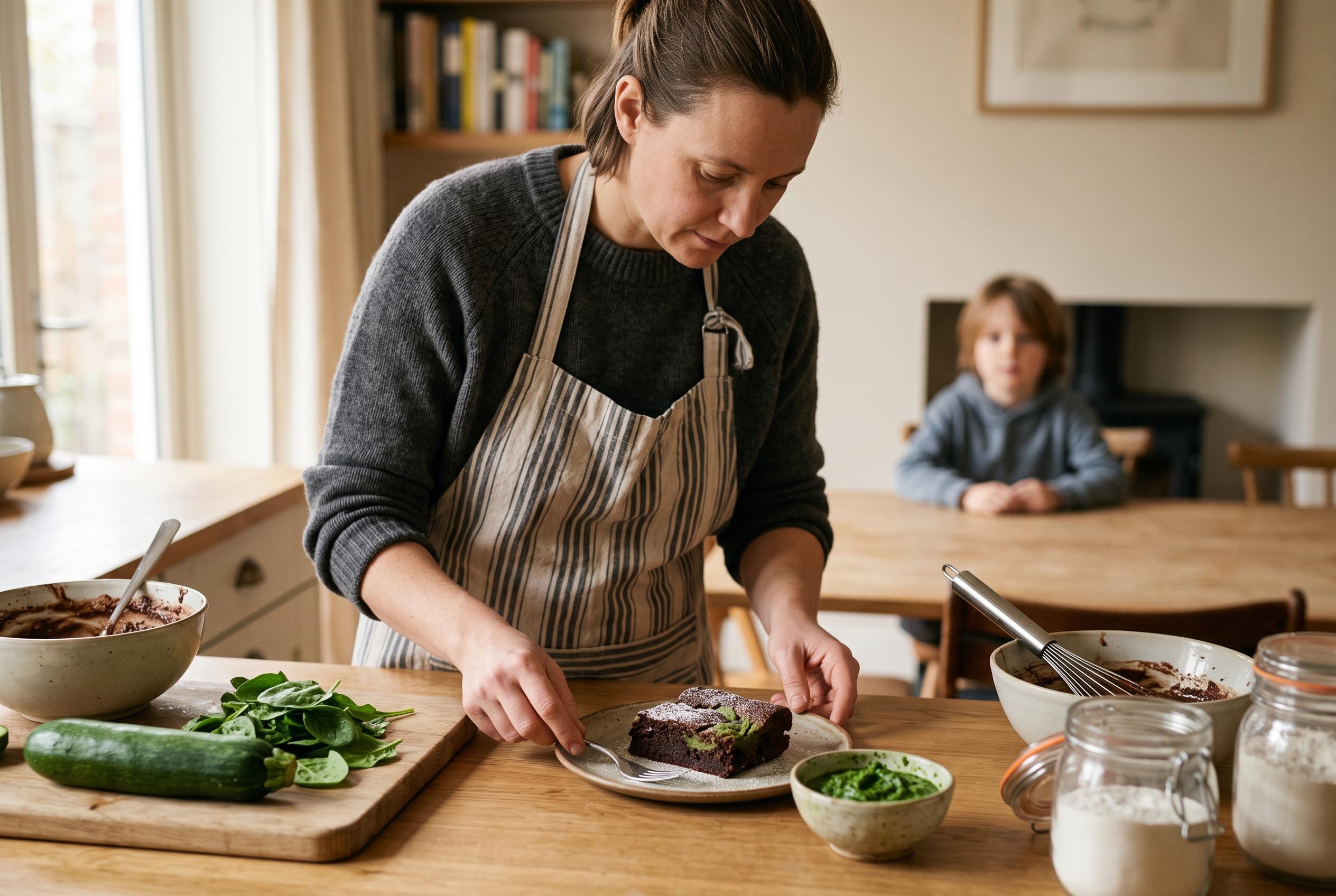

Innovative vegan desserts using hidden vegetables are becoming a favourite among families seeking healthier sweet options, combining nutrition with indulgence without compromising on flavour or appeal.
Parents who are tired of vegetable battles at the dinner table may find an easier route in the pudding bowl. Vegan desserts with hidden vegetables use ingredients such as sweet potato, courgette, carrot, beetroot, pumpkin, avocado, beans and chickpeas to add moisture, colour and a little extra nutrition to brownies, cakes, biscuits, muffins and mousses, often without changing the dessert’s appeal.
The appeal is not just novelty. Nutrition and recipe guides from Veggie Desserts and other plant-based cooking sites note that mild vegetables can bring natural sweetness, softness and richness to baked goods, while stronger flavours such as cocoa, chocolate chips and spices help mask their presence. Mashed sweet potato and pumpkin can make brownies and muffins dense and fudgy; finely grated courgette and carrot blend into cake batter; avocado can stand in for butter or cream; and beetroot can give red velvet-style bakes a vivid colour without artificial dye.
There is, however, a practical limit to the idea. Utah State University Extension says hiding vegetables can be a useful way to raise intake, especially for children who are reluctant eaters, but it may also mean they do not learn to accept vegetables in their visible form. The same guidance warns that some children may feel misled if the trick is revealed too abruptly. That is why many nutritionists recommend using hidden vegetables as one tactic rather than the only one, alongside repeated exposure to plain vegetables in other meals.
For families who want to try it, the technique usually works best when the vegetables are prepared carefully. Finely grating courgette, carrot and beetroot helps them disappear into the mixture, while beans, chickpeas and avocado need to be blended until completely smooth. Baking with children can also improve the odds that they will try the finished result, since participation often makes them more willing to taste what they have helped make. In that sense, the hidden-vegetable dessert is less about deception than about lowering the barrier to trying something new.
The result can be especially useful for lunchboxes, birthdays and other occasions when parents want a treat that feels indulgent but still brings a little more fibre and variety to the day. Vegan dessert collections from PETA and other recipe sites show how widely the idea can be applied, from chocolate puddings with puréed vegetables to snack balls and baked goods built around beans, pumpkin or sweet potato. Used thoughtfully, these desserts can turn a familiar sweet course into a more nutritious one without making a fuss about it.
Disclaimer: This content is for informational purposes only and is not intended to be a substitute for professional medical judgment, advice, diagnosis, or treatment.



