

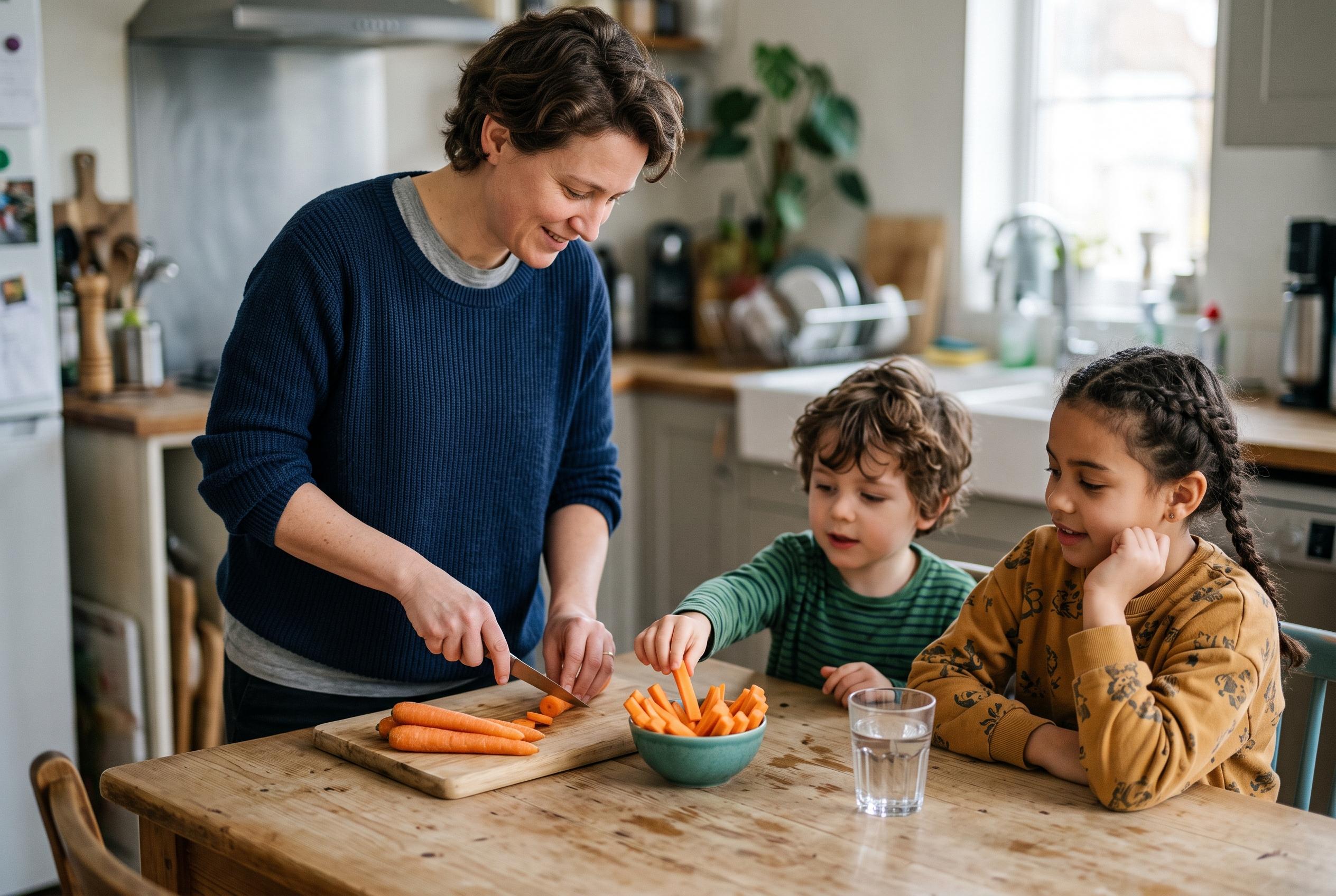

Norwegian football star Erling Haaland’s preference for raw carrots has transformed them into a cultural symbol among children, illustrating how role models can influence healthy eating habits and prompting calls for improved school food policies.
Erling Haaland’s habit of eating raw carrots has done more than fuel another footballing legend in Norway: it has helped turn a humble vegetable into a trend. After the Manchester City striker was repeatedly seen snacking on carrots before training, and later appeared in a BAMA advert, Norwegian children began treating carrots as a kind of status symbol. Sales reportedly rose sharply over the summer, with parents saying their children now ask for “Haaland candy” or “Haaland’s lollipop” in the hope of emulating the star.
The episode matters because it shows how quickly children’s food choices can be shaped by admiration and repetition. What seems “normal” in a household or among friends can become a powerful influence on what young people are willing to eat. In this case, a footballer’s image appears to have made a raw vegetable more appealing than sweets for some children, suggesting that healthy habits may spread more easily when they are associated with aspiration rather than lectures.
That idea sits behind a wider argument for changing school food. According to the Irish Nutrition Review cited in the article, nearly a fifth of hot school meals were left uneaten, although much of that waste was linked to absences from school. Even after adjusting for pupils who were not present, a significant share still went untouched. The review also raised concerns about processed ingredients, limited transparency in how meals are produced and portion sizes that were the same across primary classes, leaving older children short of energy.
The review’s recommendations include offering cold lunches every day, alongside standardised menu cycles, age-appropriate portions and adaptations for children in special schools or those with dietary requirements. Food Policy Ireland’s chief executive, Ruth Hegarty, said the current programme is judged too narrowly on whether it avoids foods high in fat, salt and sugar, while paying too little attention to the low fruit and vegetable content that Irish children need. Safefood’s lunchbox guidance, meanwhile, points towards a more balanced pattern built around vegetables, wholegrains, protein and dairy, with simple combinations such as carrot sticks, yoghurt, fruit, hummus and wholemeal sandwiches.
The most persuasive evidence that children can be nudged towards better eating may come from the UK campaign Eat Them to Defeat Them, developed by Veg Power and ITV. According to Veg Power, the programme is returning for its ninth year in February 2027 and has involved more than 2 million children, making it the largest and best-evidenced food education programme in the UK. ITV has also said the campaign has generated £63 million in vegetable sales over 18 months. Its method is deliberately playful: schools use games, tastings and reward charts rather than nutritional nagging, and parents are encouraged to reinforce the message at home. That approach, educators and public health specialists argue, may be more effective than simply telling children to eat more vegetables.
Seen together, the carrot craze in Norway and the success of Veg Power point to the same conclusion: children are far more likely to change their habits when healthy food is made visible, enjoyable and socially desirable. The lesson for school meals is not only that better food matters, but that presentation, peers and positive role models can make a substantial difference. If a footballer can make carrots cool, schools and parents may be able to do the same with a great many other vegetables.
Disclaimer: This content is for informational purposes only and is not intended to be a substitute for professional medical judgment, advice, diagnosis, or treatment.



