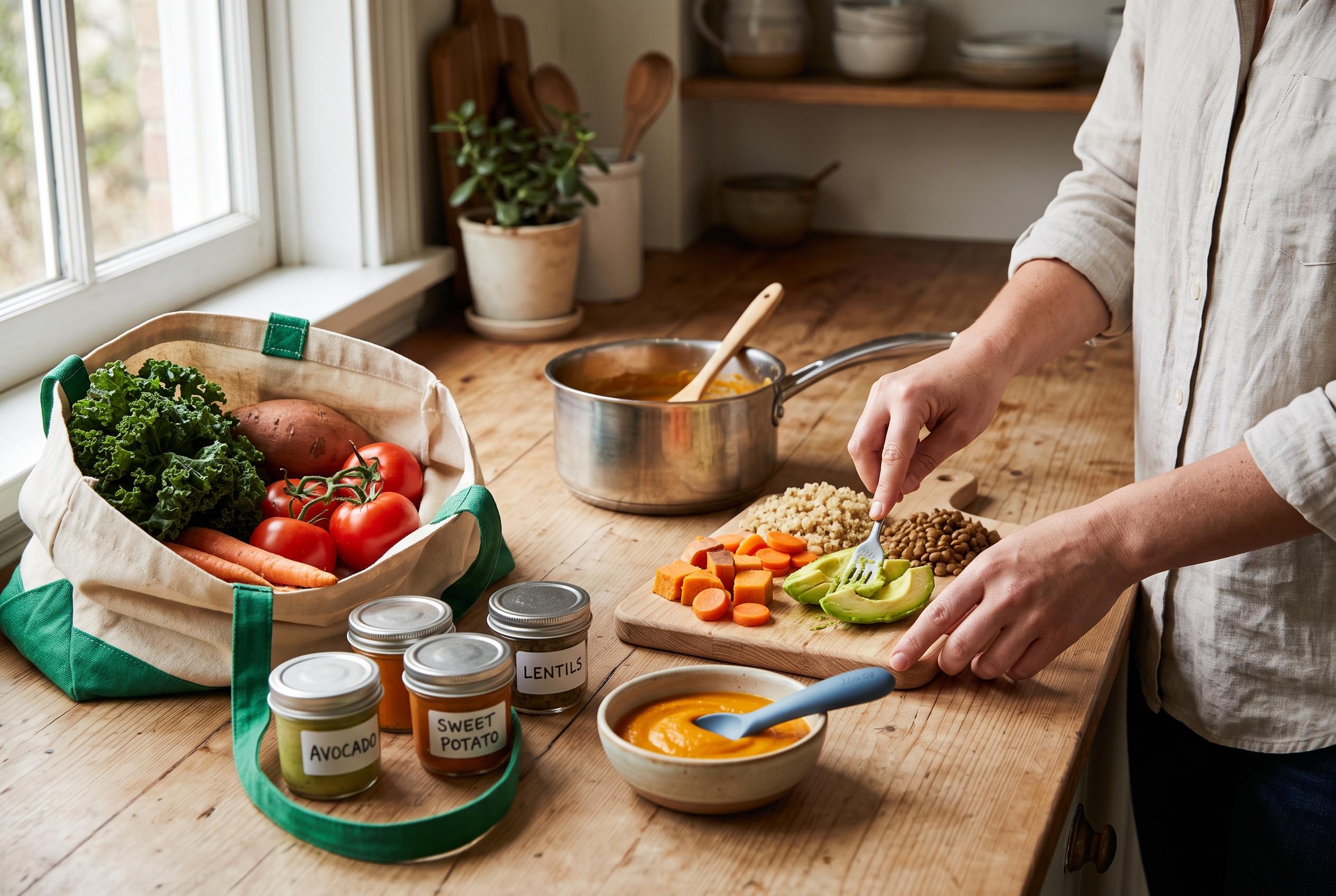

As the baby food market evolves towards transparency, safety and nutritional value, early feeding practices increasingly emphasise home-made options, diverse ingredients and cautious introduction of solids, highlighting ongoing challenges and opportunities in child nutrition worldwide.
Feeding babies well begins long before the first spoonful is served. Agriculture remains the base of food supply for much of the world’s poorest households, and that makes it central to nutrition, income and health. As the Catholic Relief Services analysis notes, growing more food does not automatically improve diets; what matters is whether families can access a varied, affordable mix of nutritious foods. A systematic review in the medical literature also found several pathways through which farming can support child nutrition, including better food availability, stronger household earnings and greater empowerment for women.
That wider context helps explain why baby food has become a fast-moving category. According to industry commentary, parents are increasingly drawn to products with clearer health credentials, stronger safety standards and added functional benefits such as vitamins, minerals and ingredients linked to immunity or digestion. Recent market analysis suggests the sector is moving well beyond basic infant nutrition, with brands expanding into specialised products for different stages of early feeding and placing more emphasis on regulatory scrutiny and ingredient quality.
The lead article’s practical advice reflects the appeal of making baby food at home: it can be cheaper, gives parents greater control over ingredients and can be adapted to a child’s stage of development. Its suggested grain mix , including millet, wheat, white guinea corn, red guinea corn, maize and rice , points to the value of combining staple crops into a broader nutrient base. But the article also rightly stresses care at each step, from sorting out stones and dirt to washing, drying, blending and freezing the food safely. Homemade baby food, however, only works well when families have access to enough variety, refrigeration and basic sanitation.
For parents starting solids, the article recommends simple fruits and vegetables such as apples, pears, bananas, carrots, peas, green beans, squash and sweet potatoes. It also warns against choking risks from undercooked vegetables, grapes and foods with bones, and advises avoiding unnecessary salt, sugar and preservatives. That fits with broader consumer trends identified by food-industry reporting, which show parents favouring safer, more transparent products. In practice, the best approach is often a careful one: introduce foods slowly, keep textures appropriate and focus on freshness, hygiene and balance.
Disclaimer: This content is for informational purposes only and is not intended to be a substitute for professional medical judgment, advice, diagnosis, or treatment.