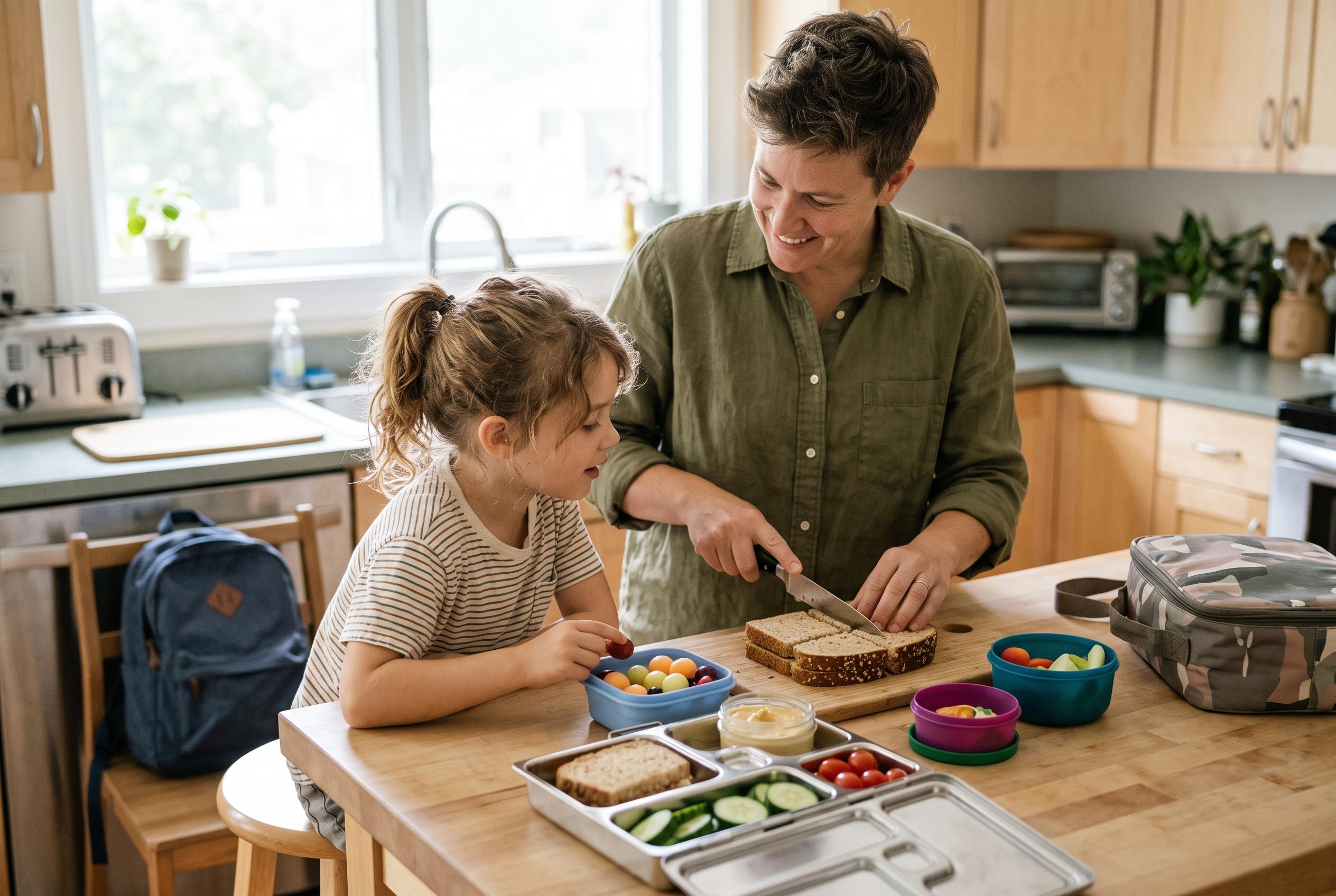

Health experts advise parents to introduce small, positive changes to children’s diets and make healthy foods appealing and engaging to foster better eating habits at the start of the school year.
As the school year gets under way, paediatricians say families do not need to overhaul their routines overnight to improve children’s eating habits. Dr Lauren Fiechtner of Mass General Brigham said parents are often better off making gradual changes, especially with fussy eaters, and keeping the experience positive. She suggested turning fruit and vegetables into something children can explore rather than something they are forced to finish, a tactic she said can reduce resistance and make healthy foods feel less daunting.
Breakfast remains a central part of that effort. Fiechtner said children who skip the morning meal are more likely to graze later in the day and may struggle to concentrate in class. That view is echoed by the Mayo Clinic Health System, Johns Hopkins Medicine and the US Food and Drug Administration, all of which stress that a balanced breakfast helps support energy, focus and mood. Their guidance also points parents towards simple options such as fruit, cereal, toast, yoghurt, eggs or sandwiches, along with planning ahead when mornings are rushed.
For lunchboxes, the advice is much the same: keep it balanced and keep it practical. Fiechtner said children’s plates should broadly be split between fruit and vegetables, lean protein and whole grains. Johns Hopkins Medicine and the Mayo Clinic Health System recommend involving children in meal planning and preparation, both to build interest and to encourage healthier choices over time. The FDA also advises parents to read nutrition labels and look for foods lower in sodium and added sugar, while Johns Hopkins suggests discussing cafeteria choices with children so they learn how to make better decisions on their own.
Parents of picky eaters may have the hardest job, but specialists say presentation can help. Johns Hopkins recommends making food look fun, including by using shapes and colours, while Fiechtner said younger children may respond better when healthy eating feels like a game rather than a rule. For older children, she said it can help to find out what friends are eating and what they might be willing to try. The larger point, according to the health experts, is that small, consistent steps often work better than strict demands.
Disclaimer: This content is for informational purposes only and is not intended to be a substitute for professional medical judgment, advice, diagnosis, or treatment.