

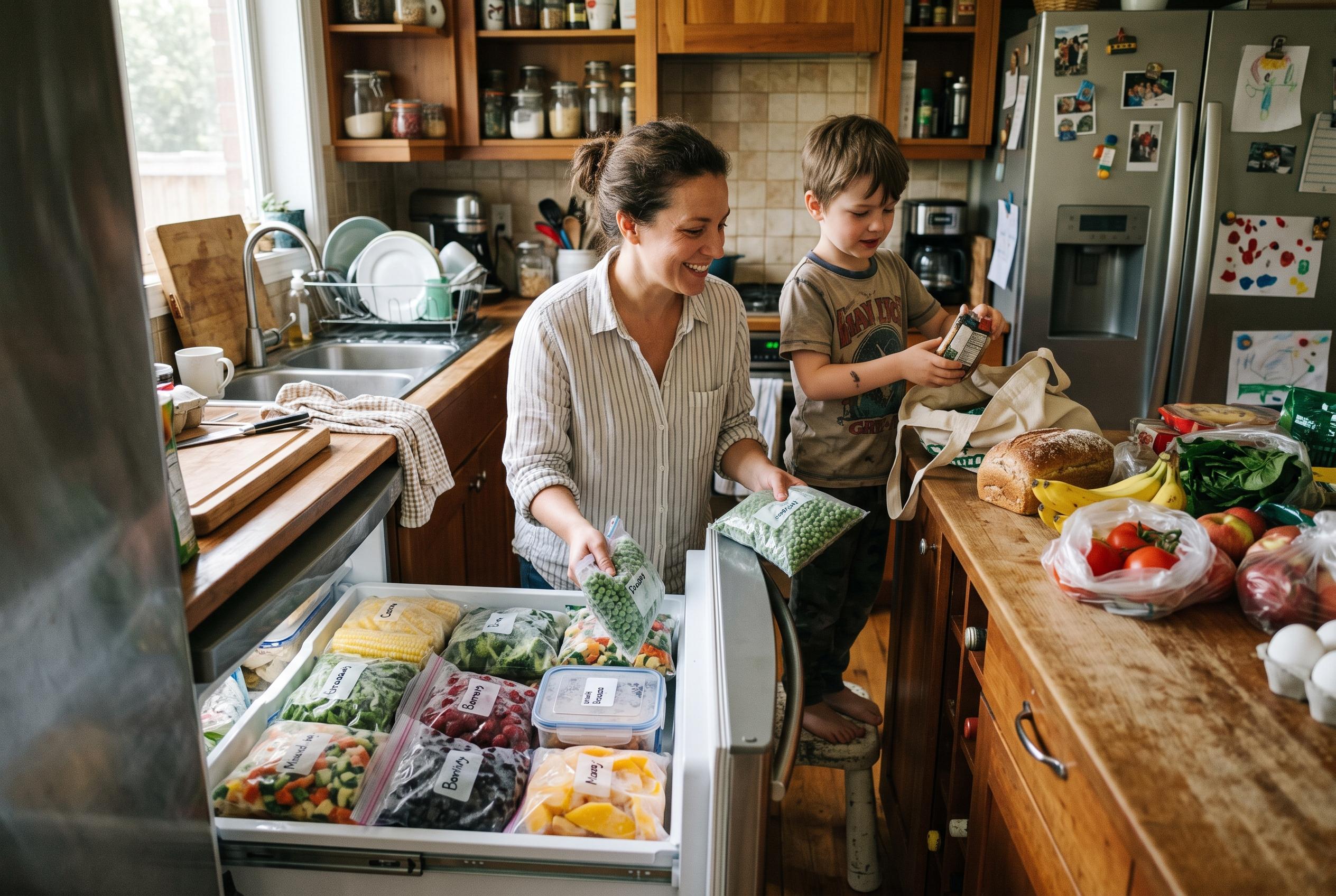

Frozen produce is often cheaper and can be just as nutritious as fresh, while carefully chosen freezer meals offer busy households a practical way to save money and reduce waste.
Freezer aisles are emerging as a budget ally for households trying to cut grocery bills without giving up on nutrition. New figures cited by the British Frozen Food Federation suggest frozen fruit and vegetables are, on average, 36% cheaper than fresh equivalents, with a typical portion of broccoli costing 51p fresh and 33p frozen. That price gap matters at a time when many families are looking for ways to trim monthly spending, and it helps explain why dietitians are increasingly keen to challenge the idea that frozen automatically means inferior. According to the federation’s analysis, the savings can add up quickly, while the nutritional case for freezing is stronger than many shoppers assume.
Nutrition experts say the freezer does not automatically strip food of its value. Research summaries from Healthline and National Geographic both point out that produce is often frozen close to peak ripeness, which can help preserve vitamins and minerals that fresh items may lose during transport and storage. Some nutrient loss can occur during blanching, the brief heat treatment used before freezing, but the broader message from both sources is that frozen fruit and vegetables can remain highly nutritious, and in some cases compare favourably with produce that has spent days or weeks in transit.
That is why dietitians interviewed in the original article argue that convenience need not come at the expense of quality. Nicola Ludlam-Raine said there is “no reason why a frozen meal can’t be nutritious”, while Ro Huntriss said busy households can use frozen dishes as a practical back-up for hectic evenings. Their point is not that every ready meal is healthy, but that the nutritional profile depends on the ingredients, the amount of salt and saturated fat, and whether the meal delivers a useful mix of protein, fibre and vegetables.
The examples highlighted in the article show how varied the freezer aisle can be. Birds Eye’s Get Real Protein Mexican Chicken Burrito Bowl sold at Waitrose was presented as a high-fibre, high-protein option with relatively little saturated fat. Asda’s Protein Sweet & Sour Chicken Noodles were singled out for their modest salt content compared with many takeaway-style dishes, while Sainsbury’s Roast Chicken Dinner was described as offering a leaner version of a traditional roast. Tesco’s High Protein Tandoori Chicken Masala was also praised for combining chickpeas, vegetables and chicken into a filling meal, even if its sugar content was higher than ideal.
There is, however, a clear caveat for shoppers trying to eat well on a budget: price and nutrition do not always move in lockstep. USDA Economic Research Service charts on fresh and processed produce show that neither form is consistently cheaper across the board; costs vary by crop, handling and spoilage. In other words, frozen is not automatically the least expensive option, but for many fruit and vegetable staples it often is, and it can reduce waste because food keeps longer. For parents and carers in particular, that combination of lower waste, lower cost and steady nutritional value makes frozen produce and well-chosen freezer meals a sensible tool rather than a compromise.
Disclaimer: This content is for informational purposes only and is not intended to be a substitute for professional medical judgment, advice, diagnosis, or treatment.



