
Experts highlight the importance of the first 1,000 days of life, from conception to age two, as a vital window to prevent anaemia and support brain development through targeted nutrition and improved sanitation.
The first 1,000 days of life, from early pregnancy to a child’s second birthday, are emerging as a crucial window for preventing anaemia and protecting long-term development, according to the Colegio de Nutricionistas del Peru. Rosa Elena Cruz Maldonado, the college’s dean, said this period shapes much of the brain and sets the foundation for future health and productivity.
Her warning is supported by wider medical research, which shows that brain growth begins before birth and accelerates sharply through infancy and toddlerhood. Studies indexed by the U.S. National Library of Medicine and guidance from the American Academy of Paediatrics say adequate intake of nutrients such as iron, protein, zinc, iodine, folate and vitamins is vital during this stage, because shortages can cause lasting harm to cognitive development.
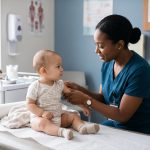
Cruz Maldonado said anaemia is not something that can be detected by sight alone and requires a blood test, adding that screening at 6 months is essential. She also warned that anaemia remains widespread among infants at that age. In practical terms, the issue is not only iron deficiency, but a broader lack of nutrients needed for brain growth and healthy blood formation.
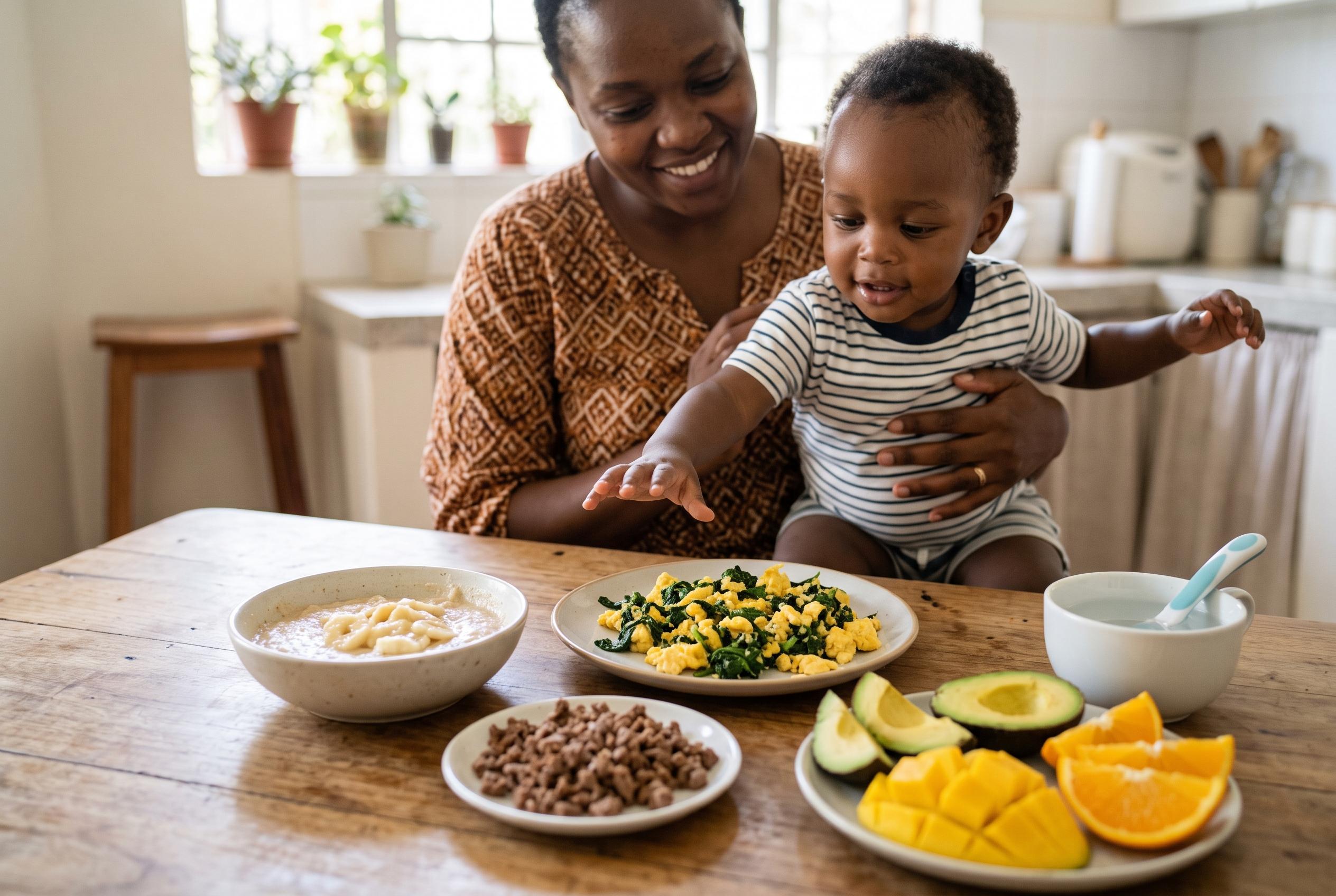
The Peruvian nutrition body said treatment should look beyond iron tablets and include nutrient-rich foods, particularly animal-source proteins and organ meats such as liver and other offal. It also urged serial testing for parasites, treatment where needed and safer water, arguing that infections and poor sanitation can undermine nutrient absorption and contribute to anaemia. That aligns with the broader medical view that the first 1,000 days are a period of both great vulnerability and great opportunity.
Disclaimer: This content is for informational purposes only and is not intended to be a substitute for professional medical judgment, advice, diagnosis, or treatment.