

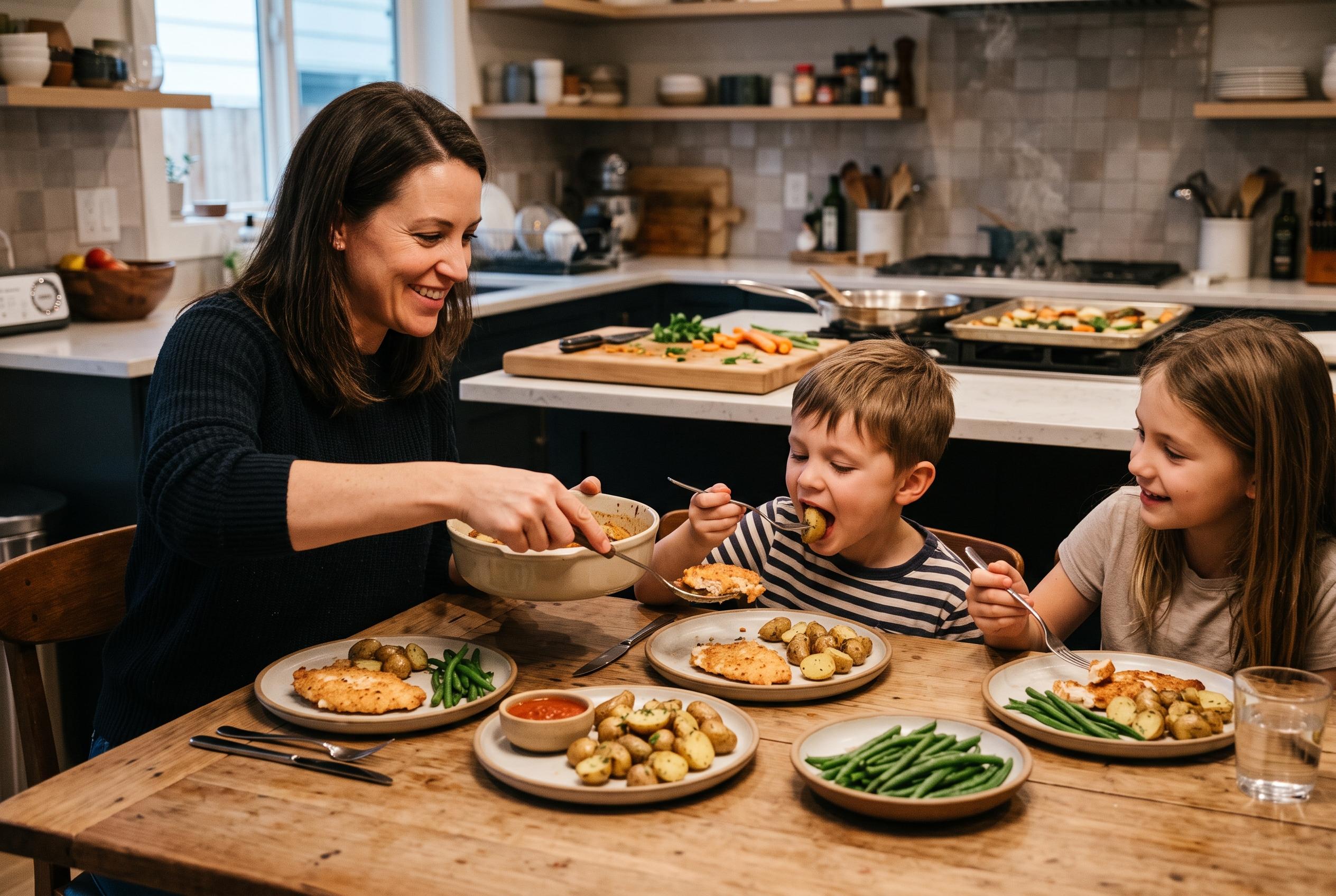

Parents of gluten-sensitive children find success in meals built around familiar ingredients and structures, prioritising texture and speed to ensure kids will eat and enjoy their dinner without fuss.
Parents looking for gluten-free dinners that children will actually finish often discover that the winning strategy is not imitation, but familiarity. The most successful meals usually begin with foods that are naturally free of gluten, such as rice, potatoes, eggs, meat, cheese, corn tortillas and fruit, or with a single, reliable swap that preserves the texture a child already likes. That approach matters because many children object less to flavour than to the way gluten-free food feels in the mouth: a crust that goes soggy, bread that crumbles, or a sauce that turns grainy.
For families managing celiac disease, the distinction goes beyond taste. Beyond Celiac says meals for children should be designed with access and consistency in mind, while Celiac.com and other gluten-free recipe collections show that the dishes most likely to work are the ones built around ordinary family favourites, from tacos and quesadillas to chicken nuggets, pasta and stews. The practical lesson is simple: a shared meal is usually easier to serve, safer to manage and more likely to be eaten than a special plate made for one child alone.
That is why chicken tenders, mac and cheese and pizza-style dishes remain so popular in gluten-free kitchens. When these meals are built carefully, they can keep the textures children expect. A crisp breadcrumb coating made with certified gluten-free ingredients, a smooth cheese sauce over sturdy gluten-free pasta, or small pizza pinwheels baked until the edges brown can all feel familiar enough for picky eaters. Recipe collections from Gluten Free Palate, Good Housekeeping and BBC Good Food point in the same direction: quick dinners work best when they rely on ordinary ingredients and do not ask children to accept too many changes at once.
Bowls and build-your-own meals are especially useful because they give children control. Taco bowls, beef and rice bowls, burrito bowls and similar dinners let each person choose what goes on the plate, which reduces the resistance that often comes with mixed-up foods. Beyond Celiac highlights child-friendly recipes such as quesadillas and taco salad for exactly this reason. For the same reason, a separate bowl of rice, a dish of cheese and a portion of seasoned chicken can be a complete dinner without needing to be combined.
Speed also matters on school nights. Gluten Free Palate and Good Housekeeping both emphasise meals that can be on the table quickly, and that same time-saving approach helps families avoid falling back on a separate, less satisfying meal for the gluten-free child. Chicken fried rice, mini pizza bagels, sliders and baked fish sticks all work because they are fast, portable and easy to portion. A child who prefers plain components can eat them one by one, while another family member can add toppings, sauces or vegetables without changing the core meal.
There is also a safety side to the conversation. Gluten-free eating is not the same as celiac-safe cooking, and cross-contact remains a serious concern for children who must avoid gluten for medical reasons. That means checking labels on breadcrumbs, sauces, seasoning mixes and breads, as well as using separate utensils and surfaces where needed. Families choosing a gluten-free diet for preference rather than diagnosis may have more flexibility, but the cooking principles stay the same: keep the dinner recognisable, keep the texture appealing and avoid making two completely different meals if one can serve everyone.
The best gluten-free dinners for children, then, are rarely elaborate. They are usually the meals that already feel known, only made with safer ingredients or a cleaner structure. A rice bowl with seasoned chicken, a tray of tender fish sticks, a plate of soft quesadillas or a pan of mac and cheese may not sound inventive, but that is often exactly why they work. For parents and carers, the aim is not to win points for novelty. It is to put food on the table that a child will recognise, trust and eat.
Disclaimer: This content is for informational purposes only and is not intended to be a substitute for professional medical judgment, advice, diagnosis, or treatment.



