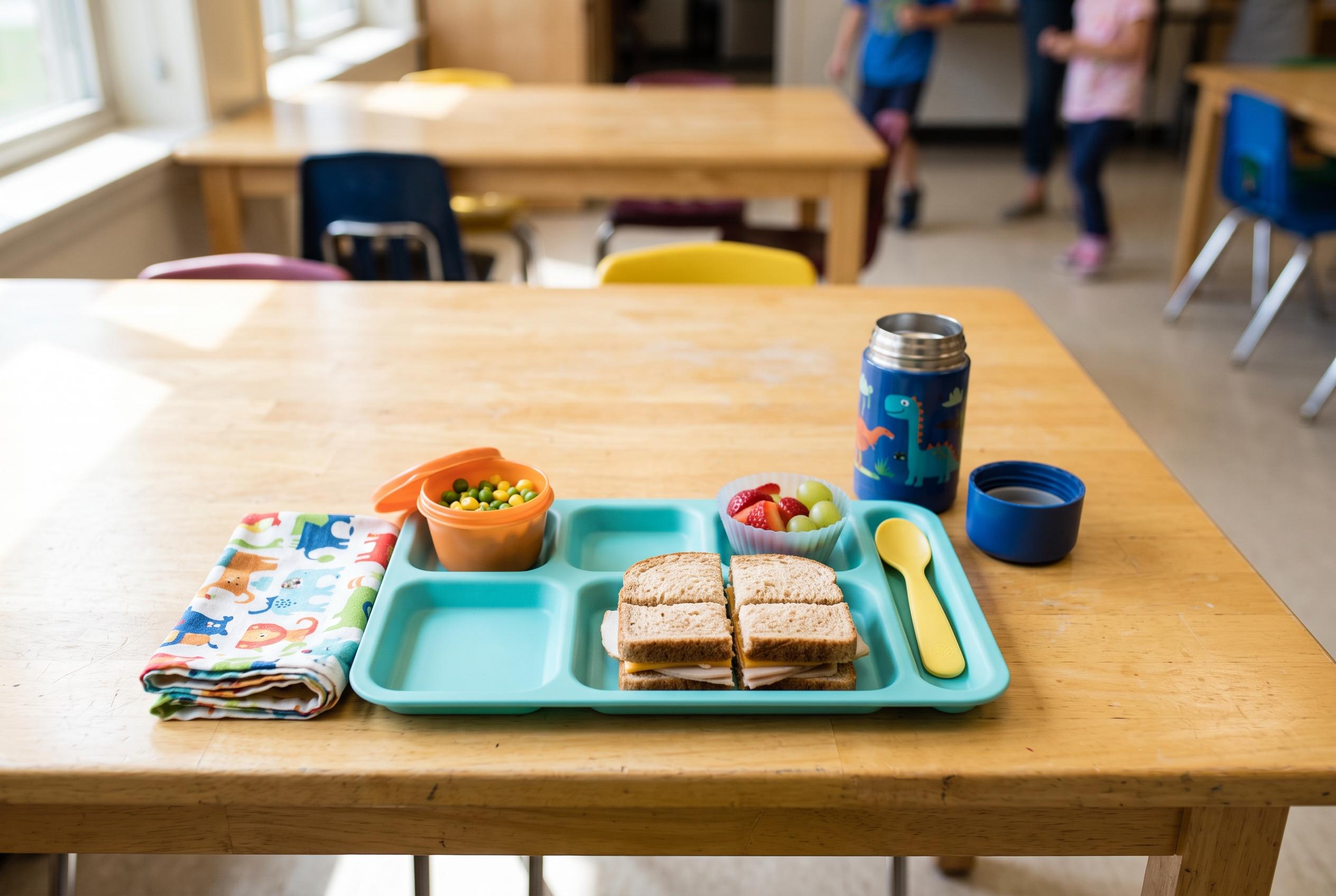

Experts suggest that creating familiar, manageable, and playful school lunches can improve eating habits for fussy children, emphasising the importance of patience, variety, and involvement without pressure.
Packing a lunch for a fussy eater can feel like a daily test of patience, especially when the box comes back barely touched. But child nutrition experts say that does not necessarily mean the meal was wrong. School lunch is noisy, rushed and full of distractions, and many children simply do not have much time to eat. Johns Hopkins Medicine advises parents to keep expectations realistic, vary the menu and involve children in planning, while also avoiding pressure around brand-new foods at lunchtime.
A useful approach is to build lunches around familiarity. Parents and feeding specialists recommend including at least one food a child already likes, keeping portions small and choosing items they can open and eat without help. That can mean a predictable structure, such as a protein, a grain and a fruit or vegetable, plus one “safe” food. The idea is not to create a perfect lunch every day, but to give children something they are likely to eat while slowly widening their tastes over time.
Simple, playful presentation can help too. Both My Fussy Eater and other parents’ guides suggest using bento-style boxes, cutters and other small tools to make food feel less overwhelming and more inviting. A sandwich does not have to be the default. Easy options such as mini wraps, pasta, soup in a thermos, salad components packed separately or even a breakfast-style lunch can keep things fresh without becoming complicated. The key is to offer variety without abandoning the foods a child trusts.
That balance between safe foods and gentle novelty matters. Experts caution that lunch is usually not the best moment to introduce a completely new food, because children may be distracted or short on time. Instead, many recommend sending very small portions of a new item alongside favourites, so the child can look at it, smell it or taste it without pressure. Netmums and similar parenting guides also stress that children may need repeated exposure before they accept a new food, and that the goal is comfort and consistency, not an empty lunchbox.
Parents can also make lunch planning more collaborative. Johns Hopkins Medicine suggests involving children in shopping and packing, which gives them a sense of control without handing over the whole decision. That fits with advice from dietitian-led resources, which recommend asking children what they liked, what they would change and what their friends were eating. Those small questions can reveal useful patterns, such as whether a child dislikes mixed textures, needs easier-to-open containers or simply prefers foods served separately.
The bottom line is that picky eating does not require elaborate lunches. A good school lunch for a selective eater is usually one that is familiar, manageable and low-pressure, with just enough novelty to keep things interesting. Dietitians and parenting experts agree that small changes, made consistently, are more effective than trying to overhaul a child’s eating habits in one go.
Disclaimer: This content is for informational purposes only and is not intended to be a substitute for professional medical judgment, advice, diagnosis, or treatment.