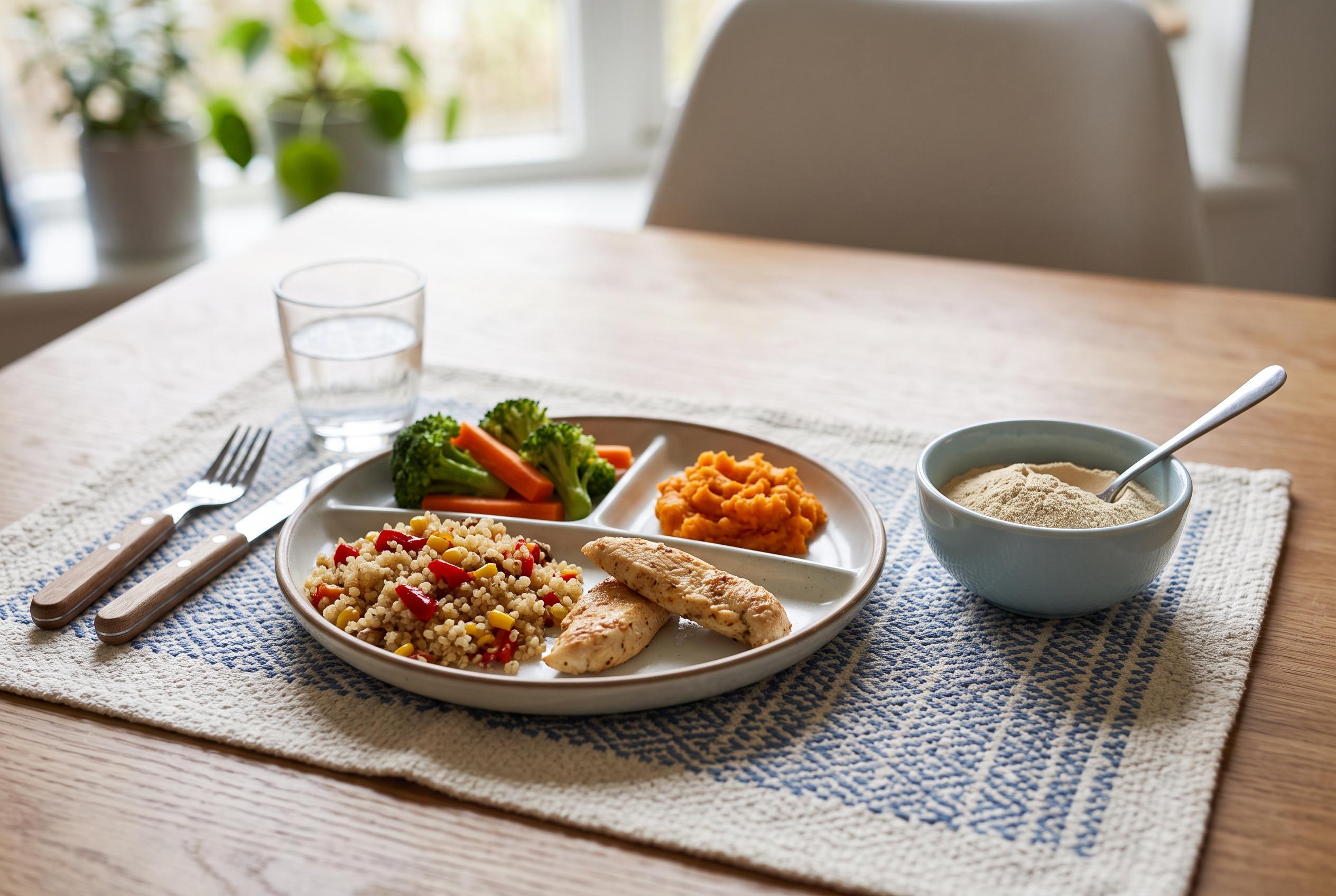

While protein is increasingly featured in children’s foods, experts advise that most children meet their needs through balanced meals rather than supplements or fortified options, highlighting the risks of excessive consumption.
Protein seems to be turning up everywhere in children’s diets, from lunchbox bars to smoothies and even breakfast foods, but experts caution that more is not automatically better. The central message from The Nourished Child is simple: most children do not need parents to chase extra grams, and a balanced diet usually covers what they require for growth and development. According to the Mayo Clinic, protein remains one part of a wider pattern that should also include fruit, vegetables and whole grains.
The article argues that concern over protein is often misplaced because many children already meet their needs through ordinary meals. It points to guidance suggesting that children aged 4 to 13 need about 0.95 gram of protein per kilogram of body weight each day, while teenagers aged 14 to 18 need about 0.85 gram per kilogram. For a 70-pound child, that works out at roughly 30 grams a day, an amount that can come from familiar foods such as eggs, milk and a turkey sandwich. Cleveland Clinic likewise advises that protein supplements are usually unnecessary for children and should not replace a normal diet.
The piece also notes that newer research exploring so-called optimal protein intake may suggest the official recommendations are somewhat conservative for very active children and teenagers, but not by enough to justify piling on powders and fortified foods. It says the bigger risk is that high-protein eating can displace other foods children need more often, particularly fibre-rich plant foods. The article also highlights studies linking higher protein intake in infancy and toddlerhood with faster weight gain later, and a 2024 analysis of U.S. health data that found a higher protein-to-calorie ratio was associated with greater odds of overweight or obesity.
At the same time, the article draws a distinction between children who are simply eating enough protein and those for whom low intake is a real concern. Severe picky eating, avoidant restrictive food intake disorder and eating disorders can call for individual support from a paediatric dietitian. For most families, though, the suggested solution is not counting grams but using a simple plate check: if a child is getting a palm-sized protein serving at breakfast, lunch and dinner most days, they are probably already covered.
Disclaimer: This content is for informational purposes only and is not intended to be a substitute for professional medical judgment, advice, diagnosis, or treatment.