

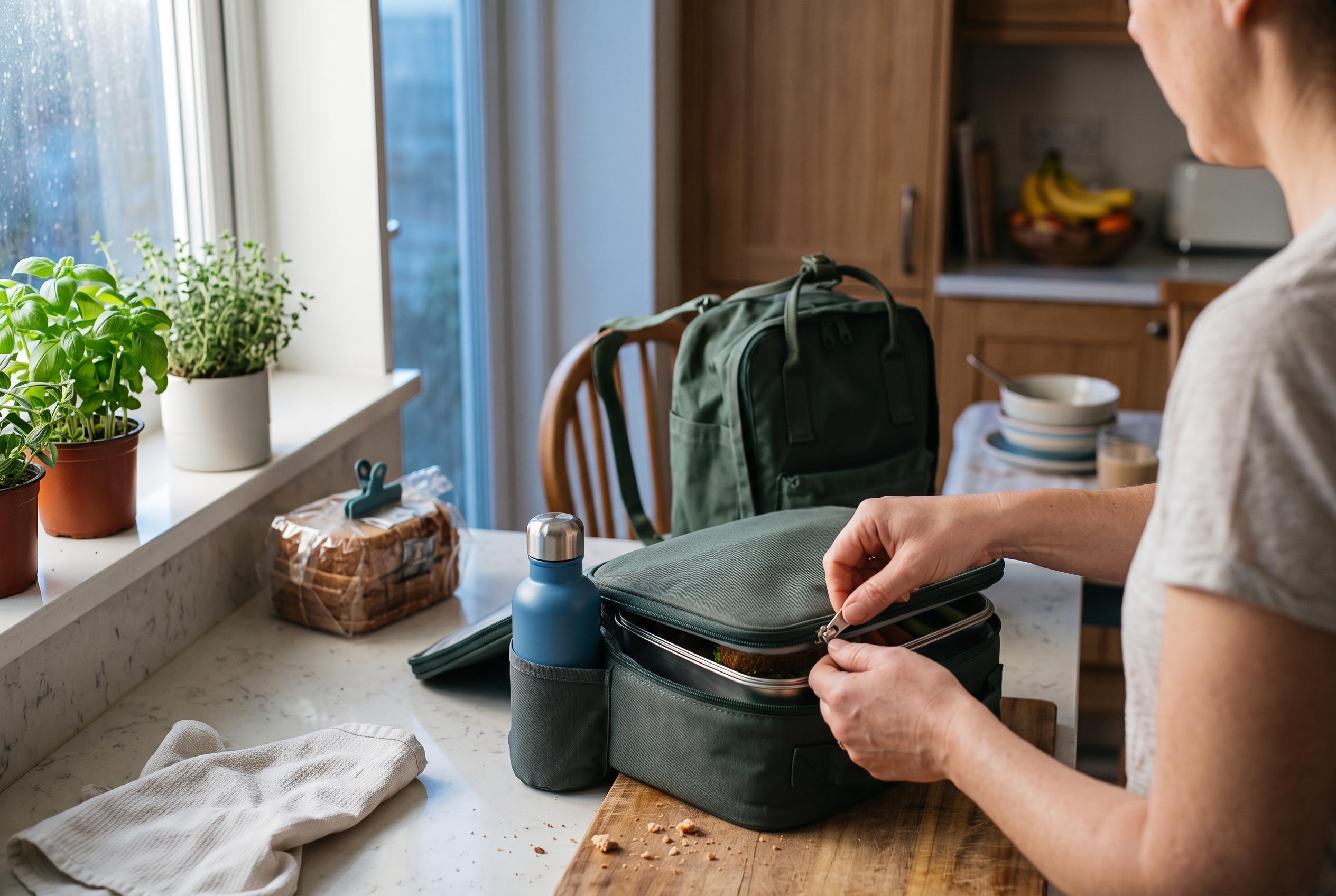

As children return to school, health experts emphasise the importance of balanced, safe, and varied lunchboxes to support growth, wellbeing, and academic performance, urging parents to prioritise home-prepared meals and hydration.
As schools reopen, experts are reminding parents that a lunchbox is more than a quick way to keep children fed through the day. Bahçeşehir University nutrition and dietetics lecturer İlayda Altuncevahir said packed meals should be built around a proper balance of protein, carbohydrates and fats, rather than relying on pastries and other convenience foods that may be filling but are not ideal as a daily habit. Her comments echo guidance from Harvard Health, which says school lunches need to restore energy after a morning of learning and support growth and wellbeing.
Altuncevahir said children are still growing, so their meals need to be more carefully planned than an adult’s quick snack. She advised parents to make home-prepared food where possible and to include a clear protein source such as egg or cheese. Harvard Health also notes that parents play an important part in helping children learn healthier choices by example at home, making family eating habits part of the wider nutrition picture.
Food safety is another concern that is easy to overlook when lunch is assembled the night before. The US Department of Agriculture’s Food Safety and Inspection Service says perishable foods, including eggs, meat and poultry, should be kept cold at all times, and recommends insulated lunch bags with frozen gel packs or other cold sources. Altuncevahir gave similar advice, warning that sandwiches and other items containing cheese, egg or vegetables should be kept refrigerated until school and carried in an insulated bag, ideally with a cold pack. Safefood in Ireland also advises using insulated containers, keeping perishable foods in separate compartments where possible and discarding leftovers that have not been eaten by the end of the day.
She also underlined the importance of hydration. Altuncevahir said teachers can help by reminding pupils to drink water regularly during the school day, especially around breaks and meal times. That point matters because children may not always drink enough on their own, particularly when they are busy or distracted. The US Centres for Disease Control and Prevention has also stressed that lunch should allow enough time to eat properly, noting that schools should give pupils at least 20 minutes of seat time so they are more likely to finish their meal and waste less food.
Breakfast remains another key piece of the picture. Altuncevahir said children who skip it may be able to make up for it to some extent if their meal pattern is otherwise steady, but she said the evidence still points strongly towards breakfast as an important part of a child’s diet and academic performance. She also encouraged parents to include fruit and vegetables in lunchboxes at least three days a week, preferably seasonal produce that is both affordable and nutritious, with fibre and vitamins helping to round out the meal.
She said children are often more willing to try new foods when they see classmates eating them or when they help prepare food at home. That observation aligns with broader public health guidance that children learn by imitation, not only from peers but from parents as well. Altuncevahir added that time pressure should not push families into a narrow routine of poğaça and börek every day, since freezer-friendly dishes and simple alternatives such as crepes filled out with egg and served with cucumber and tomato can save time without reducing variety.
Disclaimer: This content is for informational purposes only and is not intended to be a substitute for professional medical judgment, advice, diagnosis, or treatment.



