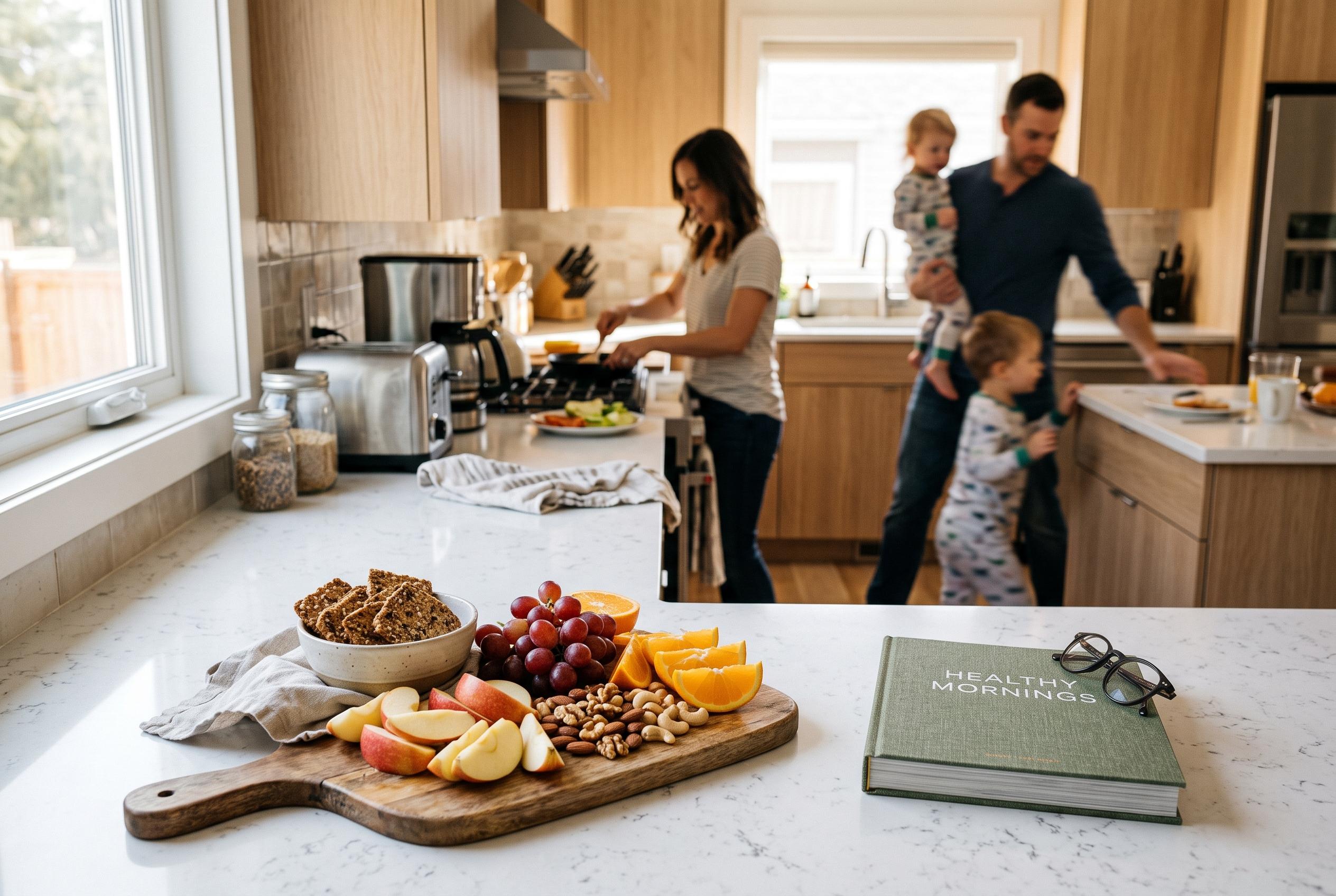

Paediatric nutrition specialists suggest simple adjustments in the home can shift children’s snack choices from heavily processed foods to nutritious options, supporting better eating habits amidst busy schedules.
Snack time can be useful, but it does not have to mean packaged food eaten in a rush. Paediatric nutrition experts say the best approach is to treat snacks as a chance to add nourishment, not just fill a gap between meals. Dr Lauren Fiechtner, a paediatrician at Mass General Brigham for Children, said families are often juggling busy schedules, but that the bigger issue is what children are reaching for when they are hungry.
Fiechtner recommends three meals and two snacks a day for children, and says the goal is to choose foods that offer fibre, protein and vitamins rather than heavily processed options. That advice aligns with guidance from the Cleveland Clinic, Johns Hopkins Medicine and the American Academy of Pediatrics, which all encourage parents to build snacks around whole foods such as fruit, vegetables, whole grains, dairy and protein. HealthyChildren.org also advises using snack time to increase fruit and vegetable intake, while the NHS suggests making healthier choices easy to see and easy to grab.
The problem, according to a federally funded study cited in the report, is that many American children are still snacking on ultra-processed foods high in added sugar. Among children aged 2 to 19, the most common snack items were candy, chips and cookies or brownies, while nuts and seeds, vegetables and cheese were much less common. Experts say this pattern matters because snacks can either add useful nutrients or simply add extra calories without much benefit.
Parents who have changed the layout of their kitchens say small adjustments can make a difference. One mother in the report said her children were drawn to what she called “cabinet snacks” until she moved healthier items into more visible places and set a rule that snacks should come from the fridge. Doctors and nutrition groups say planning ahead helps, especially when snack foods are portioned in child-sized amounts and paired across food groups, such as fruit with nut butter or vegetables with dairy. Fiechtner said timing also matters, noting that children are more likely to be genuinely hungry when several hours have passed since their last meal, rather than simply bored or restless.
Disclaimer: This content is for informational purposes only and is not intended to be a substitute for professional medical judgment, advice, diagnosis, or treatment.