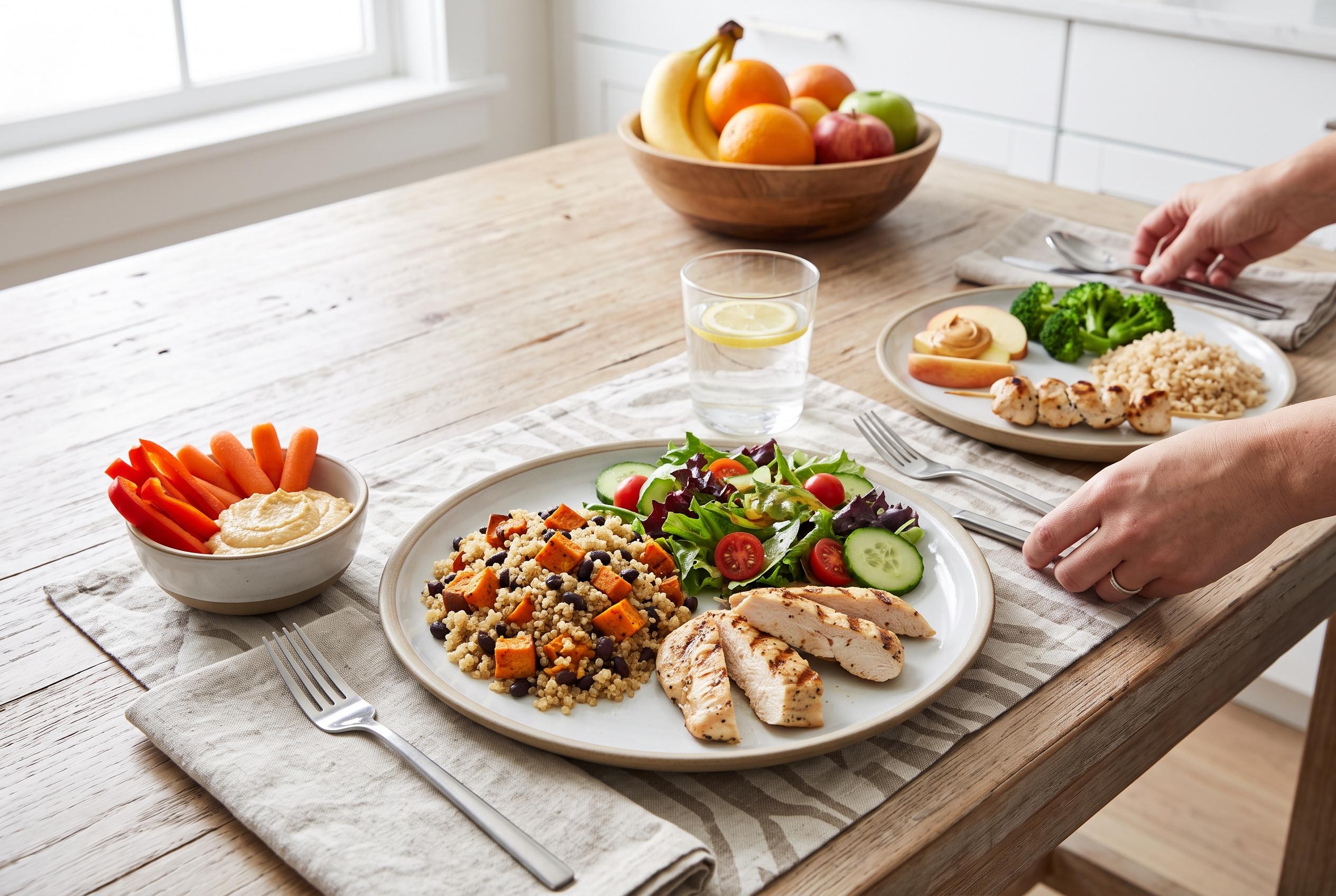

While reusing meals can aid weight loss and simplify routines, nutrition experts warn that maintaining nutrient balance and variety is crucial to prevent deficiencies and support gut health.
Eating the same meals every day can be a practical habit for people who want to save time, cut decision fatigue or keep an eye on calories, but nutrition experts say the value of the approach depends on what is on the plate. If those repeated meals are balanced and nutrient-dense, the routine can be perfectly workable. If they rely heavily on processed foods, salt, sugar or saturated fat, the health trade-off can quickly turn negative.
Dietitians generally agree that balance matters more than novelty. Julia Zumpano of the Cleveland Clinic says meals should include protein, carbohydrates and healthy fats, while Marion Nestle, professor emerita of nutrition, food studies and public health at New York University, has said she can think of far worse habits than eating the same healthy meal again and again. Donald Hensrud, associate professor of nutrition and preventive medicine at the Mayo Clinic College of Medicine, has pointed out that a breakfast of yoghurt or oats with fresh fruit is a better everyday choice than bacon, eggs and fried potatoes, and that grilled chicken or fish with vegetables and brown rice is a stronger dinner option than a burger and chips.
There are reasons the pattern appeals to many people. Some genuinely like routine and prefer to eat foods they already enjoy. Others use it as a weight-loss strategy, while some simply want to avoid the daily burden of planning, shopping and cooking different dishes. A Drexel University study found that adults who ate the same meals every day lost more weight over 12 weeks than those who followed a more varied diet, suggesting that repetition can help some people stick to their goals.
Even so, experts caution against making every meal identical. Too little variety can raise the risk of missing important vitamins and minerals, and a very narrow diet may also limit the diversity of the gut microbiome, the community of microbes in the digestive tract that is often described as the body’s “second brain”. A 2022 study found that breakfast is the meal people are most likely to repeat, partly because it is usually functional rather than social and often has to fit around work or school. Later meals tend to invite more variety, and more social connection, as the day goes on.
The simplest compromise is to keep the structure of a favourite meal but rotate the ingredients. Hensrud suggests changing the fruit in yoghurt or oats from one day to the next, or adding nuts or oats for extra texture and nutrition. Zumpano says the same approach works for sandwiches: keep the format, but switch between peanut butter and jam, grilled cheese or turkey. The key, she says, is not to chase variety at the expense of health. A plain, nourishing meal repeated often is still better than an exciting one built around poor-quality ingredients.
Disclaimer: This content is for informational purposes only and is not intended to be a substitute for professional medical judgment, advice, diagnosis, or treatment.