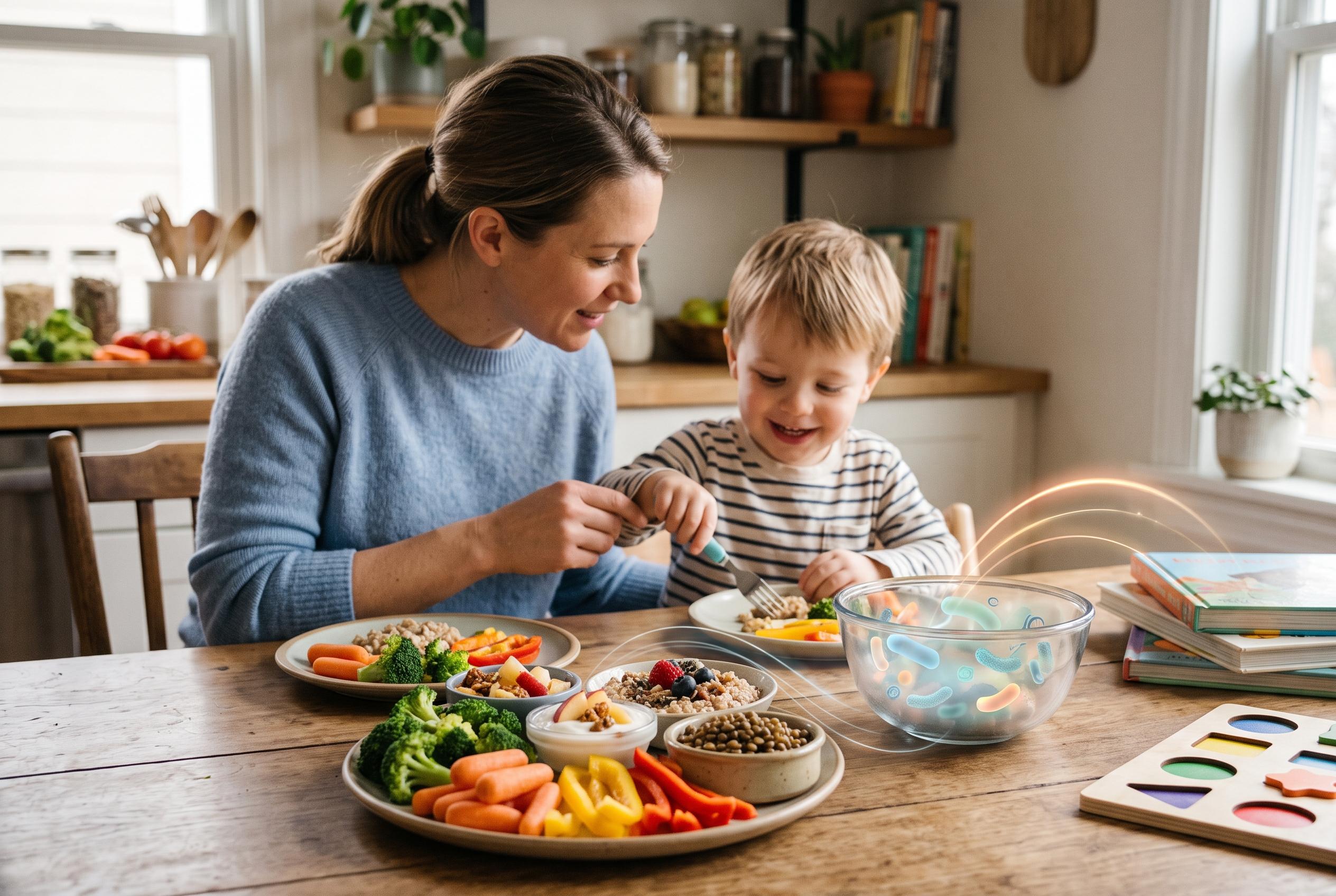

Emerging research underscores the vital role of children’s diets in shaping their gut microbiota during early years, influencing immune development, brain function, and lifelong health outcomes.
When people think about children’s diets, they often focus on the obvious: growth, vegetables and limiting biscuits and sweets. Yet, as El Comercio notes, what children eat also helps shape the gut microbiota, the vast community of microorganisms in the intestines that begins forming at birth and continues to mature in the early years of life. Research suggests that this period is unusually important because the microbiome remains highly changeable for at least the first three years.
That matters because the gut does far more than digest food. Studies and reviews in PubMed and on NCBI have linked a diverse microbiota in childhood with the proper training of the immune system, better nutrient absorption and broader protective functions across the body. A review in the journal Children also notes that early diet can have a disproportionate effect on later microbiome composition and, by extension, long-term health outcomes.
The microbiota also appears to play a role in the gut-brain axis, the two-way communication channel between the digestive system and the brain. El Comercio reports that certain bacteria produce compounds involved in that signalling, which may affect learning, memory and mood. That is especially relevant in childhood, when the brain is developing rapidly and needs a steady supply of nutrients to support concentration, activity and emotional balance.
Evidence also points to the composition of a child’s diet as a key factor. A study of healthy Australian children aged 1 to 2 found measurable shifts in gut microbiota linked to eating patterns, with processed and unprocessed foods affecting different bacterial lineages. Another report, based on research published in mSphere, found that after about 9 months, the move to family foods becomes a major driver of microbiota development.
The practical message is straightforward: variety matters. Fruits, vegetables, legumes, whole grains, quality protein and healthy fats help provide stable energy while feeding beneficial bacteria, particularly through fibre. El Comercio says the best approach does not require exotic ingredients or restrictive plans, but rather a wide range of real foods, family meals, no screens at the table and repeated, low-pressure exposure to new tastes. The earlier those habits begin, the more likely they are to support health well beyond childhood.
Disclaimer: This content is for informational purposes only and is not intended to be a substitute for professional medical judgment, advice, diagnosis, or treatment.