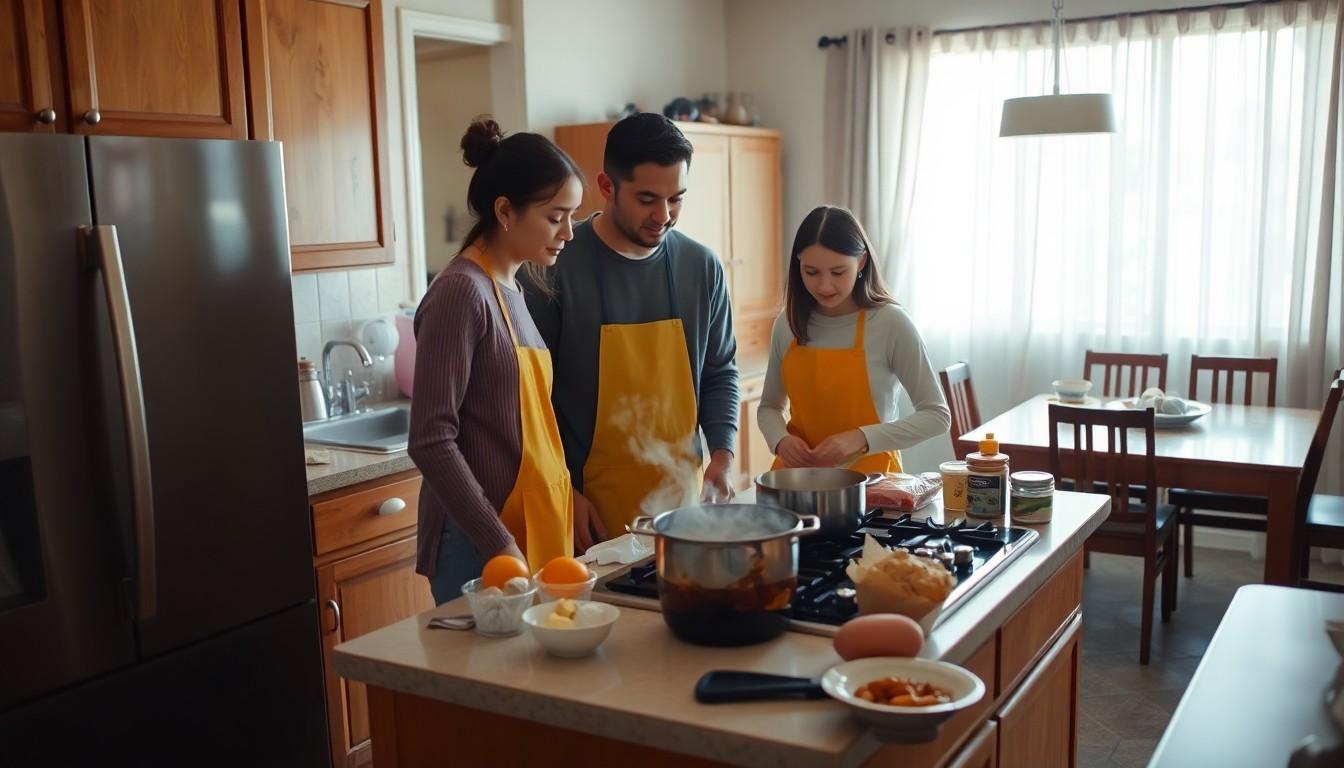

As the winter school holidays continue, families are turning to simple kitchen-based activities with children, promoting fun, safety, and valuable life skills amidst the screen-free break.
With the winter school holidays underway, many families are looking for easy indoor activities that keep children occupied and give adults a break from screens. One answer, according to Clare Dix and Stella Boyd-Ford writing for The Conversation, is to bring children into the kitchen. Cooking can be relaxed, inexpensive and surprisingly engaging, especially when the recipe is chosen to suit the family rather than the other way around.
The appeal goes beyond filling an afternoon. Guidance from HealthyChildren and WebMD suggests that cooking with children can help build healthier food habits, strengthen family routines and give youngsters more confidence. Shared meals and shared preparation can also make unfamiliar foods feel less intimidating, while the practical side of cooking helps children develop coordination, concentration and a sense of responsibility.
The best dishes are usually the ones with few ingredients, flexible methods and modest costs. Soups, porridge, curries and fritters are all useful starting points, because they can be adapted to what is already in the cupboard. Other family favourites include homemade pizza, tacos, pasta bake, muffins, apple crumble and beans on toast. The point, as the article notes, is not perfection but participation.
Age matters, but children can help at almost any stage. Younger children can wash fruit and vegetables, mix dough and use cookie cutters, while pre-schoolers can stir, mash and help with simple cutting under close supervision. Primary school-age children can start flouring, pouring and peeling, and older children can measure, weigh and use equipment such as graters or hand mixers. The Children’s Hospital guidance and the US Child and Adult Care Food Programme both stress the same principle: the task should match the child, not the other way round.
Safety still comes first. Adults should handle heat and sharp tools, while children learn to work carefully with age-appropriate knives and supervised techniques. The University of Illinois Extension also highlights another essential lesson: food hygiene. Handwashing, clean surfaces, separate boards for raw meat and keeping raw and cooked food apart are basic habits that children can learn early, turning a simple holiday activity into a useful life skill.
Disclaimer: This content is for informational purposes only and is not intended to be a substitute for professional medical judgment, advice, diagnosis, or treatment.