
The widespread reliance on processed foods in children’s diets raises significant health concerns, with research linking high consumption to obesity, metabolic issues, and chronic disease risks, prompting calls for healthier family eating habits.
Processed foods and ready-made meals have become a daily fixture in many children’s diets, driven by their wide availability, aggressive marketing and flavours engineered to appeal to young tastes. Their high levels of sugar, salt and fat make them more tempting than whole foods, while their convenience has helped push fresher, more nutritious options to the margins of the family table.
The health concerns are substantial. These products are typically high in calories but low in nutritional value, and eating them too often can displace the vitamins, minerals and fibre children need for healthy growth. Nutrition specialists say that regular consumption is linked to insulin resistance, metabolic problems, tooth decay and digestive complaints, especially when processed snacks and fast food replace balanced home-cooked meals.
Research has also strengthened the case that the risks go beyond short-term diet quality. A 17-year study of more than 9,000 British children born in the 1990s found that higher intake of ultra-processed food was associated with greater weight gain and a higher likelihood of obesity in adulthood, according to CNN. Other medical reviews have linked these foods with high blood pressure, abnormal cholesterol levels, chronic inflammation, type 2 diabetes and wider cardiovascular disease risks.
In the United States, a recent review published on PubMed Central said ultra-processed food now accounts for about 67% of children’s energy intake, underlining how deeply such products have entered daily eating habits. Health experts say the pattern is sustained not just by taste and convenience but also by social and economic pressures, making family routines, school choices and food marketing all part of the problem.
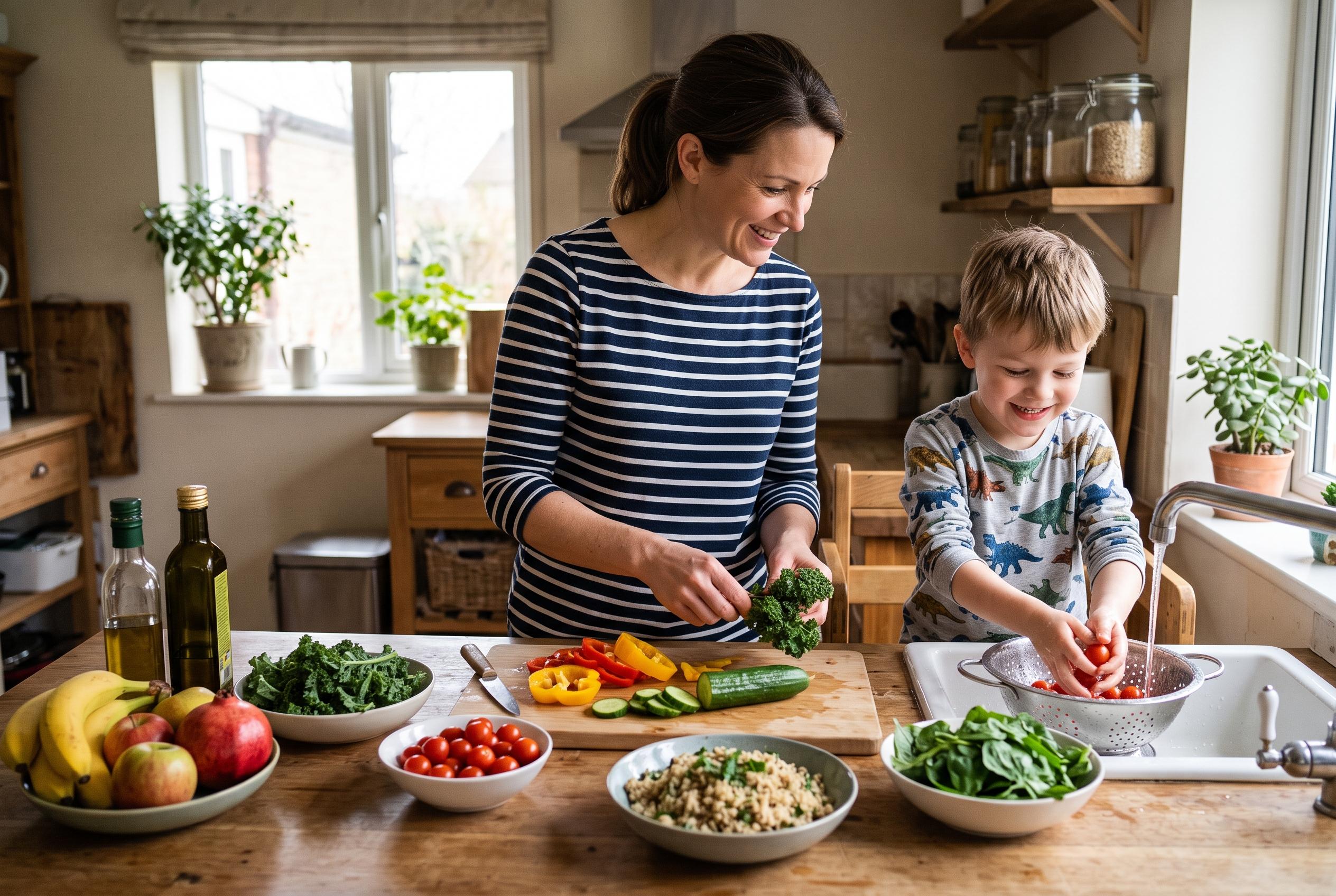
Public-health advocates say the response must begin at home. Families are being urged to make healthier eating part of everyday life by preparing more meals from scratch, offering fruit and vegetables regularly and cutting back on sweetened drinks and packaged snacks. The message is simple: the earlier children build healthy habits, the harder it is for processed food to become the default later on.
Disclaimer: This content is for informational purposes only and is not intended to be a substitute for professional medical judgment, advice, diagnosis, or treatment.