

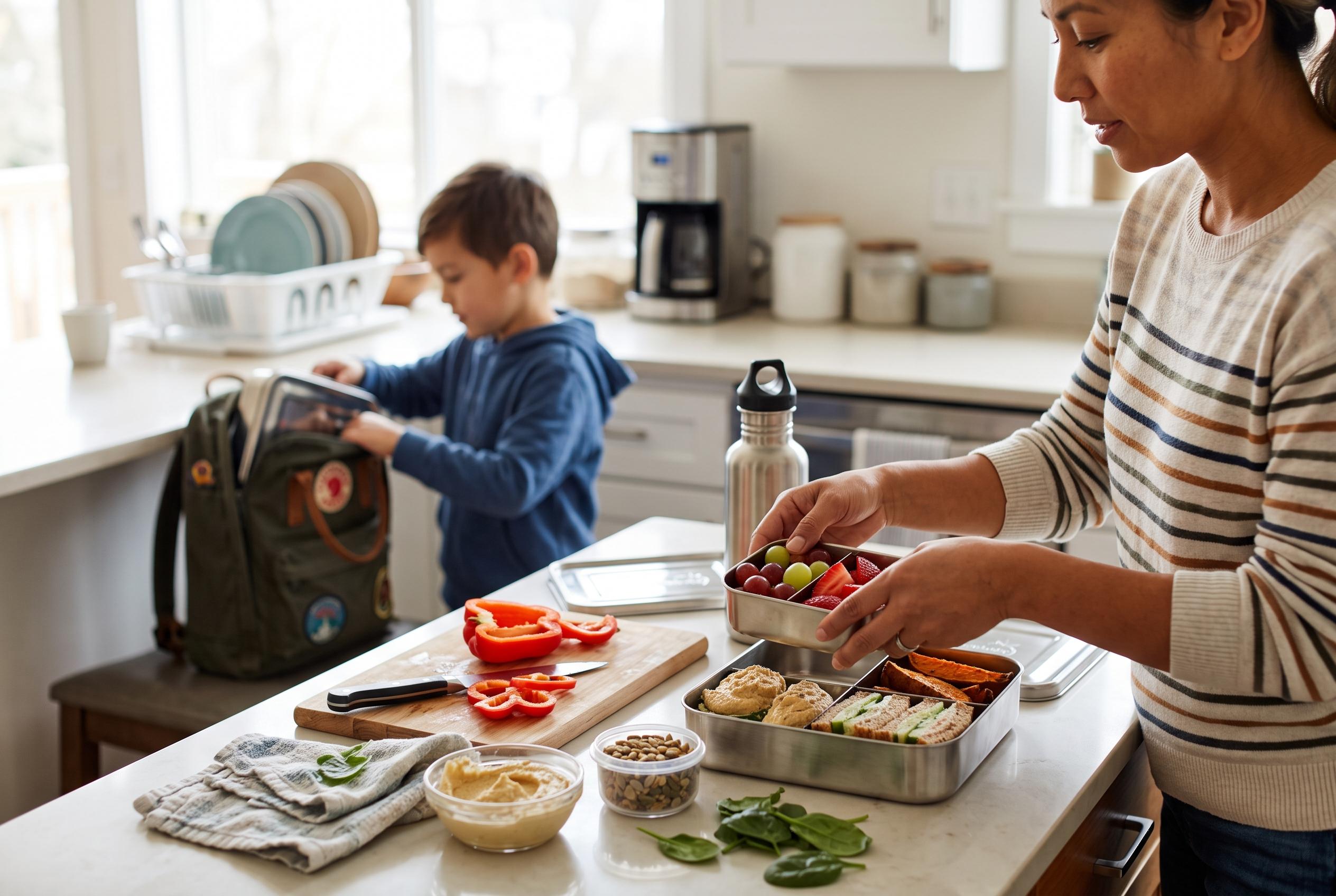

Creating quick, varied, and practical dairy-free school lunches is about establishing a reliable system that adapts to busy mornings, school policies, and evolving dietary needs, rather than seeking perfection in every meal.
Packing a dairy-free school lunch is less about finding a single perfect recipe than building a repeatable system that works on rushed mornings and survives until midday. The approach set out by Embracing Imperfect is simple: start with a protein, add a grain or other filling base, include fruit or vegetables, and finish with something fun. That framework matters because dairy-free eating can mean very different things depending on the child. A child with a cow’s milk allergy needs strict avoidance, while someone with lactose intolerance may tolerate some dairy ingredients in limited amounts. In both cases, careful label-reading remains essential, because milk proteins such as casein and whey can turn up in breads, crackers, tortillas and condiments.
The most useful lunches are usually the ones that can be assembled quickly and varied without much thought. Embracing Imperfect’s rotation includes turkey and hummus pinwheels, sunbutter and fruit sandwiches, chicken and avocado wraps, pasta salad cups and snack boxes built around tuna or white beans. That mix fits neatly with other dairy-free lunch planning guides, including LactoseFreeCooking’s three-day rotation, which uses turkey roll-ups, pasta salad and a chicken and rice bowl to reduce decision fatigue. SafeSnacker also recommends a similar formula: one main protein, one crunchy carrier, one fruit, one vegetable and an optional dip.
Texture is doing a lot of the work in these boxes. Pinwheels and wraps suit children who prefer food they can pick up with their hands, while snack boards help children who dislike mixed foods by keeping everything separate and visible. The lunch ideas collected by Lunchbox.kids reinforce that point by grouping recipes according to benefits such as protein, complex carbohydrates and healthy fats, while also highlighting freezer-friendly, nut-free, gluten-free and vegan options. That kind of filtering can make school lunches feel less like a daily scramble and more like a set of routines that can be repeated.
Several of the strongest options are also the easiest to adapt to other school rules. Embracing Imperfect notes that hummus may need to be swapped out in sesame-restricted settings, while sunbutter can solve the nut-free classroom problem as long as the bread is also dairy-free. SafeSnacker makes a similar point about adjusting for school-specific nut-free or seed-free policies. The Kitchn’s dairy-free snack round-up adds more texture-driven ideas such as hummus toast, roasted chickpeas and edamame, which can be folded into lunchboxes when a child needs more crunch or protein.
A few of the better make-ahead choices also help on nights when there is no time to cook in the morning. Oat-based bars, pasta salad cups and mini savoury muffins can all be prepared in batches, chilled or frozen, and packed later in the week. UpgradedHealth’s list of high-protein dairy-free lunches points in the same direction, suggesting easy options built around sunflower butter, banana, chicken, beans, tuna and hummus. That emphasis on protein is important, especially for children who come home hungry or who need something more substantial than fruit and crackers.
The practical part of dairy-free lunch packing is really about preventing avoidable failures. Wet fillings can make wraps soggy, avocado browns quickly once cut, and pasta or rice dishes need proper chilling if they are not going to be reheated. The best lunches therefore tend to separate dry and wet components until the last possible moment. If a school fridge is shared, the lunch should also be clearly labelled, and if the school does not refrigerate food, the coldest and most shelf-stable items should be prioritised. In that sense, the lunchbox becomes less a single meal than a small system for keeping food safe, edible and appealing.
For families just getting started, the easiest route is to test two or three dependable combinations rather than overhaul the whole week at once. A sunbutter sandwich, a pinwheel wrap and a snack box can cover most school days without special equipment or elaborate prep. Once those are working, parents can add pasta salads, egg-based muffins or rice bowls and adjust for allergies, classroom rules and personal preference. The result is not perfection, but a lunch routine that is realistic enough to repeat.
Disclaimer: This content is for informational purposes only and is not intended to be a substitute for professional medical judgment, advice, diagnosis, or treatment.



